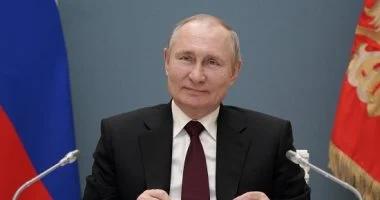
Russia And Ukraine Declare Rival Ceasefires Ahead Of Moscow Victory Day Parade
Key Takeaways
- Russia declares unilateral ceasefire May 8-9 for Victory Day celebrations.
- Ukraine announces its own ceasefire May 5-6, separate from Moscow's.
- Violations could trigger retaliation; both sides pursue competing observances around Moscow's parade.
Rival ceasefire windows
Russia and Ukraine declared competing unilateral ceasefires ahead of Moscow’s Victory Day commemorations, setting different start and end points for when hostilities should pause.
“Russia and Ukraine have declared competing unilateral ceasefires in their four-year war”
The Russian Ministry of Defence said in a post on the state-backed messaging app MAX that “a ceasefire has been declared from May 8–9, 2026,” and it added, “We hope that the Ukrainian side will follow suit.”

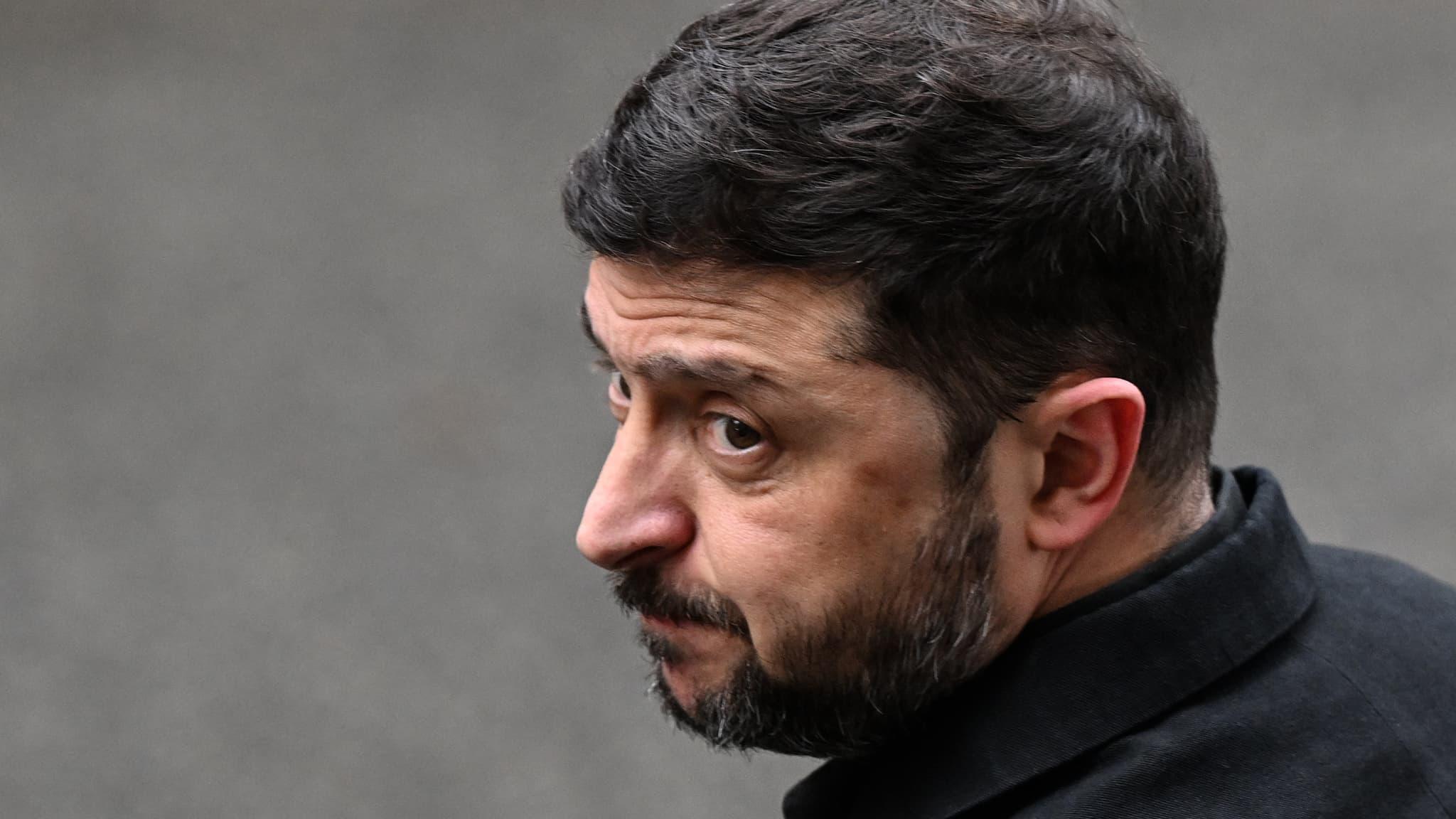
Ukraine’s President Volodymyr Zelenskyy said he had received “no official notice from Russia,” and he announced a separate ceasefire beginning at “00:00 (2100 GMT) on the night of May 5-6.”
Zelenskyy framed the timing as a practical step, writing, “In the time left until that moment, it is realistic to ensure that silence takes effect,” and he said Ukraine would “act reciprocally starting from that moment.”
The AP described Russia’s truce as running “Friday and Saturday” to mark the “81st anniversary of the defeat of Nazi Germany in World War II,” while Kyiv said it would observe a truce beginning at “12 a.m. on Wednesday” and “respond in kind.”
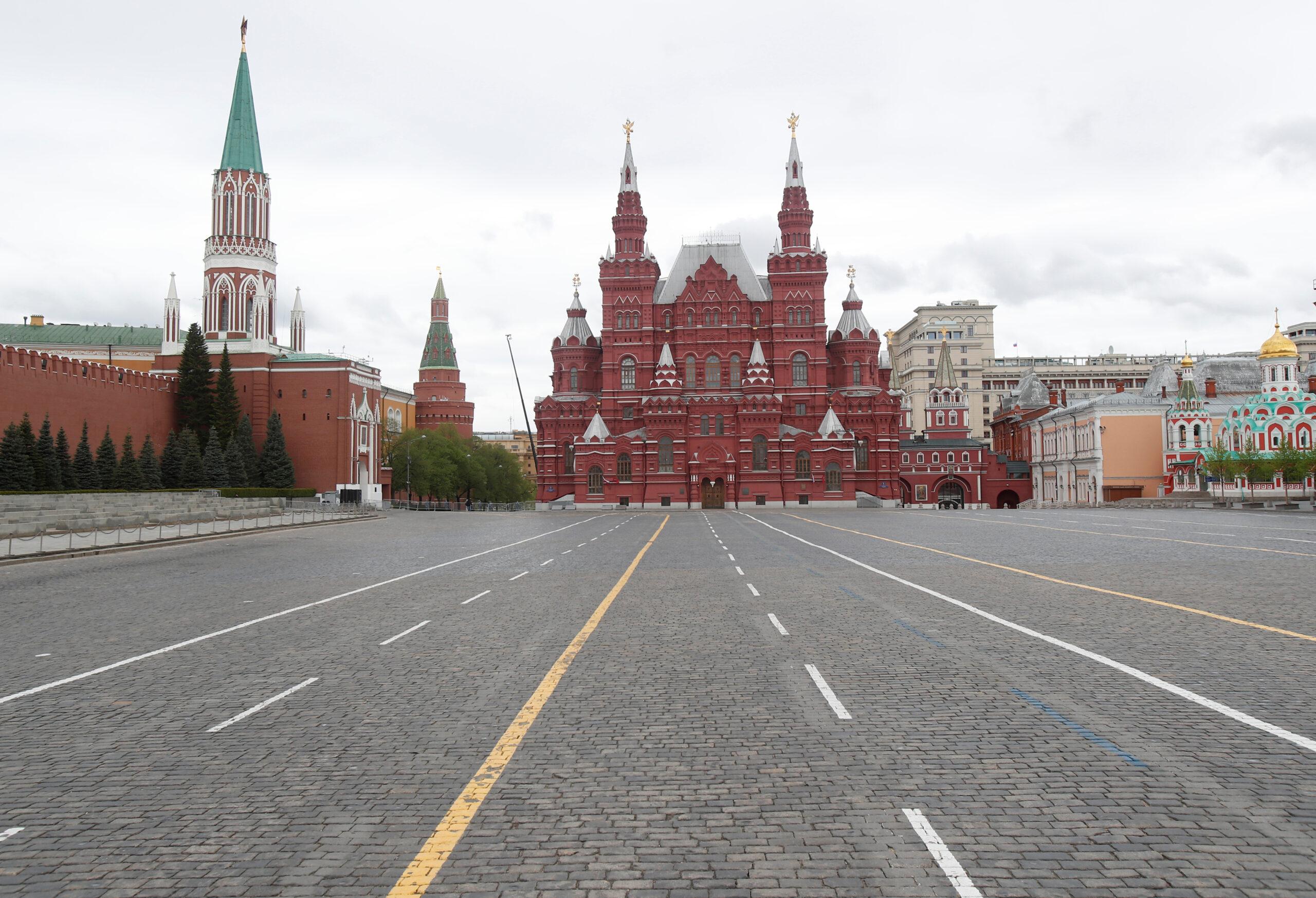
Multiple outlets also tied the ceasefire declarations to the security posture around Moscow’s Red Square parade, with the AP noting the parade would be “pared down due to what officials say are concerns over possible Ukrainian attacks.”
Threats and warnings
Alongside the ceasefire windows, Russia issued warnings that it would respond if Kyiv tried to disrupt Victory Day celebrations in Moscow.
The Russian Ministry of Defence said, “If the Kyiv regime attempts to implement its criminal plans to disrupt the celebration of the 81st anniversary of Victory in the Great Patriotic War, the Russian Armed Forces will launch a retaliatory, massive missile strike on the centre of Kyiv,” and it added, “We warn the civilian population of Kyiv and employees of foreign diplomatic missions of the need to leave the city promptly.”

The AP echoed the same threat, saying Russia warned that “if Ukraine attempts to disrupt Saturday’s celebrations, Russia will carry out a “massive missile strike on the center of Kyiv.””
In Kyiv’s response, Zelenskyy rejected the premise that Russia’s proposed pause was meant to protect civilians rather than stage propaganda.
In a statement responding to the attacks, Zelenskyy accused Russia of “utter cynicism” and said, “It is utter cynicism to ask for a ceasefire in order to hold propaganda celebrations while carrying out such missile and drone strikes every single day leading up to it.”
He also argued that Russia could stop the war immediately, saying, “Russia could cease fire at any moment, and this would stop the war and our responses,” and he added in another formulation, “Peace is needed, and real steps are needed to achieve it. Ukraine will act in kind.”
Parade scaled down
The ceasefire declarations unfolded as Russia prepared for a Victory Day parade on Moscow’s Red Square that officials said would be reduced in scope due to concerns about possible Ukrainian attacks.
“Russia declares a truce in Ukraine to mark Victory Day”
The AP said Russia’s most important secular holiday would be marked with a traditional military parade on Red Square “pared down due to what officials say are concerns over possible Ukrainian attacks,” and it added that the parade would be “without tanks, missiles and other military equipment for the first time in nearly two decades.”
The AP also said “Some of the smaller parades that are held elsewhere across the country have also been pared down or even canceled for security reasons.”
Zelenskyy interpreted the pared-down preparations as evidence of Russian weakness, telling European leaders at a meeting of the European Political Community (EPC) in Yerevan that Russia “fear[s] drones may buzz over Red Square” on May 9.
“This is telling. It shows they are not strong now, so we must keep up the pressure through sanctions on them,” Zelenskyy said, according to the AP.
The Guardian similarly reported that “This year, the parade in the Russian capital is scheduled to take place without tanks, missiles and other military equipment for the first time in nearly two decades,” and it quoted Zelenskyy saying the Russian authorities “fear drones may buzz over Red Square” on 9 May.
NBC News added that authorities “cut off mobile internet services to many customers in Moscow on Tuesday ahead of the parade,” reinforcing the security posture around the commemorations.
Attacks continue
While the ceasefires were announced, the sources also describe continued strikes and drone activity around the same period, underscoring the dispute over whether any pause could hold.
The New Indian Express reported that a Russian drone and missile attack on the central Poltava region killed “three workers at an energy company and two rescuers responding to the hit,” and it said “One person was also killed in the northeastern Kharkiv region” as Russia fired “11 ballistic missiles and 164 drones across the country.”
The Guardian’s briefing described a broader pattern of violence alongside the ceasefire talk, including a Russian missile attack that “killed seven people and wounded more than 30 in the town of Merefa, in Ukraine’s north-eastern Kharkiv region,” and it said regional prosecutors indicated Russian forces “appeared to have used an Iskander-type ballistic missile.”
The Guardian also reported that in Russia, a governor of the Belgorod region, Vyacheslav Gladkov, said “a Ukrainian drone killed a civilian resident in a border area and wounded seven others, including a 10-year-old boy.”
AP reported that Russia said its forces destroyed “289 Ukrainian drones overnight over 18 Russian regions,” and it added that drones were intercepted “over the annexed Ukrainian peninsula of Crimea and over the Azov Sea.”
NBC News said Zelenskyy accused Russia of launching missile and drone attacks and stated, “five people were killed and dozens more injured in the overnight Russian attacks that mostly targeted energy infrastructure facilities in Ukraine.”
Zelenskyy’s own critique tied the attacks directly to the ceasefire proposal, saying Russia was asking for a pause “while carrying out such missile and drone strikes every single day leading up to it,” and he argued, “Russia could cease fire at any moment.”
What comes next
The sources portray the ceasefire episode as a test of whether either side will follow through, with multiple outlets emphasizing that Zelenskyy and Russia framed their positions around reciprocity, official notice, and the ability to hold or disrupt commemorations.
Zelenskyy said he would observe a ceasefire starting at “00:00 (2100 GMT) on the night of May 5-6,” and he wrote, “In the time left until that moment, it is realistic to ensure that silence takes effect,” while also stating, “We will act reciprocally starting from that moment.”

The Russian Ministry of Defence said it hoped “the Ukrainian side will follow suit,” and it warned that if Kyiv disrupted the Victory Day celebration, Russian forces would carry out a “retaliatory, massive missile strike on the centre of Kyiv.”
The Guardian described Zelenskyy’s offer as “potentially open-ended,” saying he “has offered a potentially open-ended ceasefire beginning on Wednesday,” while the Russian defence ministry demanded hostilities cease for “Friday and Saturday.”
AP reported that Zelenskyy said Kyiv had not received “any official requests for a truce,” and it quoted him urging the Kremlin “to take real steps to end their war,” especially since Russia’s defence ministry believed it “cannot hold a parade in Moscow without Ukraine’s goodwill.”
Euronews added that Moscow insisted the proposal came from the Kremlin and that Russian officials continued to refuse contact with Kyiv, while it said the Kremlin spokesman Dmitrij Peskov said Trump “ha sostenuto attivamente l'iniziativa.”
The Guardian’s briefing moved beyond the ceasefire to other consequences of the war, including a forecast from TsMAKP that “This year, a reduction in exports from Russia is expected compared to 2025,” and it reported that “Weather monitoring equipment at the illegally Russian-occupied Zaporizhzhia nuclear power plant” was damaged in a drone strike.
More on Ukraine War

Russian Drone And Missile Strikes Kill At Least Five, Wound 39 In Ukraine Power Grid
16 sources compared
Ukraine Strikes Tuapse Oil Refinery, Triggering Carcinogenic Blaze and Black Rain in Russia
11 sources compared

Ukrainian Drone Strikes Moscow Residential High-Rise Near Kremlin Ahead of May 9 Parade
24 sources compared
Russian Night Attack Kills Mother and Two Daughters in Pohreby, Ukraine
14 sources compared