Russia Envoy Mikhail Ulyanov Says US Threats and Sanctions Failed Against Iran
Key Takeaways
- Ulyanov: US threats and sanctions failed against Iran; abandonment urged.
- Trump retreats from bomb threats, signaling renewed negotiations with Iran.
- If negotiations fail, risk of war increases; Iran prepares defense.
Threats, sanctions, and talks
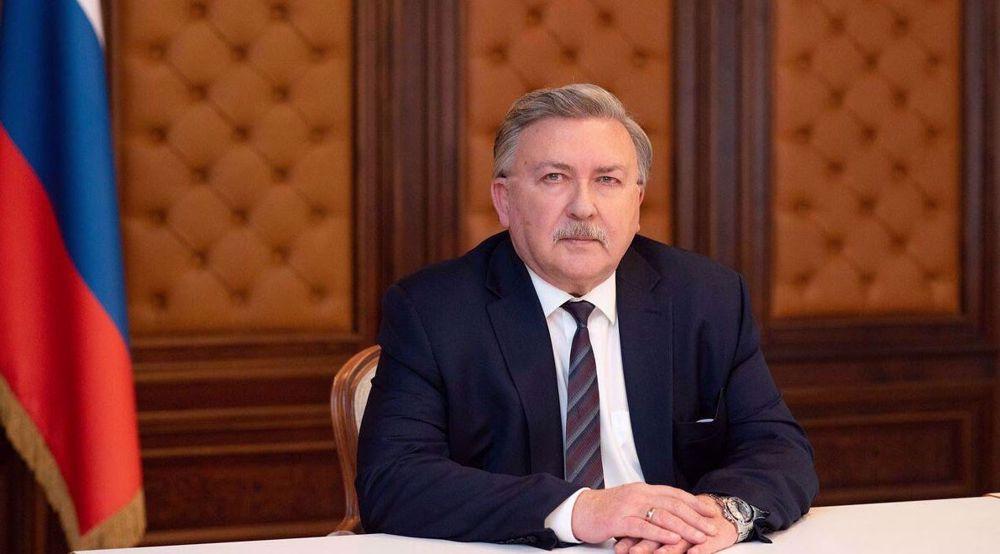
Russia’s Permanent Representative to the international organizations in Vienna, Mikhail Ulyanov, said Washington’s “policy of negotiating from a position of strength through military threats and illegal sanctions has failed” against the Islamic Republic of Iran and “must be abandoned.”
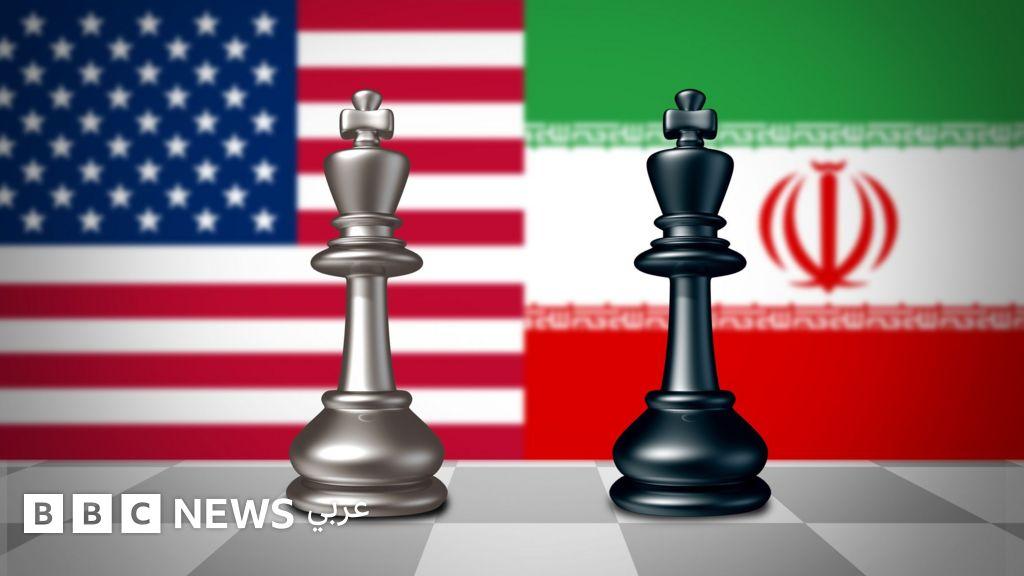
“Four Scenarios of What Might Happen in the US-Iran Conflict - Author: Saeed Jafari - Role: American political analyst - Reading time: 7 minutes It is believed that the United States is discussing a second round of ceasefire talks with Iran, as a Pakistani delegation has arrived in the Iranian capital, Tehran”
In a statement on Sunday, Ulyanov argued that the United States “has no choice but to drop the elements of blackmail, ultimatums and artificial deadlines” if it wants engagement with Iran.
Ulyanov said, “The US is accustomed to conduct negotiations from the position of strength, threatening to use military force or tighten sanctions. It is obvious that this scheme doesn’t work with Iran,” and added, “The best way ahead for the US under the current circumstances is to drop all those elements of its position which look like blackmailing, ultimatums and deadlines.”
The PressTV account ties the Russian remarks to Tehran’s stated position that Iran will not accept negotiations “conducted under threat” or “bow to artificial timelines or sanctions designed to extract concessions.”
PressTV also frames the dispute around the Trump administration’s “maximum pressure” campaign, including “illegal withdrawal from the 2015 JCPOA” and “the imposition of crippling unilateral sanctions,” saying those steps “has only served to strengthen Iran’s resolve.”
The article further asserts that Iran’s position is that any future dialogue must begin with “the removal of the American naval blockade of its ports” and “the complete and unconditional removal of all illegal US sanctions.”
It also says Iran is ready for “constructive engagement, but only on the basis of equality and without any form of pressure or deadline dictated by the United States.”
Trump’s shift to diplomacy
A separate report from وكالة وطن للأنباء describes U.S. President Donald Trump as backtracking from earlier military threats toward Iran and seeking to “compensate for his military failure with negotiations.”
The Watan al-Anba account says Trump revealed “new developments in negotiations with Iran,” stating the United States had held “strong talks” with Iran and that there were “major and significant points of agreement.”
It adds that Trump said his senior advisers Steve Witkoff and Jared Kushner participated in the talks, with “direct contact with senior Iranian leaders,” and that both sides “want to seal an agreement.”
The report claims Trump proposed a diplomatic track after early American and Israeli assessments predicting the Iranian regime’s collapse “within days of the start of military operations failed.”
It also says Trump previously studied “striking Iran’s largest power plant,” but clarified that “the diplomatic track has become the priority,” and that reaching an agreement would be “long-term peace for Israel.”
The Watan al-Anba article emphasizes economic aims, saying Trump stressed his desire “to obtain as much oil as possible, as well as the stockpile of enriched uranium,” and frames this as an effort “to lower global energy prices and buy time to carry out his military plans in the region.”
It further claims Trump linked the Strait of Hormuz to the success of diplomacy, stating, “opening the Strait depends on the success of the diplomatic path,” and says the report’s account of Trump includes that Iran wants to reach an agreement “at any price.”
The report concludes by saying Trump acknowledged uncertainty, expressing his inability to guarantee a final agreement with the line, “I usually strike deals, and I think that will happen.”
Ceasefire, blockade, and scenarios
The BBC frames the conflict’s immediate trajectory through “Four possible scenarios” for “What will happen in the US-Iran conflict?” and describes a ceasefire process that it says is still fragile.
The BBC says it is “believed that the United States is discussing a second round of ceasefire talks with Iran” and that “a Pakistani delegation has arrived in the Iranian capital, Tehran.”
It describes a ceasefire that “had lasted for two weeks” and says it “remained in effect after more than twenty hours of US-Iran talks hosted by Pakistan, which ended on Sunday without any progress,” while President Donald Trump announced what the BBC calls “his new strategy toward Iran.”
In the BBC’s account, Trump proposed “to impose a blockade on the Strait of Hormuz,” and the analysis asks whether the parties are moving toward “a controlled escalation” or “an inevitable slide into a broader war.”
The BBC’s “Scenario One” section says that on “April 8, Iran and the United States agreed to a two-week ceasefire,” and quotes Behnam Ben Talblo saying, “Chances of reaching an agreement were virtually nil from the start, once the conflict began.”
Ben Talblo is also quoted saying, “This is a set of principles, positions, and policies that the United States and the Islamic Republic have disagreed on for years,” and that “in the short term the war has not only failed to narrow these differences but has intensified them.”
The BBC also quotes Behnam Reza Azizi saying, “Israel might resort to operations such as assassinations of Iranian individuals, including those involved in the negotiations,” and adds that “Trump's stated policy of blockade of the Strait of Hormuz increases the risk of confrontation.”
The BBC’s narrative emphasizes that differing interpretations of ceasefire terms and “ceasefire violation” definitions have deepened mistrust and cast doubt on the ceasefire’s resilience.
Nuclear talks and mediation
Tabnak’s international service presents a warning-focused discussion that links the possibility of failed negotiations to a “high” risk of war, while also describing planned nuclear talks and mediation efforts.
The outlet’s headline says, “If Iran–U.S. negotiations fail, the risk of war is high; Iran has prepared itself for defense; the Iran–China–Russia axis is fundamentally mistaken.”
Tabnak’s account includes an interview with Hongda Fan, identified as “the director of the Center for China and the Middle East at Shaoxing University in China,” who says that if negotiations fail, “a U.S. military action against Iran would be difficult to carry out and should be avoided.”
Tabnak also says it has been reported that Iran and the United States are set to “resume nuclear talks on Friday,” and that while it had been announced they would be held in “Istanbul, Turkey,” Iran requested moving them to “Oman,” which Tabnak says was “approved by the United States.”
The report says “Turkish media” reported that the upcoming nuclear talks would bring together “Iranian Foreign Minister Abbas Araghchi and Steve Witkaf, the U.S. representative.”
In the same interview, Tabnak’s journalist asks about U.S. deployments, and Fan responds that “The US deployments in the region are certainly aimed, first and foremost, at Iran,” while also saying “Iran is not the sole target.”
Tabnak’s account further says “Turkey and several regional countries are trying to mediate between Iran and the United States to reduce tensions,” and it describes U.S. force posture as including “an aircraft carrier.”
Fan’s interview also states, “If the United States fails to achieve a breakthrough in the upcoming talks, it is almost certain that the Trump administration will commence a military strike against Iran.”
Stakes and competing narratives
Across the sources, the stakes are framed through competing narratives about whether diplomacy can succeed and what leverage either side holds.
“Four Scenarios of What Might Happen in the US-Iran Conflict - Author: Saeed Jafari - Role: American political analyst - Reading time: 7 minutes It is believed that the United States is discussing a second round of ceasefire talks with Iran, as a Pakistani delegation has arrived in the Iranian capital, Tehran”
PressTV says Iran will never accept negotiations “conducted under threat” and insists that dialogue must start with “the removal of the American naval blockade of its ports” and “the complete and unconditional removal of all illegal US sanctions,” portraying U.S. pressure as counterproductive.
The BBC, meanwhile, describes a ceasefire that ended “on Sunday without any progress” after “more than twenty hours of US-Iran talks hosted by Pakistan,” and it highlights how “differences in interpreting the terms of the ceasefire” and “even the definition of 'ceasefire violation'” have deepened mistrust.
The Watan al-Anba report portrays Trump as seeking “long-term peace for Israel” and aiming to “obtain as much oil as possible” and “the stockpile of enriched uranium,” while also saying he cannot guarantee a final agreement with “I usually strike deals, and I think that will happen.”
Tabnak’s Hongda Fan adds that if negotiations fail, a U.S. military action would be “difficult to carry out and should be avoided,” but also says it is “almost certain” the Trump administration would “commence a military strike against Iran” if there is no breakthrough.
The BBC’s scenario analysis also warns that “Trump's stated policy of blockade of the Strait of Hormuz increases the risk of confrontation,” and it quotes Behnam Reza Azizi on possible Israeli actions including “assassinations of Iranian individuals.”
In parallel, PressTV claims the region’s tensions follow a U.S.-Israeli “war of aggression against Iran” launched on “February 28,” and it says a “Pakistan-brokered temporary ceasefire took effect” on “April 8.”
The Watan al-Anba report adds that Trump’s statements come after “direct military actions revealed a wide gap between American and Israeli estimates and the reality on the ground,” and it says forecasts of regime collapse “failed.”
Taken together, the sources depict an environment where negotiation terms, blockade proposals, and planned nuclear talks in “Oman” are all tied to whether the conflict remains contained or escalates.
More on Iran

Trump Cancels Witkoff and Kushner Trip as Iran-U.S. Peace Talks Stall
12 sources compared

Abbas Araghchi Leaves Islamabad for Moscow to Meet Vladimir Putin After Pakistan Talks
23 sources compared
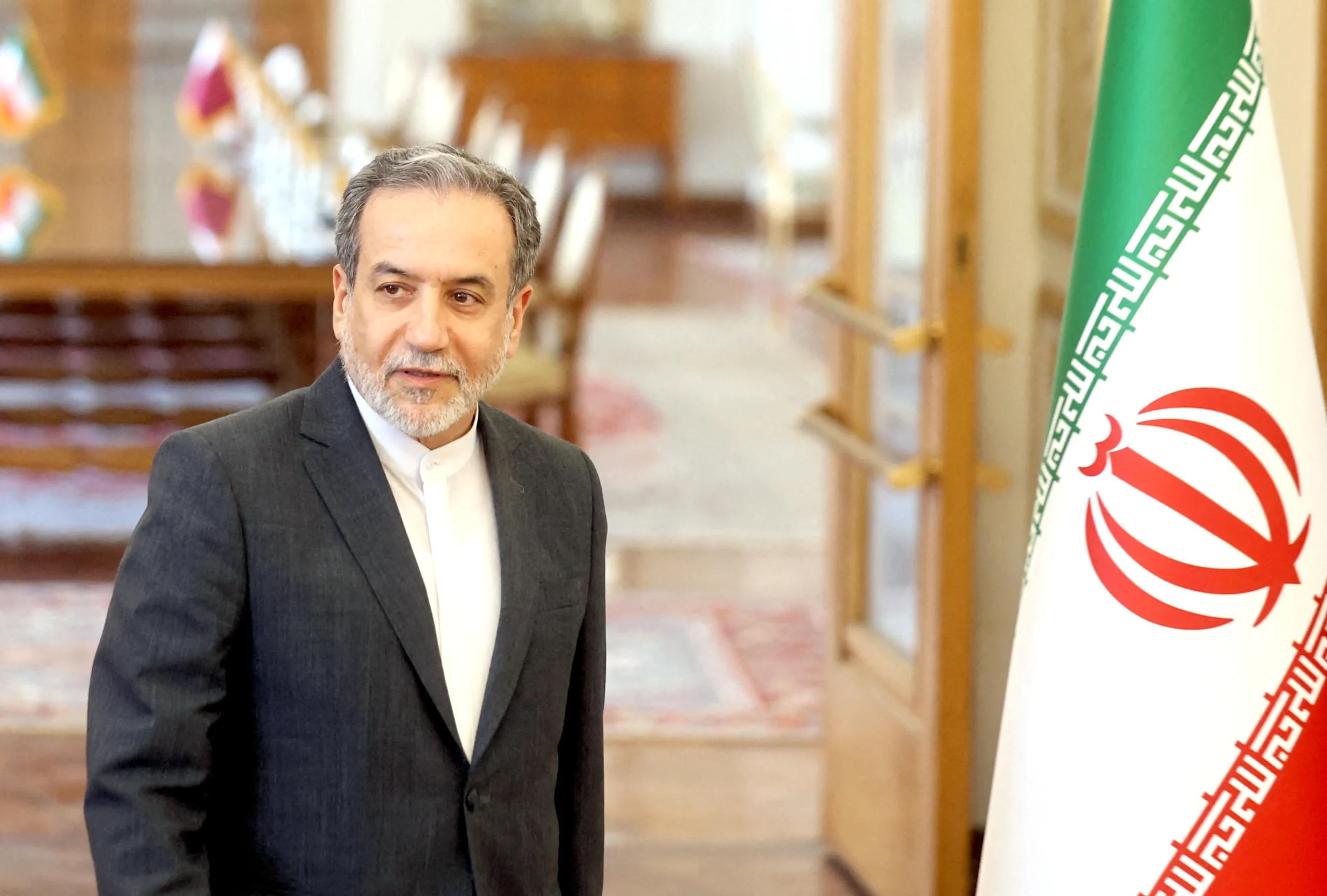
Iran’s Foreign Minister Abbas Araghchi Heads to Moscow to Meet Vladimir Putin
12 sources compared

Iran and U.S. Enter Awkward Limbo After Trump Cancels Iran Peace Talks
18 sources compared