Russia Expands Cooperation With Iran, Sharing Satellite Imagery and Drone Tech to Target U.S. Forces
Key Takeaways
- Russia and Iran are expanding military and intelligence cooperation.
- China is partnering with Russia to aid Iran's military capabilities.
- Iran, backed by Russia and China, seeks to counter U.S. influence in the region.
Military Cooperation Expansion
Russia has significantly expanded its military cooperation with Iran, establishing a robust intelligence-sharing framework.
This alliance enhances Tehran's capabilities to target U.S. forces throughout the Middle East.
Moscow is providing critical satellite imagery and advanced drone warfare technologies to Iranian military forces.
The cooperation has intensified amid escalating tensions in the region.
This partnership extends beyond traditional arms sales to include sophisticated targeting intelligence.
Multiple sources confirm real-time battlefield data sharing between the two nations.
Technology Transfer Details
The intelligence sharing encompasses sophisticated satellite imagery capabilities.
Advanced drone warfare technologies improve Iran's targeting precision against U.S. forces.

Russian intelligence agencies provide detailed geographic intelligence and real-time satellite coverage.
This technological transfer represents a significant escalation in Iran's military capabilities.
The Wall Street Journal reports comprehensive battlefield data is being shared.
This includes locations of American warships and aircraft positions across the Middle East.
Strategic Implications for US Forces
Russian-Iranian cooperation poses significant strategic challenges for U.S. military operations.
“Gift this articleShare to FacebookPrint article Article printing is available to subscribers only Print in a simple, ad-free format Subscribe Comments: SaveZen Reading Zen reading is available to subscribers only Ad-free and in a comfortable reading format Subscribe”
The partnership creates a more dangerous operational environment for American forces.
Iranian military capabilities have improved with Russian satellite intelligence access.
This increases precision and effectiveness of their operations against U.S. interests.
Intelligence sharing enables better coordination of military activities.
The development represents a major shift in regional balance of power.
Regional Context and Geopolitical Shifts
The expanded cooperation occurs amid escalating regional tensions.
Major military operations impacted Iran's leadership structure.
The strategic partnership is solidified by mutual security concerns.
Both nations view cooperation as means to counterbalance American power.
The timing coincides with broader regional realignments.
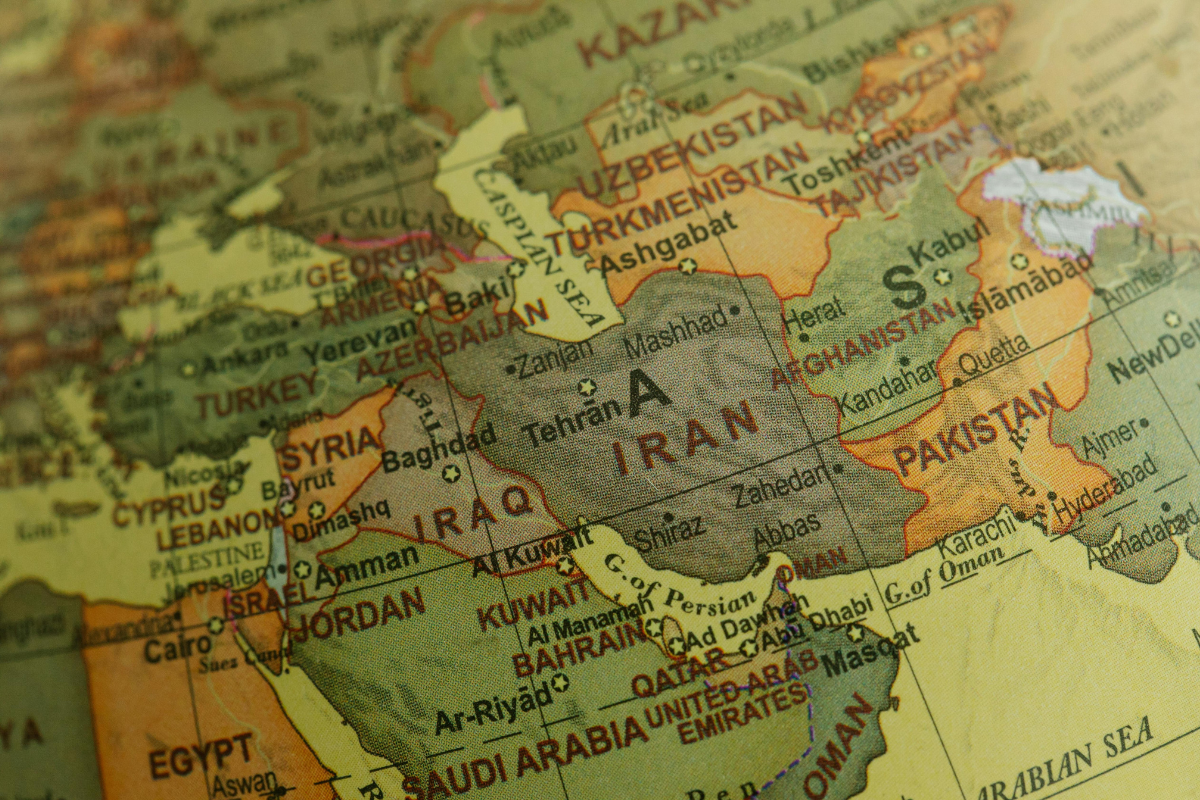
Iran has closed the Strait of Hormuz to Israeli and American vessels.
Iran's Official Confirmation
Iranian officials have publicly confirmed defense cooperation with Russia.
“And they will attack any energy infrastructure in the region, which belongs to an American company or an American company is a shareholder”
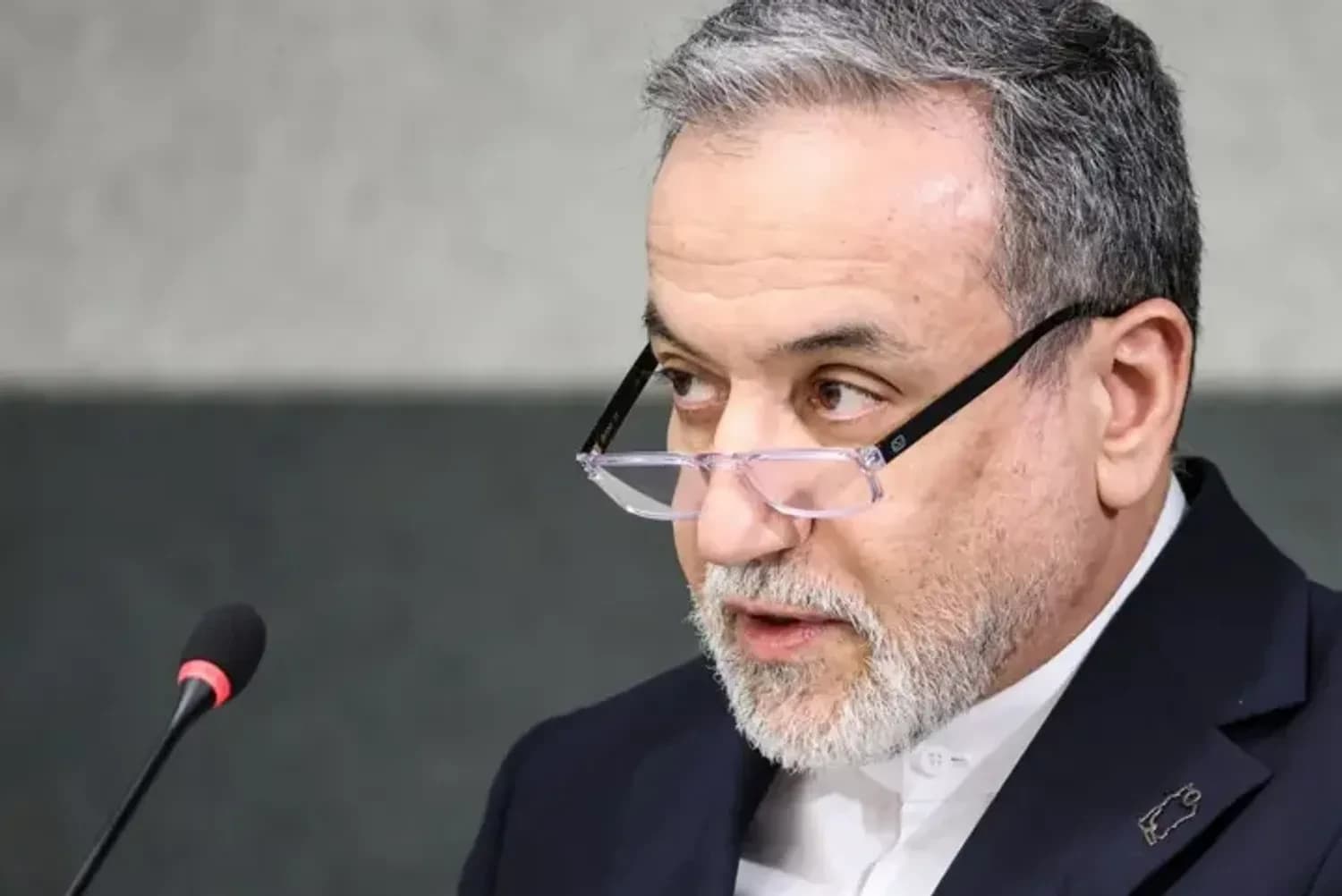
Foreign Minister Abbas Araghchi acknowledged receiving military assistance from Russia and China.

This official confirmation lends credibility to intelligence reports.
Iranian authorities frame cooperation as response to external threats.
They describe it as part of broader strategy to enhance regional security.
The public acknowledgment represents significant diplomatic shift.
Strategic Realignment
The partnership reflects broader strategic realignment countering U.S. influence.
Moscow and Tehran position themselves as key regional players.
This partnership challenges U.S. military strategy in the Middle East.
It combines Russian technological capabilities with Iranian regional knowledge.
The cooperation creates a more sophisticated military threat.
U.S. faces complex challenges in maintaining military dominance.
More on Russia
Muslim group claims responsibility for Amsterdam Jewish school explosion, mayor calls it attack on Jews
23 sources compared

Trump lifts sanctions on Russian oil, letting Moscow sell at sea
110 sources compared

President Trump issues 60-day Jones Act waiver to curb oil prices amid Iran war
14 sources compared
UK Government Boycotts Opening Ceremony After IPC Allows Russian, Belarusian Flags
13 sources compared