
Trump lifts sanctions on Russian oil, letting Moscow sell at sea
Key Takeaways
- US Treasury issues a 30-day license to sell Russian oil stranded at sea.
- Waiver follows India's prior 30-day permission for Russian oil shipments.
- Move aims to ease energy prices amid Iran war disruptions.
Sanctions Waiver Details
The Trump administration has temporarily lifted sanctions on Russian oil currently stranded at sea.
This authorizes countries to purchase approximately 125-145 million barrels of Russian crude and petroleum products.

The waiver is a 30-day measure effective until April 11, 2026.
It comes amid escalating Middle East tensions disrupting global energy markets.
The Strait of Hormuz closure affects one-fifth of the world's oil supply.
Treasury Secretary Scott Bessent called it 'narrowly tailored' and 'short-term'.
Bessent claimed it won't provide significant financial benefit to Russia.
He argued the Kremlin already collected taxes when oil was initially extracted.
Financial Impact Concerns
Critics argue the waiver will provide substantial financial benefits to Russia.
They claim it will help fund Russia's ongoing war in Ukraine.
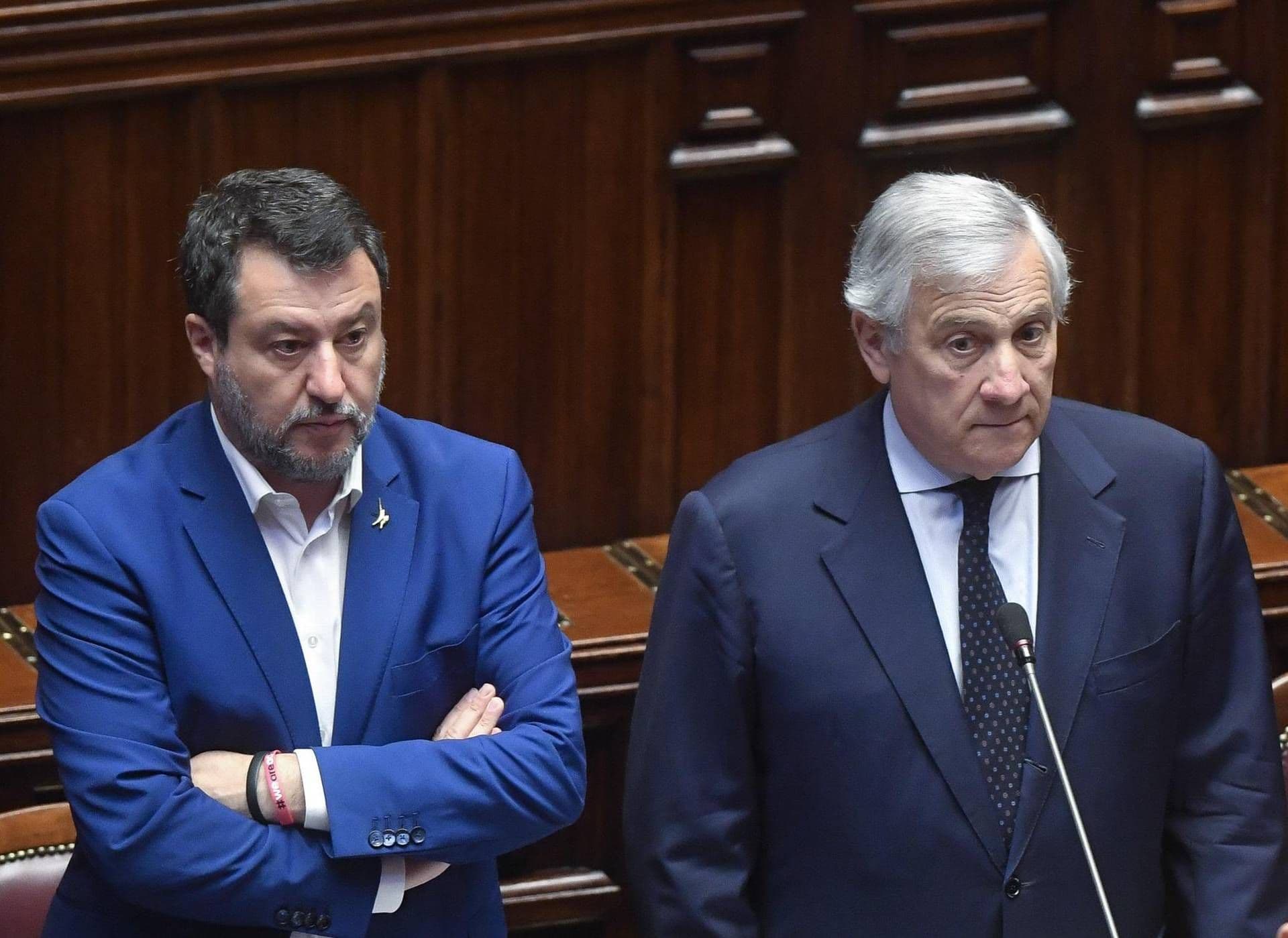
Ukrainian President Volodymyr Zelenskyy estimated the move could provide Russia about $10 billion for the war.
Zelenskyy emphasized the money will be used for weapons against Ukraine.
Energy analysts support this assessment of increased Russian revenue.
Russia's daily oil revenue during the Iran war is 14% higher than in February.
The country earns approximately $588 million daily from oil and gas exports.
This data comes from the Centre for Research on Energy and Clean Air.
International Reactions
The decision has drawn significant criticism from European allies and Ukraine.
They view it as undermining efforts to weaken Russia's war capabilities.
German Chancellor Friedrich Merz called the decision a 'mistake'.
Merz expressed concern the U.S. failed to notify Germany beforehand.
French President Emmanuel Macron argued Ukraine situation doesn't justify lifting sanctions.
European Council President Antonio Costa called the decision 'very concerning'.
Costa warned it could affect European security and give Russia more resources for war.
Ukrainian officials allege Russia is providing Iran with targeting information against US troops.
Russian Perspective
Russian officials have welcomed the waiver as pragmatic recognition of market realities.
They see it as potentially leading to further sanctions relief.
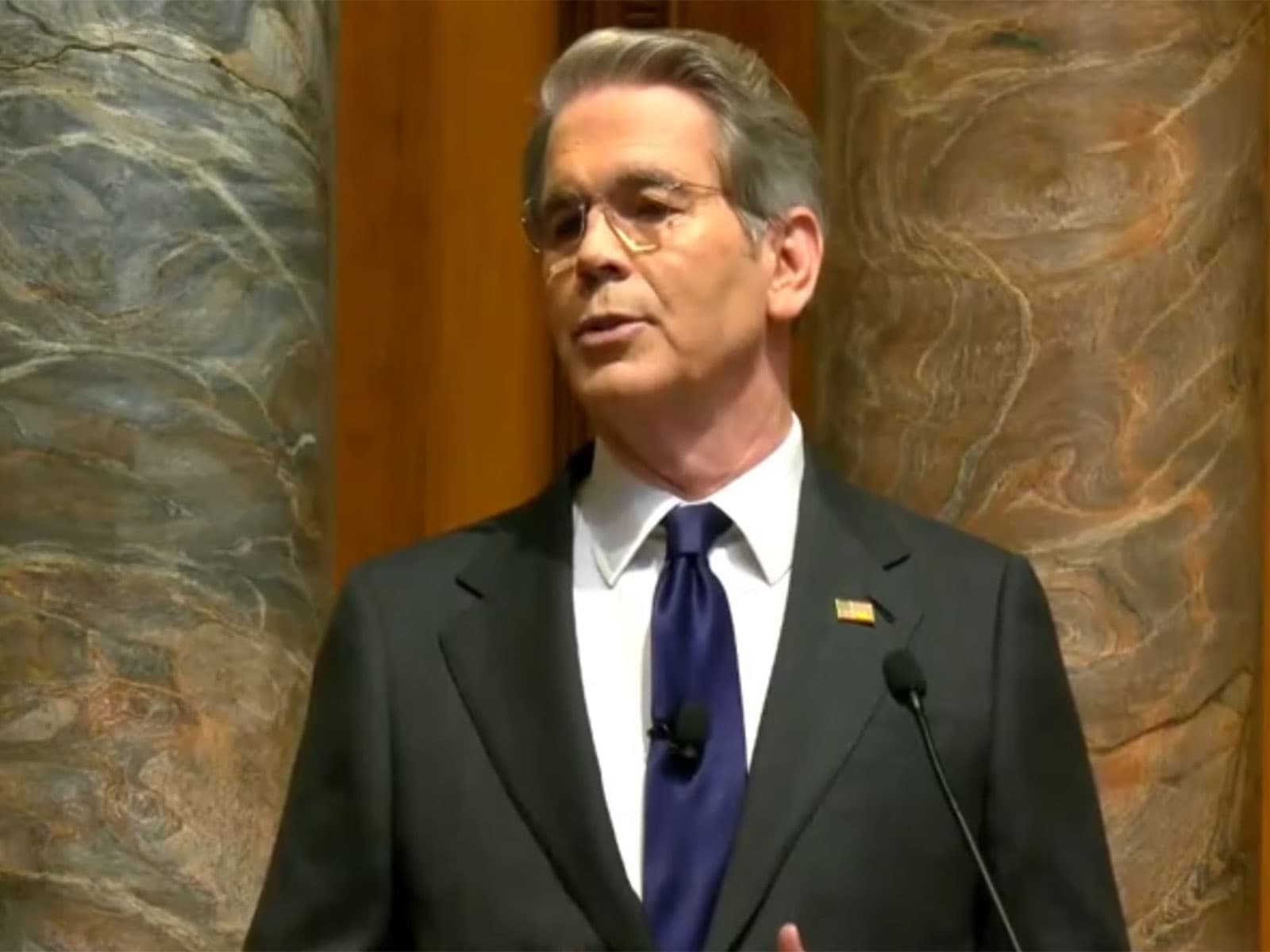
Kirill Dmitriev, Putin's economic envoy, said the US 'effectively acknowledged the obvious'.
Dmitriev stated 'without Russian oil, the global energy market cannot remain stable'.
He added that further easing of restrictions appears 'increasingly inevitable'.
Kremlin spokesperson Dmitry Peskov agreed market stabilization is impossible without Russian oil.
Peskov suggested the temporary measure could lead to broader sanctions relief.
This comes as global energy markets face disruption from Middle East conflict.
Market Impact Analysis
Energy analysts suggest the waiver provides limited short-term relief to oil prices.
“EDT) Friday in the wake of the announcement”
The impact is limited due to the specific nature of the measure.

Simone Tagliapietra from Bruegel think tank called the impact 'modestly downward'.
He said it will help contain the current spike in oil prices.
Industry analysts estimate 125 million barrels represents 5-6 days of Hormuz shipments.
This equals slightly more than one day's global consumption.
The measure comes as IEA announced release of 400 million barrels from strategic reserves.
Suggests the waiver is part of broader coordinated response to energy crisis.
More on Russia

Cuba's Díaz-Canel Acknowledges Talks with U.S. as Energy Crisis Worsens
25 sources compared

Muslim group claims responsibility for Amsterdam Jewish school explosion, mayor calls it attack on Jews
23 sources compared
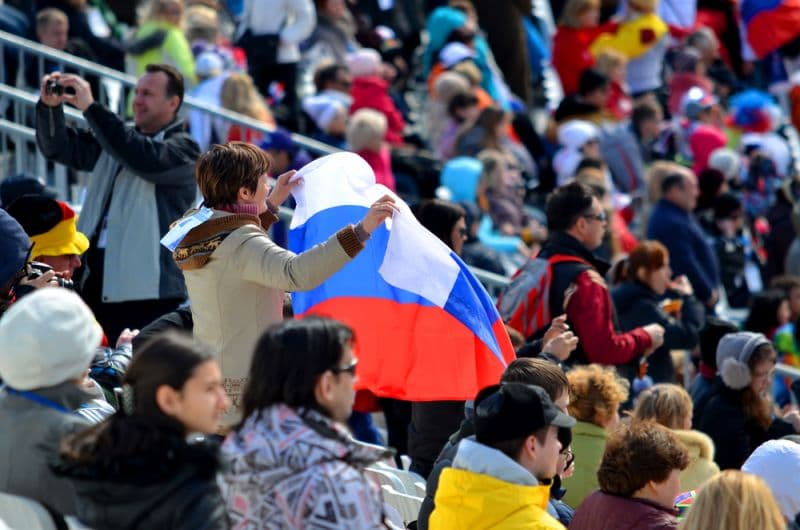
UK Government Boycotts Opening Ceremony After IPC Allows Russian, Belarusian Flags
13 sources compared
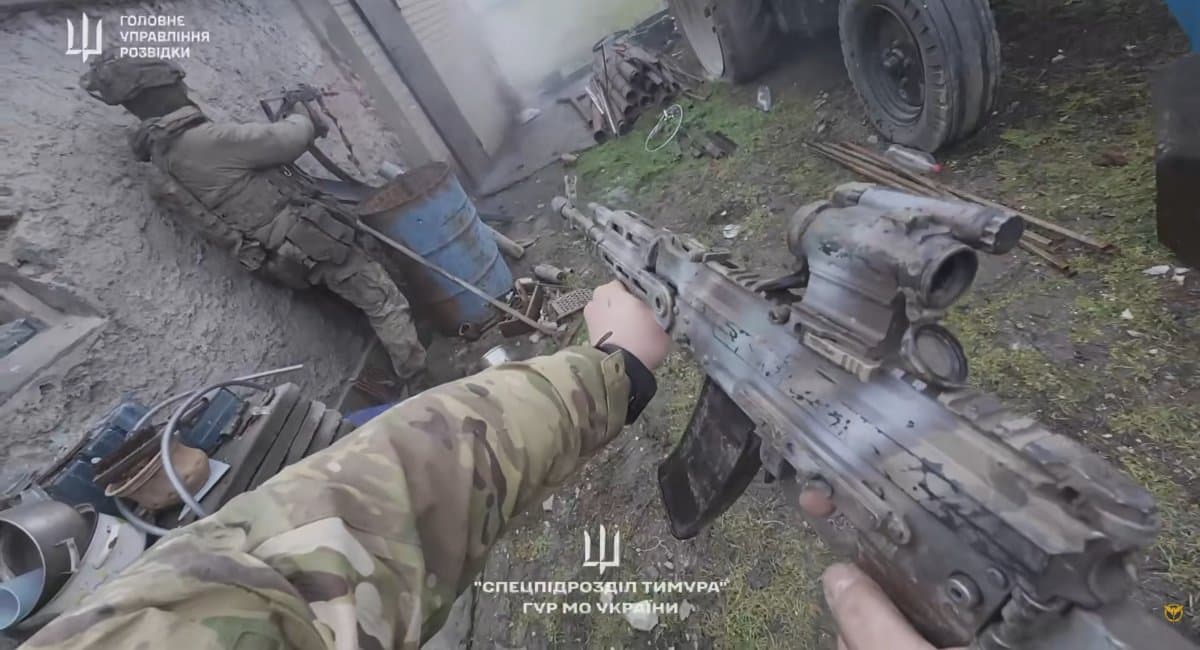
Ukrainian Forces Halt Russian Advance Toward Zaporizhzhia; HUR Claims 300 Russian Casualties
12 sources compared