
Russia, Iran Condemn US, Israeli Strikes on Iranian Naval Vessels Near Strait of Hormuz
Key Takeaways
- Iran and Russia condemned US and Israeli strikes on Iranian naval vessels near Hormuz
- Foreign ministers Lavrov and Araghchi held a phone call about escalating regional tensions
- They warned the strikes risk broader regional and international security and stability
The strikes announced
U.S. Central Command announced on March 10 that American forces destroyed multiple Iranian naval vessels identified as minelayers near the Strait of Hormuz, saying in a post on X that “U.S. forces eliminated multiple Iranian naval vessels, March 10, including 16 minelayers near the Strait of Hormuz.”
“Home / World News / Iran, Russia foreign ministers discuss regional tensions over phone Iran, Russia foreign ministers discuss regional tensions over phone They exchanged views on the evolving situation in West Asia and the broader consequences of the conflict for regional and international stability Advertisement”
U.S. and media accounts framed the strikes as a preemptive response to a perceived mine threat: “According to a report by Axios citing a US official, the strike was a preemptive measure based on intelligence suggesting Iran was preparing to deploy naval mines in the strategic waterway.”
Former President Trump also posted about the action, saying ten vessels had been destroyed “with more to follow,” while CENTCOM later confirmed that 16 vessels had been eliminated, underscoring the U.S. public narrative around the operation amid mounting regional tensions described in other reports as a sharp escalation.
Iran-Russia diplomatic reaction
Iran and Russia responded diplomatically and vocally, with a high-level phone call between Iranian Foreign Minister Seyed Abbas Araghchi and Russian Foreign Minister Sergey Lavrov about the 'severe deterioration' and 'sharp escalation' in the region.
Mehr News Agency reported that “Lavrov emphasized Russia's principled position on the need for the swiftest possible de-escalation and expressed Moscow's readiness to facilitate this process.”

Business Standard likewise noted Araghchi accused the United States and Israel of military aggression and that Lavrov 'emphasising his condemnation of the US and Israel's military aggression against Iran,' while other reporting stressed that the exchange between Moscow and Tehran “highlights growing diplomatic tensions.”
U.S. rationale and pushback
U.S. officials justified the operation by stressing maritime security and the need to blunt Iran's capability to threaten shipping, with CENTCOM stating that “U.S. forces are degrading the Iranian regime's ability to project power at sea and harass international shipping. For years, Iranian forces have threatened freedom of navigation in waters essential to American, regional and global security and prosperity.”
At the same time, reporting shows the American account rests on intelligence assessments: “We thought the Iranians were planning to start laying the mines, so we took out many of the ships,” the US official told Axios.
Iran and Russia presented the strikes as part of a dangerous escalation and pushed diplomatic channels to reduce tensions.
Strategic economic stakes
Reports stressed the wider strategic and economic implications of any disruption in the Strait of Hormuz, noting that a mine deployment or broader hostilities could imperil commercial shipping and oil flows: Kurdish reporting said the deployment could pose “a serious threat to commercial shipping and potentially prevent oil shipments from passing through the strait, through which roughly one-fifth of global oil production moves.”
Business Standard framed the incident as having 'broader consequences of the conflict for regional and international stability,' while Moscow offered to use its 'good offices to strengthen regional security' as countries weighed the potential economic fallout.
Conflicting narratives
The reporting contains competing narratives and clear uncertainties: some outlets said Iran had begun laying mines 'although the activity was not extensive,' while U.S. sources and Trump warned of a larger threat even as he 'clarified that the United States had no confirmed reports that mines had been placed.'
“Home / World News / Iran, Russia foreign ministers discuss regional tensions over phone Iran, Russia foreign ministers discuss regional tensions over phone They exchanged views on the evolving situation in West Asia and the broader consequences of the conflict for regional and international stability Advertisement”
The Axios-cited official framed the action as preemptive—'We thought the Iranians were planning to start laying the mines, so we took out many of the ships'—but other accounts and the diplomatic exchanges between Tehran and Moscow underscore unresolved questions about what occurred at sea and how best to reduce the risk of wider confrontation, with calls for the U.N. Security Council to address alleged violations and for Russia to mediate de-escalation.
More on Iran
US Bombs Military Sites on Iran's Kharg Island
10 sources compared
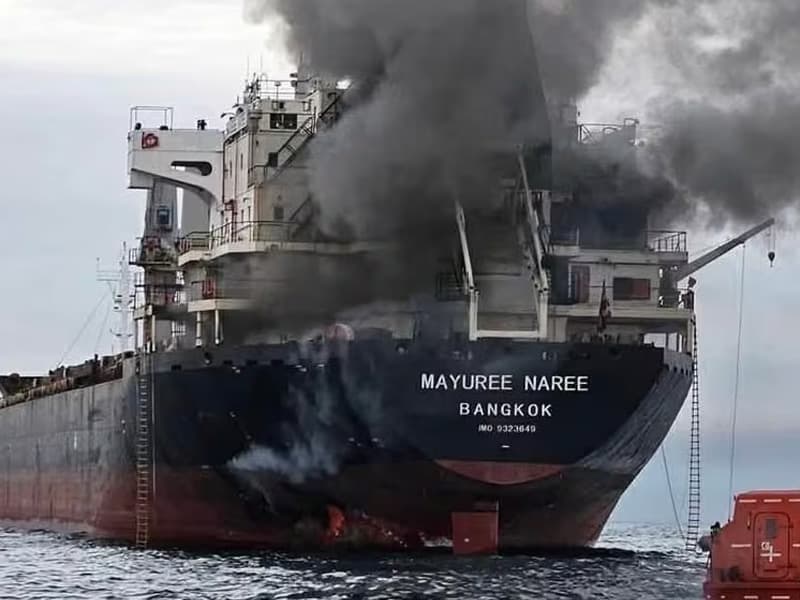
Iran Closes Strait of Hormuz, Chokes Global Shipping and Pushes U.S. Retail Prices Higher
41 sources compared
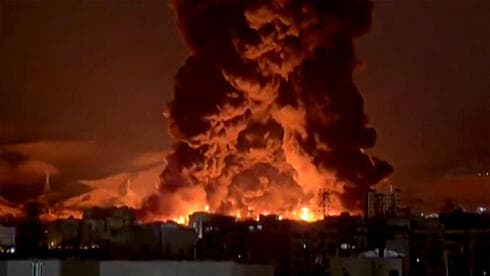
President Donald Trump Orders US Bombing of Iran's Kharg Island, Says Targets 'Totally Obliterated'
18 sources compared
US obliterates military targets on Iran’s Kharg Island, Trump warns
13 sources compared