
Russia Loses Ground In Ukraine In April 2026, Ukraine Gains 116 Square Kilometres
Key Takeaways
- Russia lost roughly 116 square kilometres of territory in April 2026.
- Ukraine gained territory in April 2026, suggesting momentum shift.
- First Russian ground loss since August 2024 incursion occurred in April 2026.
April gains, shifting front
Russia lost ground in Ukraine during April 2026 for the first time since Ukraine’s bold August 2024 incursion into Russia’s Kursk oblast, according to an analysis published this week.
“After slowing Russia’s rate of advance over the past several months, Ukraine may have tipped the scales in April and recaptured more of its land than it lost, according to an analysis of battlefield positions”
The losses were equivalent to some 116 square kilometres across several areas of the front line, and Ukraine gained some 116 square kilometres (45 square miles) along several areas including in the Sumy region north of Kharkiv and further south in Zaporizhzhia province.
France 24 reported that the Russian advance has been slowing significantly since November 2025, and that the changing nature of the war and Russia’s increased use of infiltration tactics make year-on-year comparisons difficult.
The Institute for the Study of War (ISW) wrote that "Russian forces have been using infiltration tactics in part to create the perception of continuous Russian advances across the front".
Erik Stijnman, a specialist in military security and the Russo-Ukrainian war at the Dutch Clingendael Institute for International Relations, said the movement was "more like tactical withdrawals" rather than a large-scale military retreat.
Infiltration, communications, casualties
The ISW said it observed evidence that Russian forces suffered a net loss of 116 square kilometres (45 square miles) during April, while counting only territory firmly held by each side and not what it called “grey zones”.
Al Jazeera reported that the ISW said "Russian forces, however, do not control these infiltration areas" and that it had observed a progressive slowing of Russia’s rate of advance by at least two-thirds over the past 18 months.
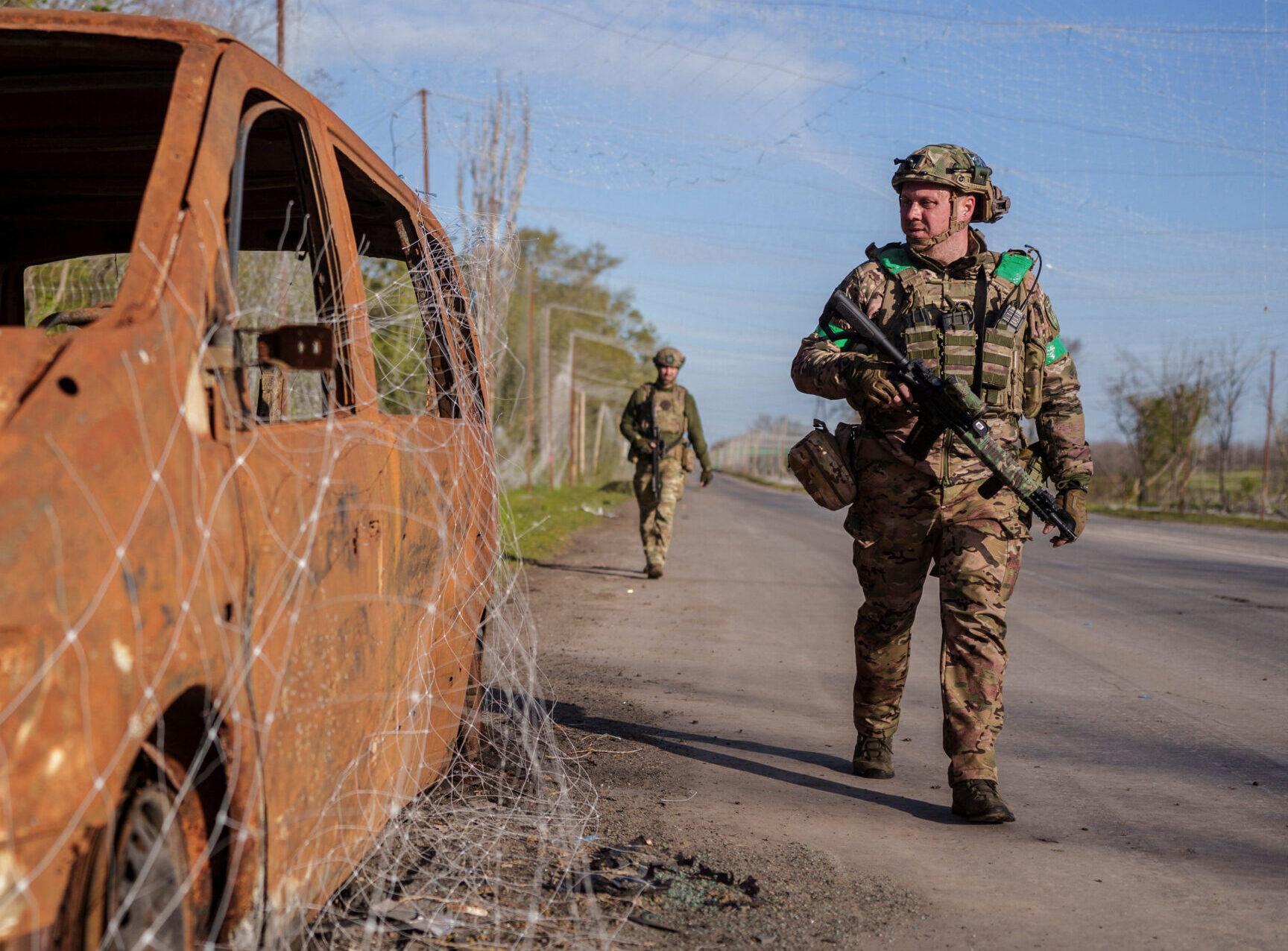
Al Jazeera also cited Defence Minister Mykhailo Fedorov saying that "In April, 35,203 Russian soldiers were eliminated or seriously wounded," adding that Russia was "gradually drowning in losses".
France 24 tied the battlefield picture to a broader shift in how the war is fought, saying the Russian advance has been sluggish overall in 2026 compared to this time last year and that Russia’s increased use of infiltration tactics complicates comparisons.
The Atlantic Council’s Atlantic Council tabloid framing emphasized that Ukrainian advances were enabled by "mounting command and communications problems within the Russian military" rather than a sudden surge in Western arms deliveries.
What comes next for both sides
France 24 said Ukraine’s territorial gains could have a long-term impact if they allow Ukraine to recapture ever-more-strategic areas, but it also warned that the 116 square kilometres lost in April will mean nothing if Russia succeeds in destroying Ukrainian defences.
“Russia loses ground – but not the war – in Ukraine Moscow lost territory on the battlefield in April 2026 for the first time since Ukraine’s bold August 2024 incursion into Russia's Kursk oblast, according to an analysis published this week”
Stijnman described the situation as "a true war of attrition" in which territorial gains are less important than one side’s ability to inflict more losses than the other can withstand.
Al Jazeera reported that Ukrainian commander-in-chief Oleksandr Syrskii said Russian assaults around the “fortress belt” of heavily fortified cities, including Sloviansk and Kramatorsk, "noticeably increased" in April.
Al Jazeera also reported that Ukraine struck the Tuapse refinery on the Black Sea for the fourth time in two weeks on May 1, and that on May 2 it used surface drones to raid two Russian oil tankers outside the offloading port of Novorossiysk.
The Atlantic Council’s analysis argued that the Starlink cut-off and Russia’s communications degradation could generate returns out of all proportion to their cost, stating that "capabilities which degrade Russian command and control may generate returns out of all proportion to their cost."
More on Ukraine War
Russian Troops Enter Pokrovsk Center, Control Railway Station as Ukraine Strikes Russian Assets
10 sources compared
Ukrainian Drone Attacks Kill At Least Five in Crimea and Krasnodar
17 sources compared

Ukraine Hits Moscow Kapotnya Oil Refinery, Disrupting Flights and Wounding 17
17 sources compared
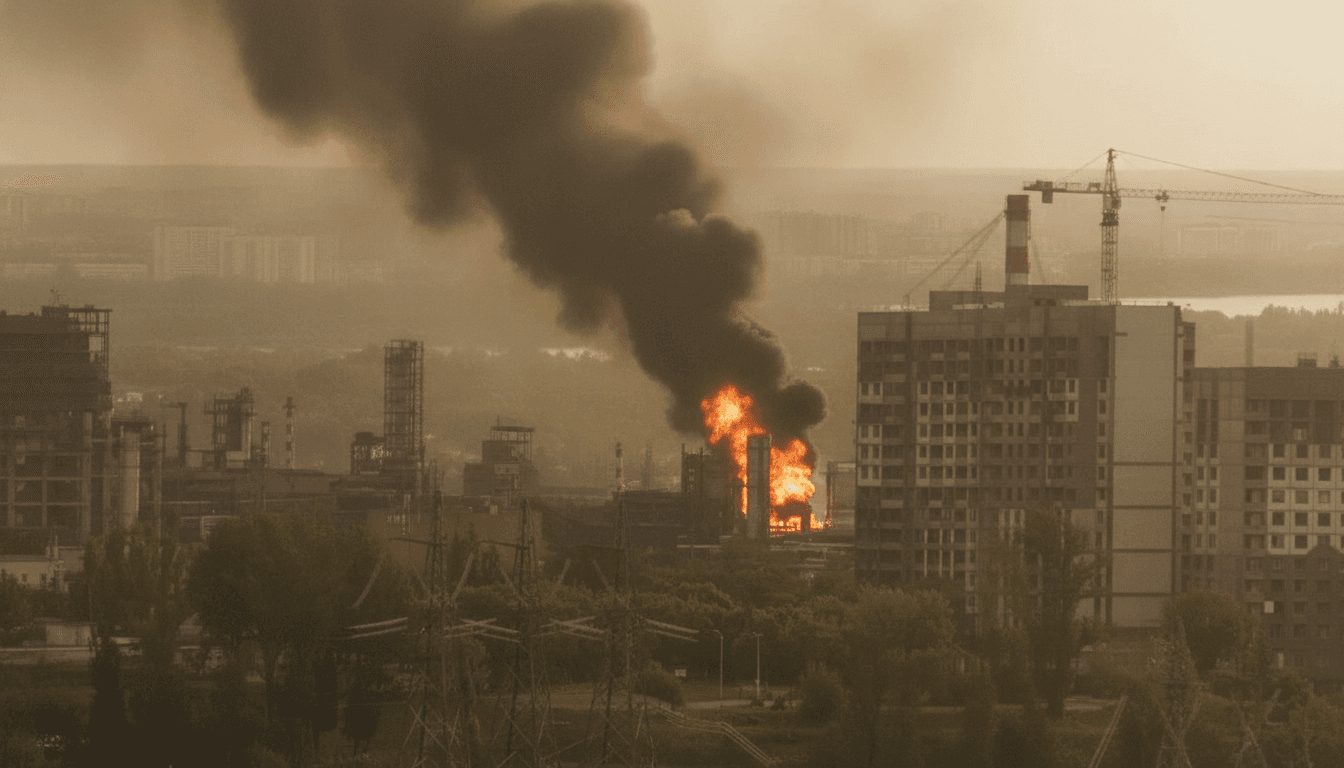
Zelenskyy Confirms Ukrainian Drones Strike Tyumen Oil Refinery Over 2000km From Ukraine
14 sources compared