Russia26 March, 20262 min read
Russia Nears Completion Of Geran Drone Shipment To Iran Using Humanitarian Aid Cover
This article is an automated aggregation of coverage from news outlets. Our editorials offer in-depth analysis curated by the NewsCord team.
Drones are upgraded Shahed-type models Iran initially supplied to Russia. Shipments nearing completion, with completion expected by month-end March 2026.

Near-complete drone shipments
Western intelligence suggests Russia is near completing a phased shipment of modified Shahed-type drones to Iran. The drones are Geran systems, Russian-produced variants of Shahed-136. The package is reportedly to accompany medicines and food and could be a one-time delivery or part of a broader series, with some shipments potentially disguised as humanitarian aid.
“Russia is sending a shipment of drones to Iran including upgraded versions of the drone technology that Tehran originally supplied to Moscow after its invasion of Ukraine.”
Plan details and transfer
The package is described as a phased shipment combining drones with humanitarian aid. Drones dubbed Geran systems may include jet propulsion, AI piloting, improved navigation, and satellite-linked communications. European officials describe a broader knowledge transfer, including training and targeting data, with Iran providing information on military developments in return.
Security implications and escalation risk
If these drones arrive, Western defense planners warn that Iran could threaten U.S. forces and regional targets with faster, more capable drones, complicating interception and response. A deeper alliance and exploitation of sanctions gaps are indicated by the continuing production and renewal of drone capabilities between Moscow and Tehran. The potential for wider escalation in West Asia is a concern as foreign powers reframe regional risk.
“White House spokeswoman Olivia Wales told AP that ‘nothing provided to Iran by any other country is affecting our operational success.’ She said the U.S. military has struck more than 10,000 targets and destroyed more than 140 Iranian naval vessels leading to Iran’s missile attacks and drone attacks decreasing by 90%.”
Reactions and denial
The Kremlin has pushed back against the reports; Dmitry Peskov told reporters there are 'there are a lot of fakes going around right now. One thing is true – we are continuing our dialogue with the Iranian leadership.'
Western observers have treated the claims with caution: NATO officials have declined to confirm drone deliveries, noting that much of the reporting rests on intelligence assessments.
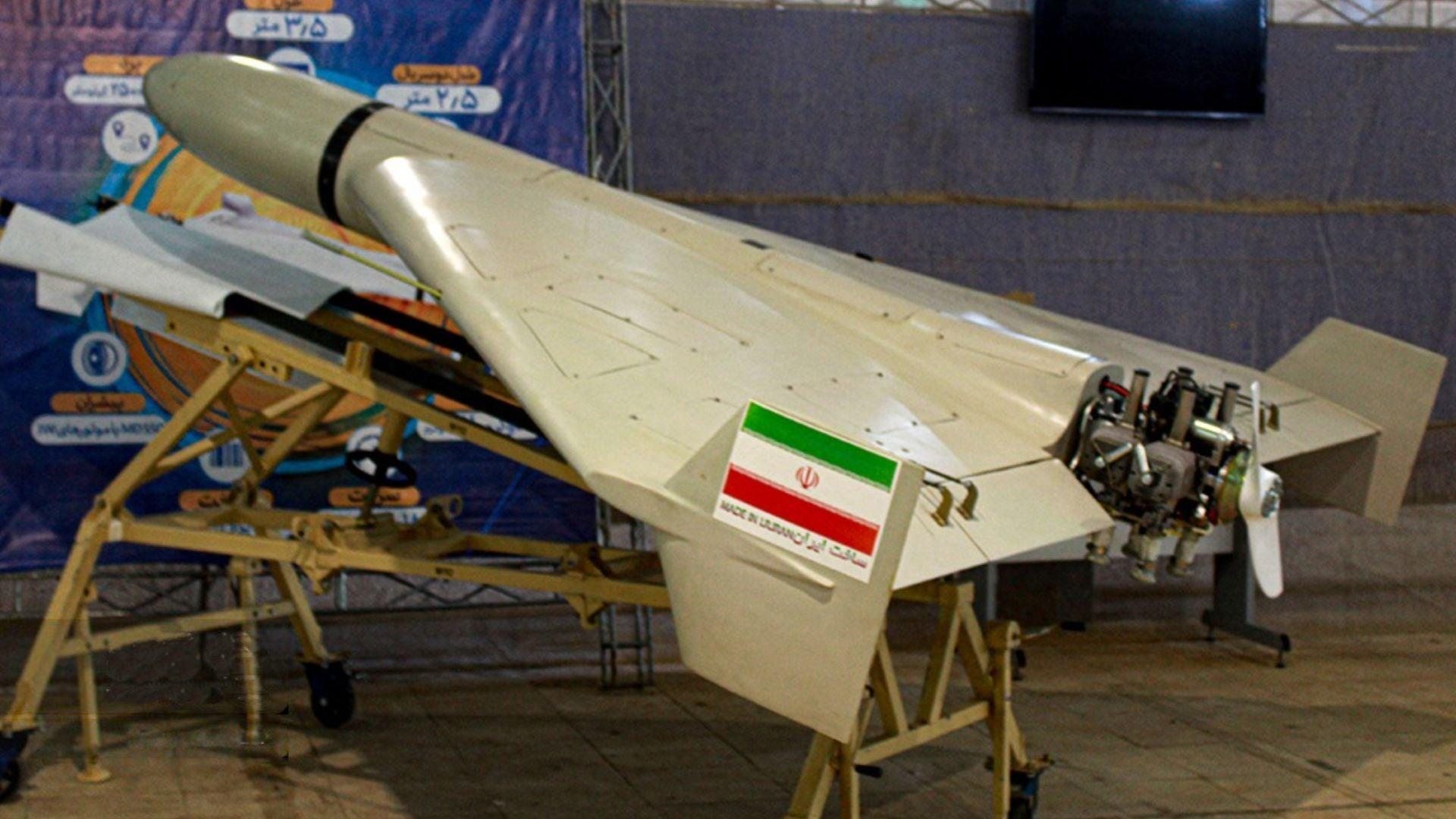
Analysts caution that the Russia–Iran relationship has evolved over years and is unlikely to be reversed by a single shipment.
Longer-term strategic shift
This development deepens the Iran-Russia security axis, with continued drone exchange and joint production shaping Western risk calculations. Moscow has leveraged Tehran’s battlefield-tested Shahed designs to refine its own capabilities while Iran benefits from Russian production and intelligence support. A continuing $1.7 billion deal for Shahed drones signed after Moscow’s 2022 invasion, and expanded Alabuga production in Tatarstan, reflect a longer-term strategy.
“Russia signed a $1.7 billion deal for Shahed drones after Moscow’s invasion of Ukraine in 2022.”