Russia Violates Estonia Airspace With MiG-31s, Prompting NATO Intercepts From Amari
Key Takeaways
- Estonia requested NATO Article 4 consultation following Russian airspace incursions.
- Drones over Poland and other provocations escalated tensions on NATO's eastern flank.
- Poland and Estonia call for stronger NATO action against Russia's provocations.
Drones, jets, and NATO
Russia’s provocations against NATO’s eastern flank have included drone incidents and airspace violations, with NATO members including Poland, Romania and Estonia among those affected.
“Poland remains on alert over the possibility of a Russian attack on NATO territory that would extend the war taking place in Ukraine to the EU”
In Kyiv Post’s account, deputy chairman of Russia’s Security Council Dmitry Medvedev warned that drone incidents would “continue to happen” after a Russian drone crashed into an apartment block in Romania during an attack on neighboring Ukraine.

The Kyiv Post also reports that Poland’s Prime Minister Donald Tusk urged NATO to respond more urgently, writing on X that “Poland, Baltic states, now Romania. More and more Russian provocations,”.
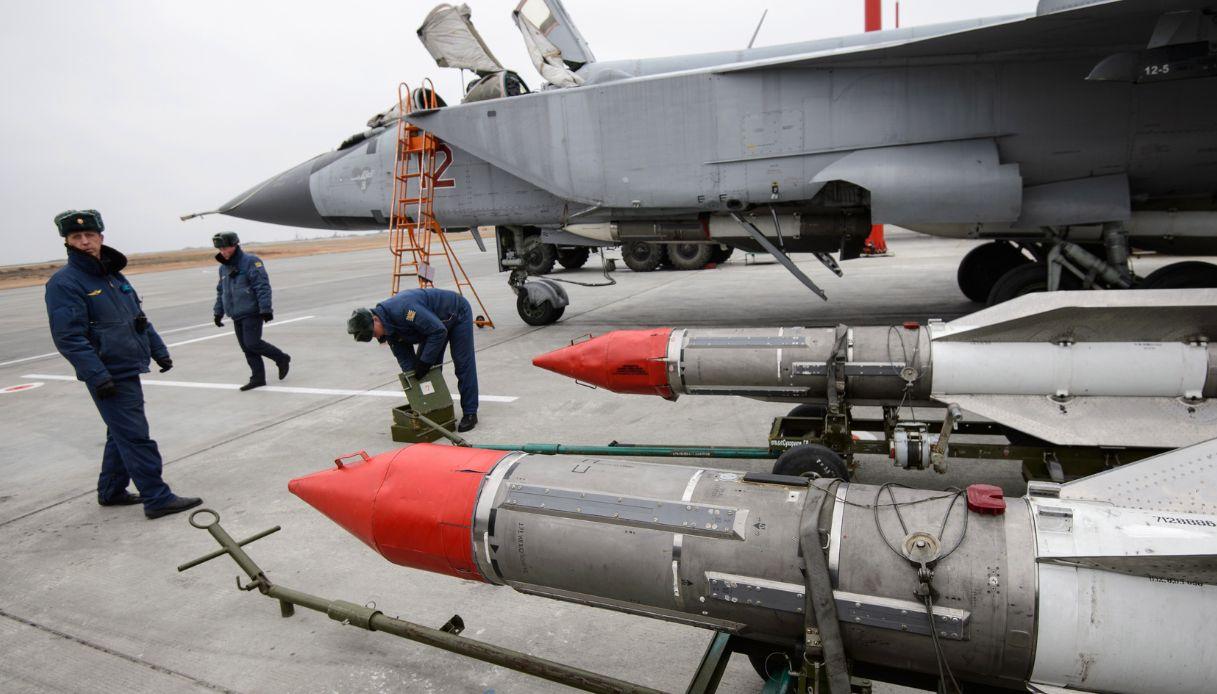
In Estonia, Virgilio says the Estonian prime minister Kristen Michal announced on X that three Russian fighter jets, MiG-31s, violated Estonian airspace, prompting an immediate NATO reaction with two Italian F-35s taking off from the Amari base to intercept.
Sky TG24 adds that the MiGs entered Estonian airspace with their radios off and remained in the skies of the Alliance member for a full 12 minutes, described by Tallinn’s government as “unprecedented audacity.”
Competing warnings and quotes
The dispute over how NATO should respond is reflected in Internazionale’s reporting of Donald Trump’s stance, where Trump answered “Sì” to whether Russian aircraft entering NATO countries’ airspace should be shot down.
Internazionale then contrasts that with U.S. Secretary of State Marco Rubio’s position that it should happen “solo se attaccano,” while it says Germany warned about the dangers of escalation.

In Kyiv Post, Medvedev accused European governments of participating in the war against Ukraine by supplying Kyiv with drones, weapons and intelligence, and he framed the situation as a threat to “the peaceful sleep of EU citizens.”
In response, Tusk wrote on X that NATO should “finally start taking these facts and words seriously,” after Medvedev said the peaceful sleep of EU citizens was over.
Virgilio reports that NATO said after the Atlantic Council that “Russia is fully responsible for these actions, which constitute an escalation,” and it added that “NATO and the Allies will employ, in accordance with international law, all necessary military and non-military tools” to defend and deter threats.
Article 4, deterrence, and risk
Estonia’s request for NATO consultations under Article 4 is presented by Virgilio as a mechanism that provides for consultations when a member country feels its territorial integrity, political independence, or security is threatened.
“Gli aerei russi che entrano nello spazio aereo dei paesi della Nato vanno abbattuti”
Virgilio says Article 4 is used to examine potentially grave or dangerous situations and triggers a dialogue, consultations, between the parties, while it does not require any form of armed intervention.
Sky TG24 describes how NATO continues with the East Sentinel operation launched in response to Russian incursions, including Britain’s RAF fighters carrying out their first sortie into Poland on Friday the 19th and the German Air Force launching two Eurofighters on Sunday the 21st.
El País frames the stakes as Poland warning of an increase in Russian provocations and urges NATO to take them seriously, citing the drone last Friday in Romania that wounded two people.
El País also quotes Piotr Szymanski saying “Predictability, the big picture, and a common understanding are essential,” while he argues that chaotic handling of deployments weakens the Alliance’s “deterrence capacity” on the eastern flank.
More on Russia

Blast in Kaungtad Village, Namkham Township, Shan State Kills Dozens Including Children
10 sources compared

Russian Defense Ministry Publishes Drone Evidence Of Alleged Attack On Vladimir Putin Residence In Novgorod
10 sources compared

Ukrainian Drones Strike Saratov Oil Refinery, Lazarevo Pumping Station, Fuel Depot in Russia
28 sources compared
Wang Yi Calls Mark Carney’s Beijing Visit a Turning Point for Canada-China Ties
13 sources compared