Russian Drone Strike Kills One in Kherson as Russia Shoots Down 334 Ukrainian Drones
Key Takeaways
- One person killed in Kherson by Russian drone strike.
- Russia shot down more than 300 Ukrainian drones.
- The incident reflects ongoing drone warfare since Russia invaded Ukraine in 2022.
Drone Strikes and Ceasefire Talk
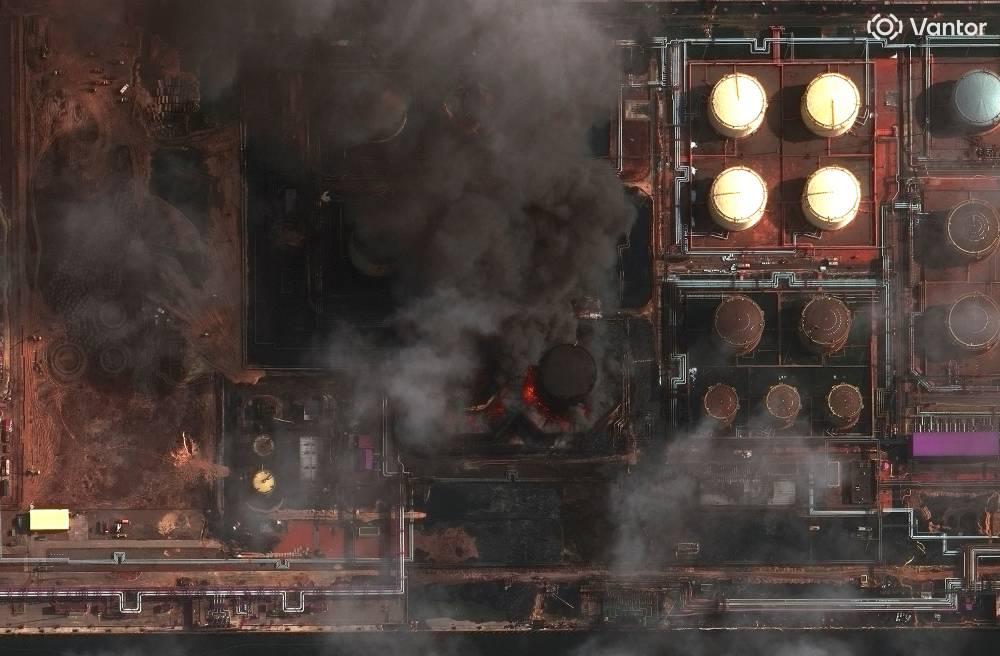
A Russian drone strike on the southern Ukrainian city of Kherson killed one person and wounded four others, according to military officials on Sunday, May 3, as Russia announced it had shot down more than 300 Ukrainian drones.
The Ukrainian city of Kherson, described as sitting on the front line, was hit by a Russian drone strike that “left one person dead and four others wounded,” according to the report.

At the same time, the Russian Defense Ministry said air defense units intercepted and destroyed 334 Ukrainian drones overnight in more than a dozen areas near its western border, while the ministry “did not report any casualties from the attacks.”
The report also framed the drone campaign as a near-daily pattern since Moscow’s invasion of Ukraine in 2022, saying Russia has been launching “hundreds of drones” almost daily while Ukraine responds with regular retaliatory attacks.
The same source added that an analysis by Agence France-Presse (AFP) of data published by the Russian Air Force in Kyiv showed Russia launched a record number of long-range attack drones against Ukraine in April, totaling 6,583 long-range drones, up 2% from March.
It also recalled that the Russian Defense Ministry announced in late March that air defense systems intercepted and destroyed 389 Ukrainian drones in a single day.
Against this backdrop of continuing strikes, the broader diplomatic thread in the sources centered on proposals for temporary ceasefires, including a Russian idea to extend a temporary ceasefire with Ukraine to coincide with May’s Victory Day observance.
Putin-Trump Call and Ceasefire Proposal
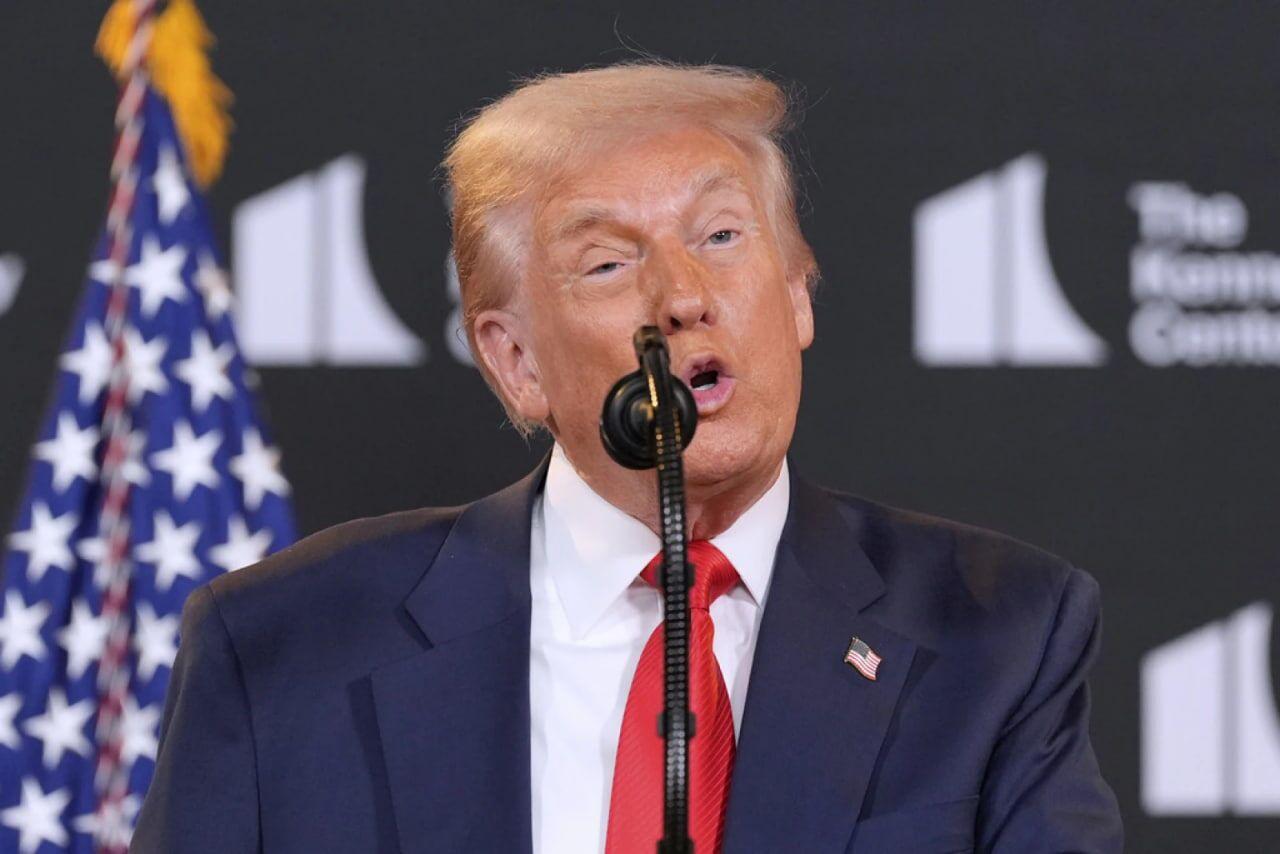
A central diplomatic development in the sources was a phone call between Russian President Vladimir Putin and U.S. President Donald Trump, described as lasting more than an hour and a half and focused on Iran and Ukraine.
The report said Putin spoke with Trump “in a phone call that lasted more than an hour and a half on Wednesday” to discuss developments in Iran and Ukraine, and it described Putin’s warnings about consequences if the United States and Israel resumed military force against Iran.

After the conversation, U.S. President Donald Trump said Putin had offered Washington help on the issue of Iran’s enriched uranium, and the report described this call as “the first publicly announced telephone exchange between the Russian and American presidents since March 9.”
On the Ukraine file, Russian presidential aide Yuri Ushakov said Putin proposed extending a temporary ceasefire with Ukraine to mark Moscow’s upcoming observance of the end of World War II in May, with Ushakov adding that Putin proposed the temporary ceasefire to coincide with the May 9 anniversary of the Soviet Union’s participation in defeating Nazi Germany.
The report also said Trump supported the initiative, noting that “this anniversary represents a joint victory over Nazism in World War II.”
Another source similarly described the call as “very good conversation” and said Trump believed “we will reach a solution relatively quickly… I hope so,” while adding that Putin “wants to see a solution.”
In the same set of accounts, Ushakov characterized the call tone as “friendly and professional” and said Putin presented “the current situation on the front line” at Trump’s request, asserting that “our forces retain the strategic initiative.”
Zelensky’s Ceasefire and Ongoing Attacks
While Russian officials discussed a temporary ceasefire tied to Victory Day, Ukrainian President Volodymyr Zelensky proposed his own ceasefire plan with Russia, framing it as a way to save lives and stop destruction.
DW reported that after an agreement on a two-week ceasefire in the war between the United States and Israel against the Islamic Republic, Zelensky “again proposed his plan for a ceasefire with Russia,” and he posted on X that “a ceasefire is the right decision that can lead to the end of the war.”
DW quoted Zelensky’s argument that a ceasefire would mean “saving lives, stopping the destruction of cities and villages, and allowing the normal operation of power plants and other infrastructure,” and it said he added that Ukraine has “always desired a ceasefire in the war with Russia.”
The same DW report said Zelensky emphasized that if Russian attacks stop, Ukraine would be ready “to respond in kind,” and it described his proposal as providing “the time and conditions necessary for diplomacy to bear fruit.”
DW also placed Zelensky’s proposal amid continued violence, stating that “Intensification of Russian drone attacks on Ukraine” was ongoing and that “at least two people in Ukraine were killed” following these attacks.
It cited a Sumy region official saying a 42-year-old man died after “a Russian drone hit his house and family members were injured,” and it described a Zaporizhzhia region attack with guided bombs where “Several residential houses and buildings were destroyed in the area.”
DW further reported that in Kharkiv region, “Russia destroyed a historic building in the Kharkiv region in eastern Ukraine,” and it quoted Fox News that the building “is now almost completely in flames.”
How Outlets Frame the Same Call
The sources present the Putin-Trump exchange with overlapping details but distinct emphases, particularly around tone, the balance between Iran and Ukraine, and the meaning of ceasefire proposals.
The East Asian-language account from Al Jazeera described the call as focusing on Iran and Ukraine, with Yuri Ushakov saying Putin offered ideas to resolve the Iranian nuclear program dispute and proposing extending a temporary ceasefire with Ukraine to coincide with May 9, while also quoting that Trump “strongly supported this initiative.”

By contrast, Al Sharq’s account foregrounded Trump’s remarks to reporters at the White House, describing the conversation as “very good” and quoting Trump’s expectation that “we will reach a solution relatively quickly… I hope so,” while also quoting Trump’s statement that Putin “wants to see a solution.”
Al Sharq also included Trump’s claim that the United States “will not allow Iran to possess a nuclear weapon,” and it quoted Trump’s assessment that Putin proposed a “partial ceasefire” in Ukraine, adding that “even a limited ceasefire would be important, because there are a very large number of casualties.”
Euronews similarly described the call as “frank and practical” and said Putin expressed readiness to announce a ceasefire for the duration of the Victory Day celebrations, while also adding Kremlin security adjustments for the parade, including that “this year’s celebrations would be scaled back for security reasons.”
Sky News Arabic’s account also emphasized the call’s length and tone, saying Ushakov described it as “frank and practical,” and it stated that Putin proposed a temporary ceasefire in Ukraine on the occasion of the anniversary of the end of World War II.
Meanwhile, TRT Arabic’s framing highlighted Russian warnings about escalation consequences, quoting that Putin described Trump’s decision to extend the ceasefire with Iran as “wise,” while warning that resuming U.S. and Israel military force against Iran would have “dire, unavoidable” consequences.
Easter Ceasefire and Next Steps
Beyond the Victory Day ceasefire proposal discussed in the phone-call reporting, one source described an Easter ceasefire between Russia and Ukraine as having begun and set a specific end time.
“When Ukrainian President Volodymyr Zelensky, serious-faced and clad in black, strolled down a lilac carpet in Saudi Arabia in March, it marked a moment in the US-Israeli war in Iran”
Mehr News Agency, citing RIA Novosti, said “The ceasefire agreed between Russia and Ukraine for Easter has begun and will last until midnight on Sunday,” and it added that the Easter ceasefire “began this afternoon on Saturday and will last until midnight on Sunday.”

The same report said Vladimir Putin announced the Easter ceasefire with Ukraine “last Thursday,” and it stated that Kyiv had accepted it, while also saying “The Russian Orthodox Church also welcomed the move.”
It further quoted Volodymyr Zelensky on X, saying “Ukraine will adhere to the ceasefire and will respond in kind,” and it framed the ceasefire as an exchange of restraint tied to a religious observance.
The sources also included a separate thread about Russian claims of violations, with the Mehr page listing that “Russia: Ukraine violated the Easter ceasefire about 2,000 times,” though the excerpt did not provide additional narrative detail beyond that claim.
In parallel, DW’s reporting on Zelensky’s ceasefire proposal emphasized that Ukraine would respond “in kind” if Russian attacks stop, linking the logic of reciprocity to the ceasefire concept.
Meanwhile, the drone-strike reporting from Kherson underscored that lethal attacks continued even as ceasefire ideas circulated, with one report stating a Russian drone strike “left one person dead and four others wounded.”
More on Ukraine War

Russia Warns Foreign Diplomats In Kyiv Of Retaliatory Strike If Ukraine Disrupts May 9 Commemorations
16 sources compared

Zelensky Threatens Sanctions As Ukraine Summons Israel Ambassador Over Stolen Grain At Haifa Port
11 sources compared

Russia Attacks Kindergarten After Ignoring Ukraine Ceasefire, Zelensky Says
29 sources compared

Russian Drone And Missile Strikes Kill At Least Five, Wound 39 In Ukraine Power Grid
16 sources compared