Russia19 May, 20263 min read
Russia’s Hybrid Warfare Threatens Europe’s Energy Infrastructure, Sparking Fears of Winter Blackouts
Hybrid warfare targets Europe's energy infrastructure, raising fears of winter blackouts. EU seeks to invoke its mutual defense clause to counter hybrid threats.
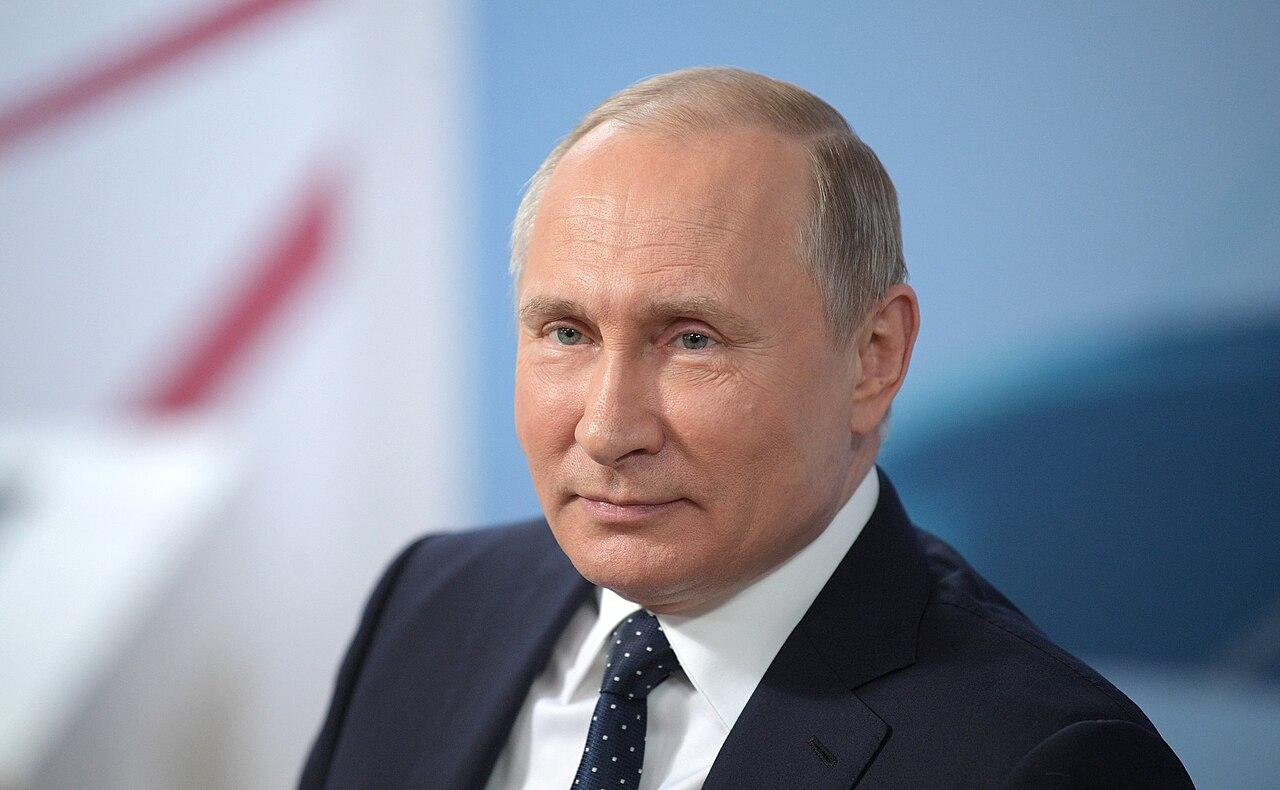
Hybrid attacks raise winter risk
Russia’s hybrid warfare is being linked to growing European fears of sabotage of energy infrastructure as winter approaches, with an investigation by Reuters warning that attacks could leave consumers “al freddo.” The alarm is tied to a recent wave of incidents attributed to Moscow, including drone incursions that caused “gravi disagi” at airports in Denmark and Norway and other violations across the region. Energia Oltre says the vulnerability of Europe’s energy network—described as “vastissima e complessa”—could be exploited through sabotage of gas pipelines and electric cables, even when the incidents do not trigger a direct NATO military response.
The same source points to a pattern of prior disruptions, including a Russian-linked Christmas Day 2024 incident in which a petroliera tranciò the Estlink-2 cable between Finland and Estonia, and an earlier year when a ship from Russia damaged the Balticconnector gas pipeline between the same two countries. It also cites a cyber precedent on the day of Russia’s invasion of Ukraine, when an attack on ViaSat was attributed by British and U.S. secret services to Russia and put out remote monitoring of “oltre 5.800 turbine eoliche” in Germany.

Germany warns of daily sabotage
Friedrich Merz said in a video message that “Russia's aggression was and remains part of a plan aimed at Europe as a whole,” adding that Germany is also “daily confronted with acts of sabotage, espionage, and cyberattacks.” Euractiv reports that Holger Münch, president of the Federal Criminal Police Office (BKA), said Germany is increasingly the target of Russian sabotage because of its support for Ukraine, and that cases involving Russian actors have risen substantially. The same Euractiv account says Germany recorded “more than 1,000 suspicious drone sightings,” while also noting that not all of these drones can be attributed to Russia.
Energia Oltre frames the broader European context as a “nuova escalation della guerra ibrida russa” with energy infrastructures “nel mirino,” even though the latest wave is described as not directly striking the energy sector. In parallel, Al-Jazeera Net describes Russia’s hybrid campaign as targeting “electrical cables and gas pipelines in the Baltic Sea,” and quotes NATO Deputy Secretary General Jean-Charles Ellerman Kingomb saying Europe’s energy infrastructure is a priority target for Russia.

Critical infrastructure protection becomes central
The stakes are framed as protection of critical infrastructure and rapid repair, with Slate.fr quoting Veronica Anghel that “Hybrid warfare is considered the greatest threat to the EU and the risk with the greatest impact for the coming year.” Slate.fr also warns that a “severe attack against the European Union's critical infrastructure” is described as the most probable risk in a study by the European University Institute that consulted “500 experts.” AGI reports that Ursula von der Leyen told the European Parliament in Strasbourg that “Europe must defend itself and be strong,” and said the peace of yesterday is over after Russia’s illegal invasion of Ukraine in February 2022.
In the same AGI account, von der Leyen said imports of Russian gas—LNG and pipelines—have fallen from “45% at the start of the war to 13% today,” alongside coal imports from “51% to zero” and crude oil from “26% to 2%.” Al-Jazeera Net adds that the battle to protect energy has begun by pointing to a UN Development Programme and World Bank assessment in March 2023 that found attacks on Ukraine’s energy infrastructure caused damages exceeding “10 billion dollars” and left “more than 12 million people” without electricity or with limited supplies.