Africa16 May, 20262 min read
Rwandan Genocide Suspect Félicien Kabuga Dies In Custody In The Hague
This article is an automated aggregation of coverage from news outlets. Our editorials offer in-depth analysis curated by the NewsCord team.
Kabuga died in hospital in The Hague while in UN custody. Ages reported as 91 or 93 by different outlets.
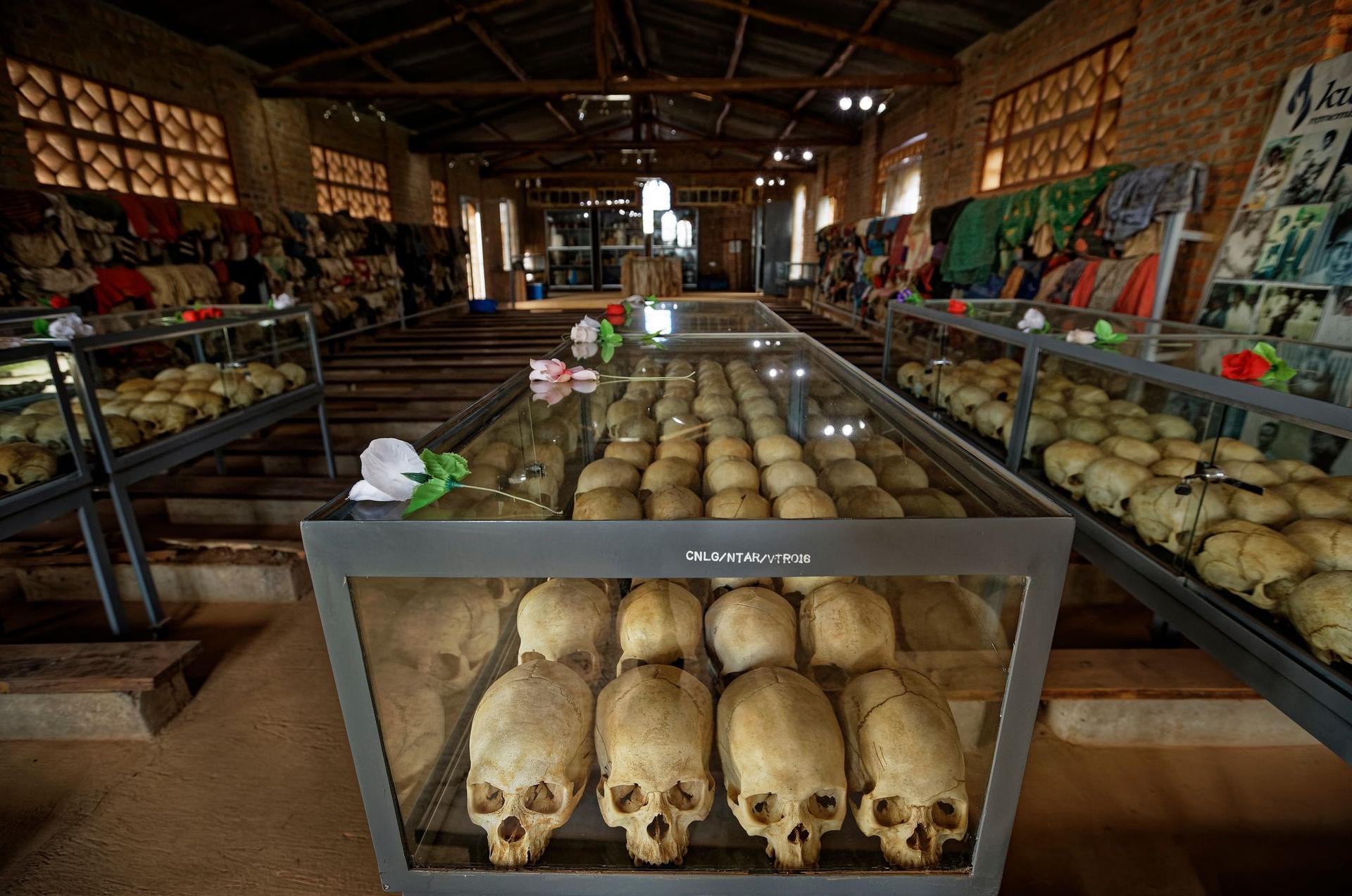
Kabuga dies in The Hague
Félicien Kabuga, a Rwandan genocide suspect charged with genocide-related crimes, died while in custody in The Hague, the Netherlands, according to the UN court statement on Saturday. The United Nations said Kabuga, 91, died in custody in The Hague, and it described him as having cognitive impairment and requiring intensive medical care and monitoring.
“Mr. Félicien Kabuga passed away today while hospitalized in The Hague, The Netherlands.”
The AP reported that Kabuga died in a hospital while in custody in The Hague, three years after judges declared him unfit to continue standing trial because he had dementia. Kabuga was accused of encouraging and bankrolling the mass killing of Rwanda’s Tutsi minority, and his trial began in 2022 nearly three decades after the 100-day massacre that left 800,000 dead.
Unfit for trial, inquiry ordered
In 2023, judges halted Kabuga’s trial after finding him unfit to participate meaningfully, and the UN said the court ordered he remain in detention pending a resolution of provisional release. The UN statement said the President of the Mechanism, Judge Graciela Gatti Santana, ordered a full inquiry into the circumstances of Kabuga’s death and assigned Judge Alphons Orie to conduct the inquiry.
Reuters reported that the court ordered an inquiry into the circumstances of his death, and it said Kabuga remained in the U.N. detention centre in The Hague because no country was willing to accept him. RFI (AFP) added that the presiding judge Graciela Gatti Santana ordered a full inquiry, and it said Kabuga died in hospital earlier Saturday in The Hague where he had faced trial.
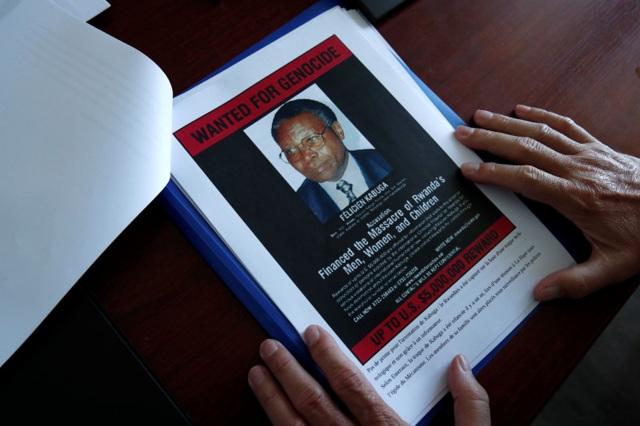
Accusations and stakes
Kabuga was charged with genocide, conspiracy to commit genocide, incitement to genocide, and crimes against humanity including persecution, extermination, and murder committed during the 1994 genocide against the Tutsi in Rwanda. The UN said an arrest warrant was issued by the ICTR on 29 April 2013, and it said Kabuga was arrested on 16 May 2020 in France and transferred to the Hague branch of the Mechanism on 26 October 2020.
“The Dutch authorities have commenced the standard procedures and investigations required under Dutch national law.”
Prosecutors accused Kabuga of promoting hate speech through Radio Television Libre des Mille Collines and of helping arm ethnic Hutu militias, and Reuters described him as among the last fugitives sought over the genocide. The Mechanism’s statement said Dutch authorities commenced standard procedures and investigations required under Dutch national law, and it said Kabuga was awaiting provisional release to a State willing to accept him on its territory at the time of his death.