Asia22 April, 20266 min read
Sanae Takaichi Sends Ritual Offering to Yasukuni Shrine as 126 Japanese Lawmakers Visit
Prime Minister Sanae Takaichi sent a monetary offering to Yasukuni Shrine. A cross-party group of 126 Japanese lawmakers visited the shrine.

Offerings and visits
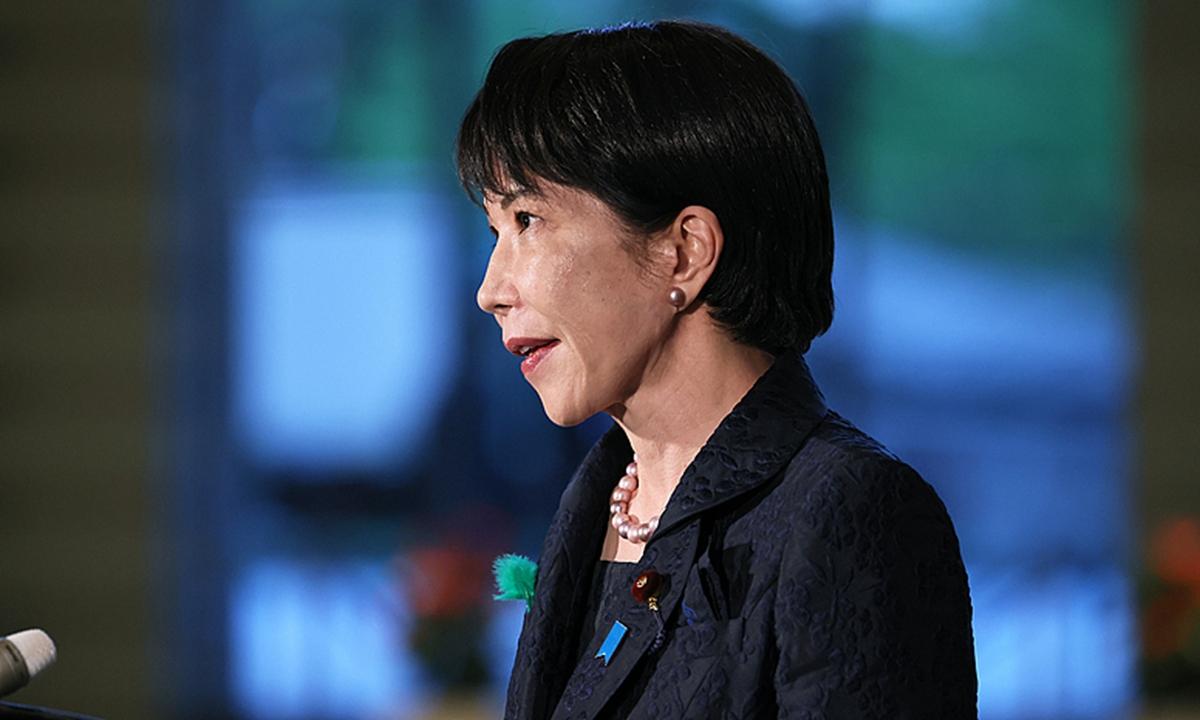
Japanese Prime Minister Sanae Takaichi sent a ritual offering to the Yasukuni Shrine in Tokyo as the shrine began its three-day spring festival, without visiting in person, according to Japan Wire by Kyodo News and Infobae. The offering consisted of sending a "masakaki" tree in her name, and Kyodo News reported that Takaichi is unlikely to visit during the festival this time, citing worsened ties with China since her November remarks on how Japan might respond to a Taiwan emergency. Chief Cabinet Secretary Minoru Kihara told a news conference that Takaichi made the offering in a "private capacity" and that it was therefore not a matter for the government to comment on, while Takaichi said the matter is a "private" matter and would not comment further.
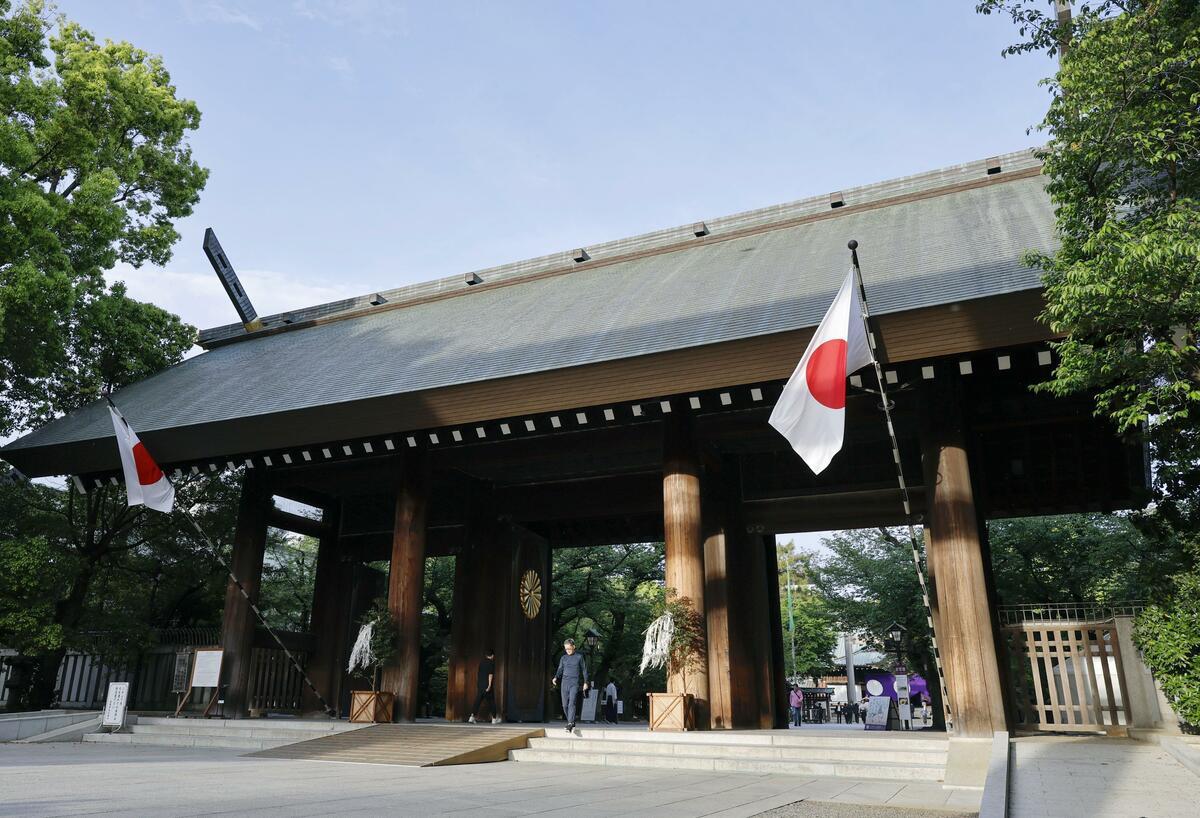
On Wednesday, a cross-party group of 126 Japanese lawmakers visited the shrine in Tokyo on the occasion of its spring festival, with Xinhua reporting the visit through Global Times and CGTN describing the same 126 lawmakers visit. The shrine is located in central Tokyo's Chiyoda Ward, and CGTN described it as honoring Japan's war dead, including 14 Class-A WWII war criminals. The sequence of actions—Takaichi’s offering on Tuesday and the lawmakers’ visit on Wednesday—was framed by multiple outlets as part of the shrine’s spring rite and the political context around it.

What the shrine honors
Multiple reports tied the current spring-festival actions to the Yasukuni Shrine’s long-running role in Japan’s wartime memory politics. Yonhap News Agency said the shrine honors Japanese war dead, including 14 Class A criminals convicted by the Allies in international tribunals for their roles in World War II, and it described the shrine as a war shrine seen as symbolizing, if not whitewashing, Japan's militaristic past. Yonhap also stated that the Yasukuni Shrine honors some 2.46 million Japanese war dead, many of whom are linked to the Pacific War that began in 1941 with Japan's attack on the U.S. naval base at Pearl Harbor.
The Mainichi and Kyodo-based reporting in the Japanese Wire and 毎日新聞 described the shrine as enshrining 14 wartime leaders as deities in 1978, and it said the shrine honors wartime leaders convicted as war criminals by a post-World War II international tribunal. The Global Times and CGTN characterizations described the shrine as a symbol of Japanese militarism and wartime aggression, and they linked it to diplomatic friction with China and South Korea. La Nación, citing AFP, described Yasukuni as "considerado como un símbolo del pasada militarista japonés" and noted that it is controversial in Asia since 1978 when the names of 14 criminales de guerra were inscribed.
Reactions from Seoul and Beijing
South Korea and China reacted to Takaichi’s offering and to the broader pattern of Japanese leaders’ shrine actions, with both governments expressing disappointment and regret. Yonhap reported that South Korea expressed "deep regret" Tuesday after Takaichi sent a ritual offering to the Yasukuni Shrine, and it quoted foreign ministry spokesperson Park Il saying, "We express deep disappointment and regret that responsible leaders in Japan have repeatedly made offerings to or visited the Yasukuni Shrine." Park Il urged Japanese leadership to "squarely face history and show through action humble reflection and genuine atonement for historical issues," and Yonhap said Park emphasized that these would be an important foundation for building future-oriented bilateral relations based on mutual trust.
In the Kyodo-based Japanese Wire report, Chinese Foreign Ministry spokesman Guo Jiakun told a press conference in Beijing that China "firmly opposes and strongly condemns" Japan's actions regarding Yasukuni Shrine, adding that China has lodged a strong protest with Tokyo. Guo also said, "forgetting history means betrayal, and denying responsibility means repeating the crime," and he added that the international community must be highly vigilant against Japan's "historical revisionist tactics." Global Times, quoting Chinese Foreign Ministry spokesperson language, described Japan’s negative moves as an attempt "to evade war responsibilities, an affront to justice, a provocation against Japan's war victims, and a challenge to the outcome of WWII victory."
Japanese lawmakers’ message
While China and South Korea criticized the shrine actions, Japanese lawmakers and officials framed their visits and offerings in terms of honoring war dead and preserving memory. 毎日新聞 reported that Ichiro Aisawa, leader of the group and a veteran House of Representatives member of the LDP, told reporters, "The many war dead laid the foundation for a peaceful and prosperous Japan," adding, "We must firmly pass down the memories and records of war to keep them from fading." The same report said Minoru Kiuchi, the minister of economic and fiscal policy, visited the shrine separately and told reporters that he had offered his "sincere gratitude, with deep reverence, to the spirits of heroes who gave their precious lives for the nation."
It also said from the LDP, policy chief Takayuki Kobayashi visited the shrine, and it described Takaichi sending a "masakaki" ritual offering that day. In the Jiji Press report carried by nippon, Aisawa Ichirō’s group included members from the Liberal Democratic Party, the Constitutional Democratic Party of Japan, and the Nippon Ishin no Kai, and it quoted Aisawa saying, "Los cimientos del Japón estable, próspero y pacífico de hoy fueron colocados por los espíritus de muchos caídos en la guerra" and "Hemos visitado el santuario con la esperanza de que dicha historia nunca se olvide." La Nación’s AFP account quoted Japanese Defence Minister Tomomi Inada, who visited Yasukuni and said, "Al mirar hacia el futuro, ofrezco mis oraciones para edificar la paz en Japón y en el mundo," while also recalling that "Ayer, el primer ministro japonés se expresó en Pearl Harbor para apaciguar los espíritus de los difuntos."
Different counts and framings
The reporting also diverged in how many lawmakers visited and how the actions were interpreted, even when describing the same spring-festival period.
Global Times, citing Xinhua, said "126 Japanese lawmakers" visited the shrine on Wednesday, while CGTN also said "a cross-party group of 126 Japanese lawmakers" visited the shrine in Tokyo.

By contrast, nippon’s Jiji Press report said "Unos 70 diputados japoneses visitan el santuario de Yasukuni" and described "Unos 70 diputados de ambas cámaras de la Dieta" visiting on Tuesday, with the shrine located in the barrio de Kudanshita in the district of Chiyoda.
毎日新聞 described "over 120 Japanese lawmakers" visiting Tokyo's Yasukuni shrine for its spring festival, and it said Minoru Kiuchi visited separately during the three-day event that began Tuesday under Prime Minister Sanae Takaichi's government.
The outlets also differed in emphasis: Global Times and CGTN framed the shrine as "a symbol of Japanese militarism and wartime aggression" and described Chinese experts saying Takaichi’s actions demonstrate Japan’s "entrenched hard-line militarist ideology" and "historical revisionism."
In contrast, La Nación’s AFP account focused on the contrast between Inada’s visit and the pacifist message sent the day before during Abe’s trip to Pearl Harbor with U.S. President Barack Obama, and it quoted Inada’s argument that expressing gratitude and commemorating those who died should be understood by each country.