Business13 March, 20262 min read
Saudi Aramco Negotiates Purchase of Ukrainian Interceptor Drones to Defend Oil Fields From Iran
This article is an automated aggregation of coverage from news outlets. Our editorials offer in-depth analysis curated by the NewsCord team.
Saudi Aramco is negotiating with at least two Ukrainian firms to buy interceptor drones Drones intended to protect oil fields from Iranian aerial attacks
Aramco negotiating deals
Saudi Aramco is negotiating with at least two Ukrainian firms to buy interceptor drones intended to protect its oil fields from Iranian attacks, a move reported via Wall Street Journal sourcing and carried by multiple outlets. Several Ukrainian and regional publications describe Aramco’s talks to secure these systems quickly, citing the company’s goal of shielding facilities against Iranian drone threats and noting that the reports derive from WSJ sources. The coverage frames the procurement as a direct corporate response to rising drone and missile threats in the Gulf rather than solely a state-to-state military purchase.
“Oil giant Saudi Aramco is negotiating with at least two Ukrainian companies to purchase interceptor drones that could help protect its oil fields from Iranian attacks. The Wall Street Journal writes about this, citing sources, reportsUNN.”
Which drones and makers
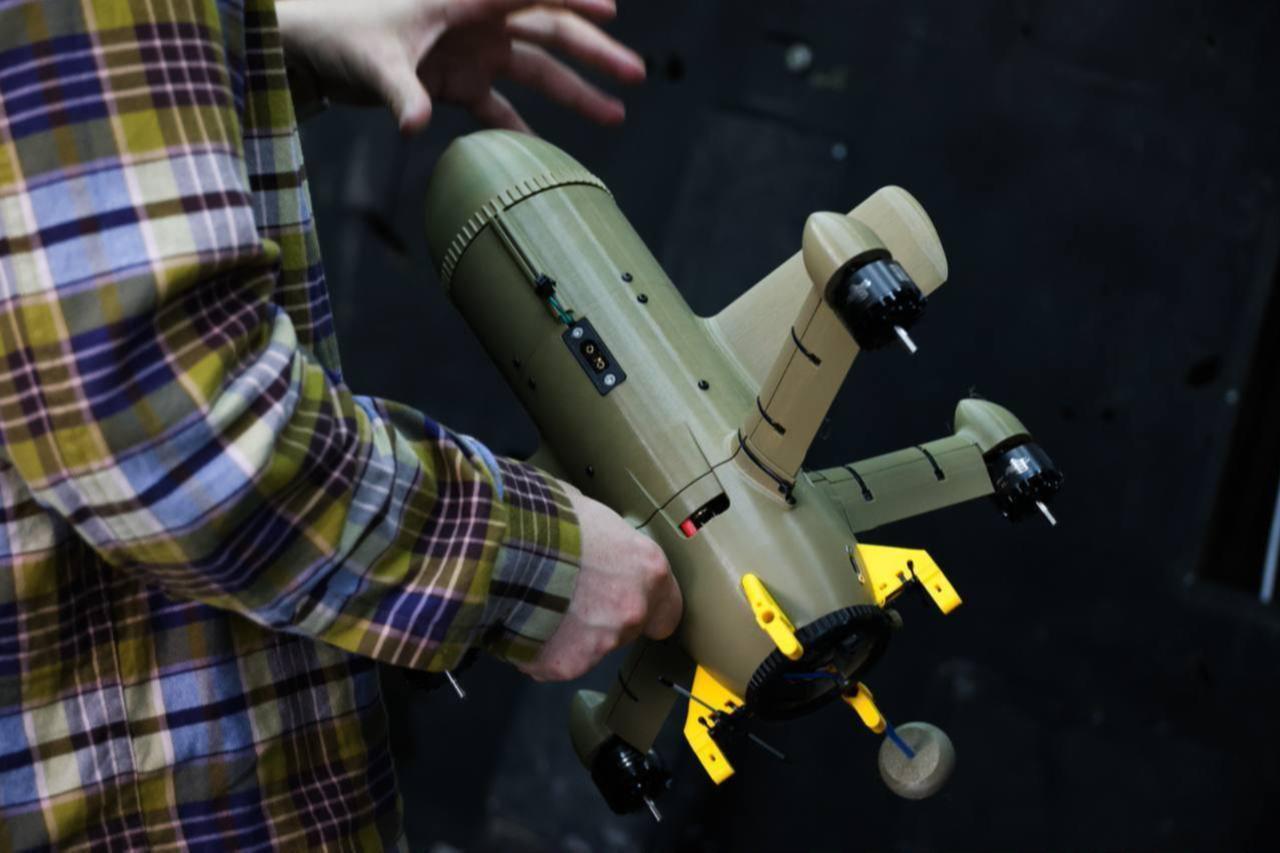
The Ukrainian manufacturers named in reporting are SkyFall and Wild Hornets, whose interceptor models are described as ramming or detonating near attacking drones, and specific platforms cited include SkyFall’s P1-SUN and Wild Hornets’ Sting.
Local defence reporting and mainstream outlets emphasize the kinetic interception tactics used by these systems, portraying them as designed to disrupt or destroy hostile drones at combat range.
Urgency and government talks
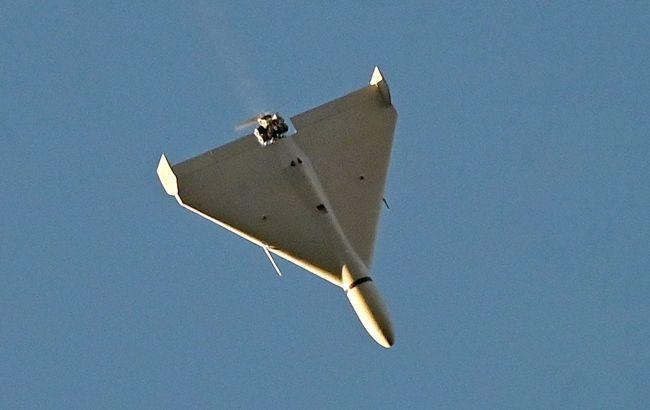
Reporting highlights urgency: Aramco is described as rushing to secure supplies ahead of governments and regional competitors such as Qatar, while the Saudi government itself is separately talking with Ukraine and with Phantom Defense about electronic-warfare systems to block drone communications.
“The company is rushing to secure drones, ahead of its own government and regional competitors, including Qatar. Aramco is negotiating with Ukrainian companies SkyFall and Wild Hornets, which produce interceptor drones.”
Multiple outlets stress that Aramco’s corporate procurement is happening in parallel with state-level discussions about both interceptor drones and EW solutions.
Security context and threats
The procurement push is framed against a backdrop of recent attacks and longstanding vulnerability of Gulf energy infrastructure: outlets cite a strike on the Berri oilfield that Saudi officials said was likely launched by Iran, a pattern of Iranian strikes on Gulf energy targets, and the 2019 Abqaiq and Khurais attack that temporarily removed roughly half of Saudi output.
Analysts and company executives quoted in reporting warn that continued regional hostilities could have major economic consequences.
Demand and export limits
Sources also underline growing regional demand and regulatory constraints: Ukrainian firms report queries from multiple Gulf states and say they need government permits before exporting, while separate coverage notes Ukraine’s broader defence industry engagement including participation in U.S. programs.
“SkyFall, which manufactures P1-SUN interceptor drones, told Militarnyi.ua that many Middle Eastern countries have approached them for help, but they are not yet ready to disclose which ones.”
Reports list substantial purchase requests from other Gulf buyers and flag the need for export approvals as a potential bottleneck for rapid deliveries.