Shabana Mahmood’s National Security Bill Targets IRGC Proxy Groups, Keir Starmer Cites Iranian-Sponsored Terrorism
Key Takeaways
- IRGC warns of a new, decisive retaliation against any aggression.
- Resistance Front unity and cohesion are stronger than ever; focus on Hezbollah support.
- IRGC asserts strategic deterrence and readiness to respond decisively to threats.
Britain targets Iranian proxies
Britain’s government introduced the National Security (State Threats) Bill, described as giving “the Home Secretary new counter terrorism-style powers to stand up to foreign state organisations” and “proxy groups acting on their behalf,” with the law potentially coming into force as early as next month.
The bill would allow Home Secretary Shabana Mahmood to “designate bodies… if they reasonably believe a body is, or has been, involved in foreign power threat activity,” which is “equivalent to proscription under the Terrorism Act 2000,” and it creates three new offences including inviting or expressing support for, materially assisting, and obtaining material benefits from a designated body.
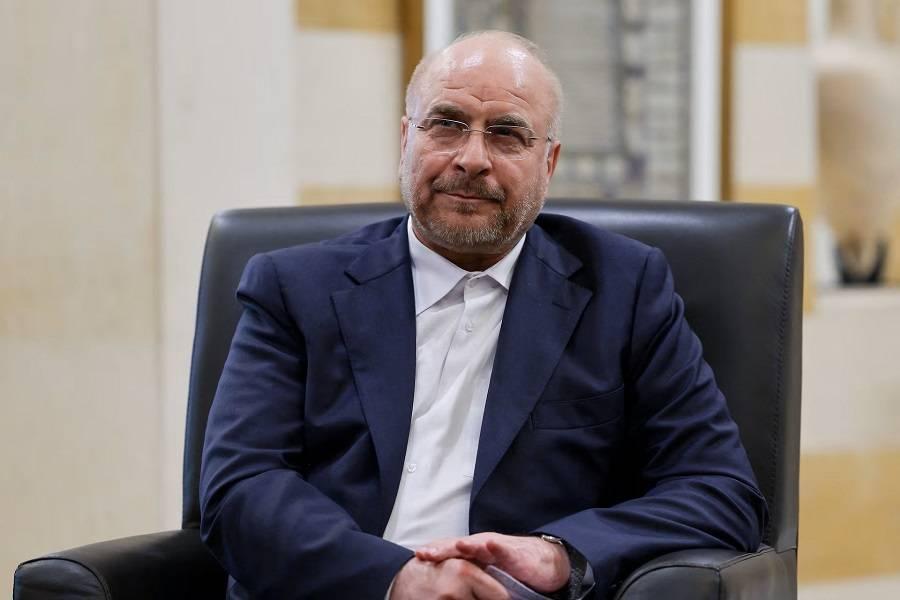
Those convicted can receive up to 14 years in prison, and Keir Starmer explicitly cited “the recent wave of Iranian-sponsored terrorism in Britain” as the trigger for the bill.
The UnHerd piece frames the IRGC as “the backbone of the Iranian regime and the principal vehicle for exporting its Islamist ideology abroad,” describing Tehran’s use of intermediaries and naming Harakat Ashab al-Yamin al-Islamiyya (Hayi) as an online group “widely suspected of serving as an IRGC proxy.”
Quds Force stresses unity
In separate statements carried by Mawazin News - Al-Alam and Mehr News Agency, the commander of the Quds Force of the Islamic Revolutionary Guard Corps, Ismail Qaani, said the “Axis of Resistance” is more united and cohesive than ever.
Mawazin News - Al-Alam quotes Qaani saying the focus today is on supporting Hezbollah and other components of the resistance front, while also asserting that the “Zionist entity has not ended any war in recent decades by achieving its goals.”

Mehr News Agency likewise reports Brigadier General Esmaeil Qa’ani saying “Unity and cohesion across the entire Resistance front are stronger and more solid than ever,” and it repeats his claim that “The defeat in southern Lebanon is a continuation of this historical fate.”
The same Mehr News Agency report ties the statements to a broader narrative of resilience, with Qaani affirming that the resistance front remains focused on Hezbollah and other components as it faces “current challenges.”
Israel blames Tehran; IRGC vows response
In a video message reported by ایران اینترنشنال, Prime Minister Benjamin Netanyahu told the Lebanese people that Israel is not at war with them but fighting Hezbollah, which he described as holding Lebanon hostage, taking orders from Tehran, and using Lebanese territory to launch attacks against Israel.
Netanyahu also warned, “We will find them wherever they are,” and he said Hezbollah is weaker than at any time while Israel is stronger than at any time, adding that Israel has killed about 10,000 of the group’s members and is systematically working to cleanse southern Lebanon.
PressTV reports that the IRGC said Iran stands in a “stronger, more prepared, and more deterrent position than ever before,” maintaining “complete intelligence dominance over enemy movements” and remaining “with fingers on the trigger.”
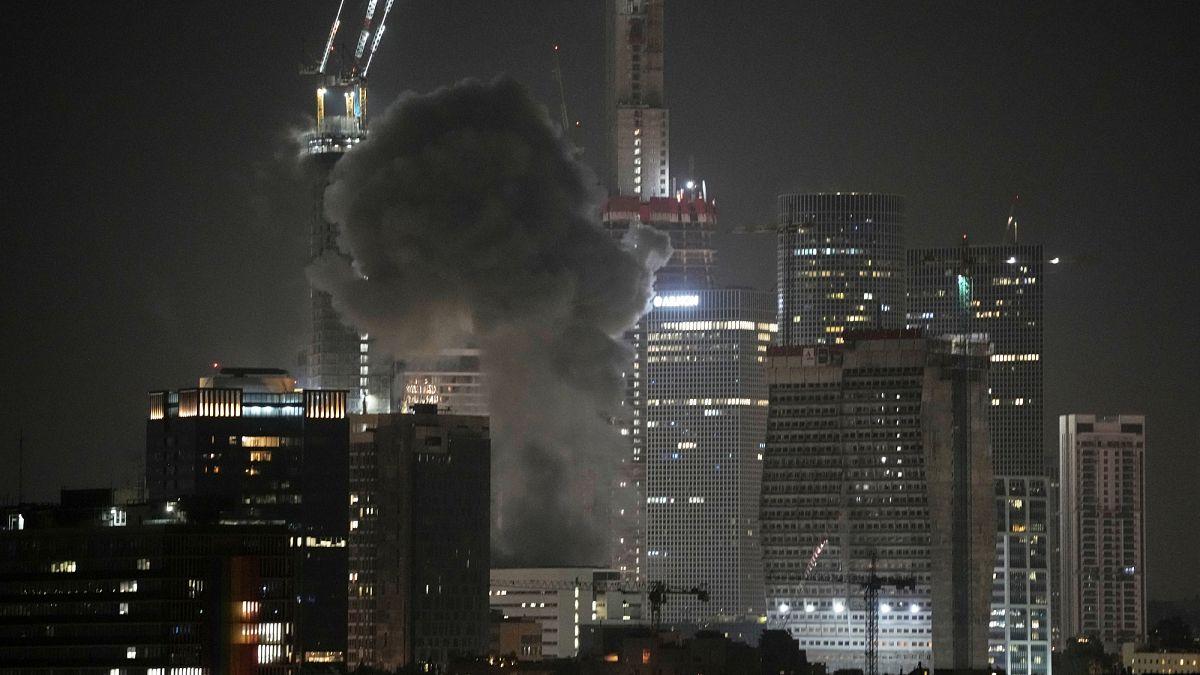
The PressTV account adds that in the past 24 hours the IRGC and the Iranian military carried out coordinated strikes on 18 US military targets across the region, including airbases in Kuwait and Bahrain, and it says the IRGC launched 12 ballistic missiles at the US-operated al-Azraq air base in Jordan.
PressTV further states that the IRGC Aerospace Force commander warned that any attempt to threaten the strategic waterway would turn the region into “hell” for the aggressors, as it describes Iran’s posture amid US and Israeli actions around the ceasefire.
More on Iran
Trump Calls Off Strikes Against Iran After Threatening Kharg Island Takeover
12 sources compared

Iran Launches Missiles at Bahrain, Jordan, and Kuwait After U.S. Strikes
17 sources compared

Iran Threatens Elon Musk Companies, Including Starlink, As Military Targets In West Asia
16 sources compared
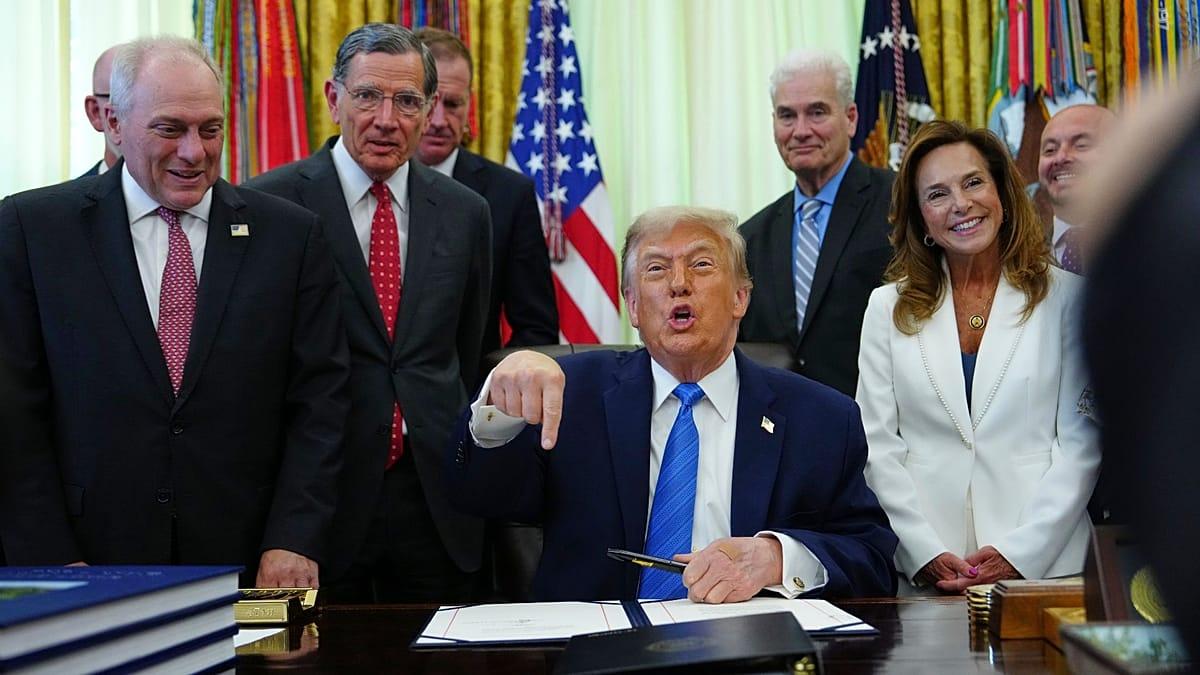
Trump Says U.S. And Iran Could Sign A Deal In Days, Calls Off Strikes
47 sources compared