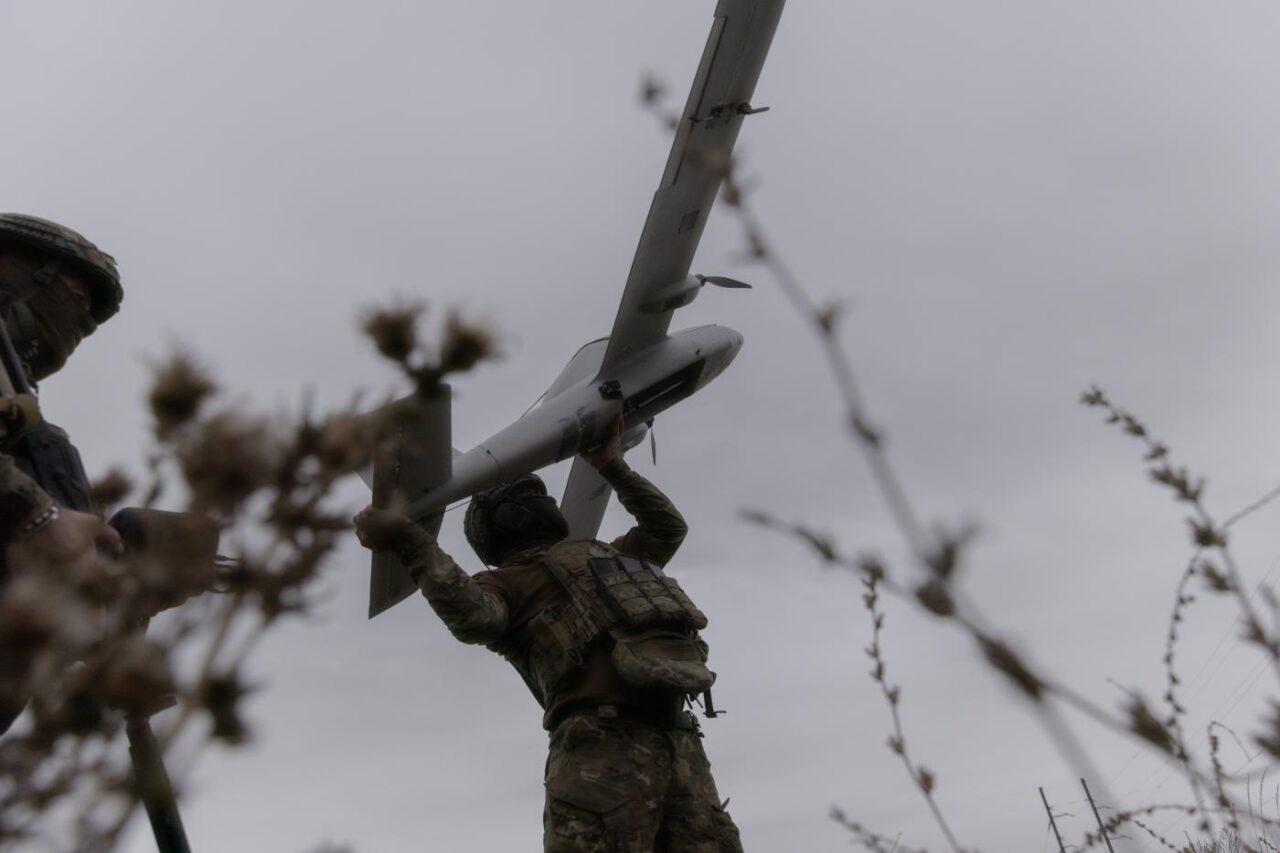
Shahed-101 Drone Variant Uses Electric Motor, Making Ukraine’s Air Defenses Harder To Detect
Key Takeaways
- Shahed-101 variant uses electric motor and battery, increasing stealth.
- Drone sightings across Europe are rising, prompting NATO readiness and defense forums.
- Ukraine-EU security link strengthens amid drone threats and Europe's defense planning.
Drone shift over Ukraine
Ukraine’s drone war is evolving as a new version of the Shahed-101 has been spotted in the skies over war zones, with Le magazine GEO saying it uses an electric battery motor instead of an engine fueled by gasoline.
“- Published This week, with air raid warnings wailing in the distance, Kyiv held a funeral for two sisters”
Le magazine GEO reports that Ukrainian expert Serhiy Beskrestnov said, "Il est très silencieux. Sans bruit de moteur ni d'échappement, l'appareil est beaucoup plus difficile à repérer, surtout la nuit", describing how the change complicates detection systems that rely on sound.
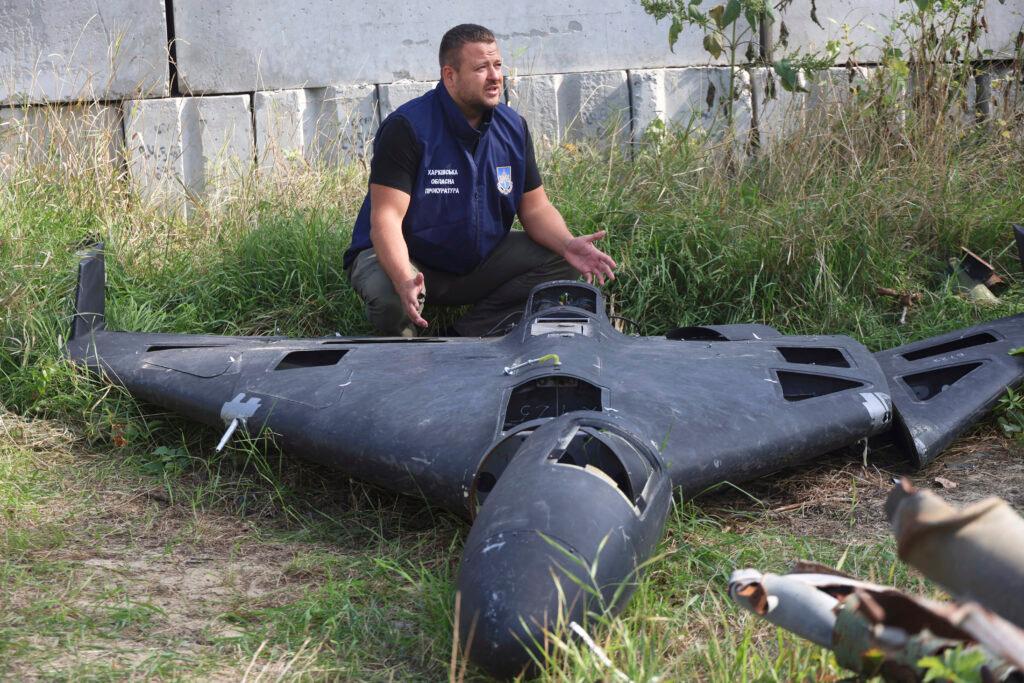
The same article says the earlier Shahed models produce a noise often compared to a scooter, which soldiers and civilians can hear arriving from several kilometers, while the new model produces only a slight buzzing.
Le magazine GEO adds that the Shahed-101 is relatively simple, with fixed wings and a V-tail, can be launched from small mobile ramps, and typically carries an explosive charge of about eight kilos.
It also says the drone can fly at nearly 120 km/h and reach several thousand meters of altitude, making it aimed at command posts or military installations, with the article framing the shift as a challenge for air defenses built around acoustic detection.
Europe tests and responses
As Russian drone activity spreads across Europe, Il Giornale says NATO repeats that it does not seek confrontation with Moscow but guarantees readiness against air, land, and maritime violations, while it also quotes Lavrov warning, "Every aggression against Russia will receive a decisive response."
Il Giornale reports that Zelensky wrote on social media that "92 drones were aimed at Poland. We intercepted them over Ukrainian territory; 19 reached Polish airspace," adding that "Italy could be next" as he described a testing of European readiness.
The same article says sightings were investigated near Norway’s main F-35 base at Orland, and it describes a drone over Amsterdam’s Schiphol Airport that kept a runway closed for about 45 minutes after observers spotted it.
In the background of those incidents, Le magazine GEO frames the Shahed-101’s quieter operation as undermining acoustic sensor networks, pushing defenders to rely more on radars or thermal cameras.
Together, the accounts depict a widening contest over detection and interception, with Ukraine’s experience and European readiness becoming part of the same operational question.
Ukraine drone-proofing and scale
Ukraine’s efforts to drone-proof its skies are described by the BBC as combining layered air defenses with both Western-supplied systems and home-grown solutions, including cheap, mass-produced interceptor drones.
“Ieri i servizi di sicurezza polacchi hanno fatto sapere di aver “neutralizzato” un drone mentre sorvolava siti governativi sensibili a Varsavia, tra cui il Belweder Palace, residenza ufficiale del presidente Karol Nawrocki”
The BBC says President Volodymyr Zelensky reported that "94% of those long range drones and 73% of the missiles were successfully intercepted" during a period described as the largest sustained Russian aerial assault so far, involving 1,500 drones and 56 missiles fired within 48 hours.
The BBC quotes Lt Col Yuriy Myronenko, an inspector general at Ukraine’s Ministry of Defence, saying, "We are now, unfortunately, the best in the world," while also noting that shooting down Russia’s ballistic missiles "is not so easy".
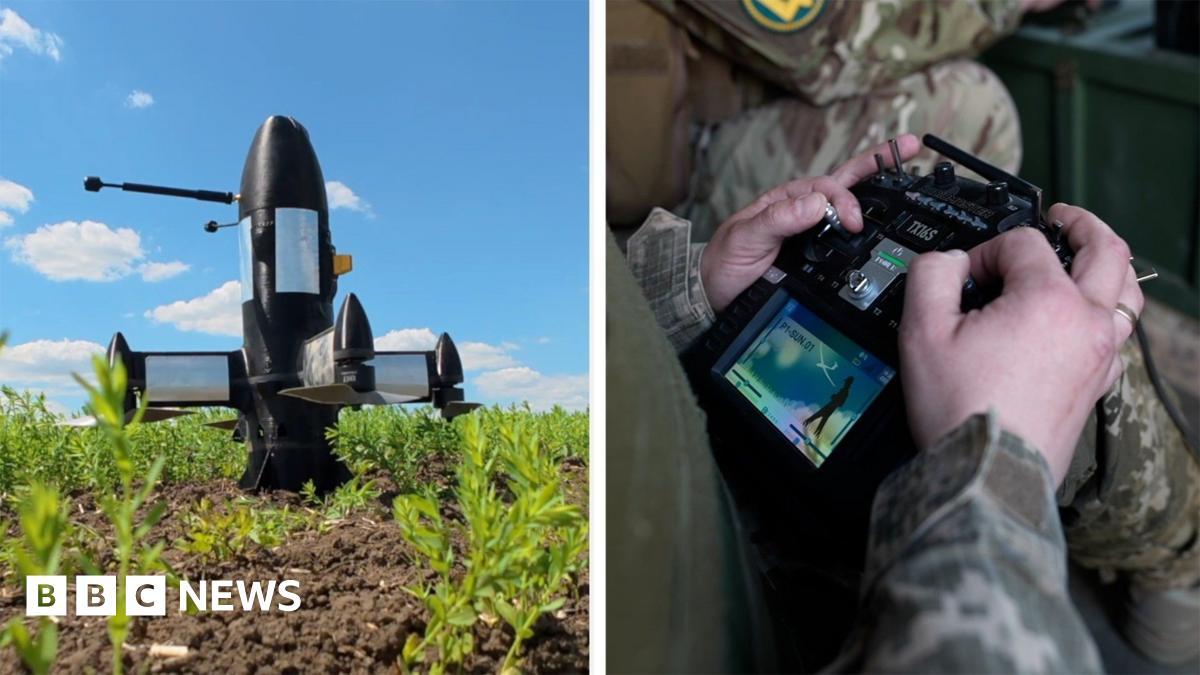
The article details that Ukraine is producing more than 1,000 interceptor drones a day, and it says that in March they destroyed more than 30,000 Russian drones, according to Ukraine’s air force.
It also describes a field demonstration outside Kherson by Ukraine’s Marine Corps Unmanned Systems Regiment, where the commander calls the P1-SUN interceptor a "very serious weapon" and the BBC reports it can reach speeds of more than 300km/h with a range of more than 30km.
More on Ukraine War
Lithuanian Leaders Take Shelter as NATO Jets Monitor Drone Alert Near Belarus Border
19 sources compared

Russia Presses Toward Kharkiv as Vovchansk Fighting Continues, BBC Reports
12 sources compared

Russia and Ukraine Shift to Ground Drones, Including Malvina-M and Droid TW 12.7
18 sources compared

Thirty-Six Countries Approve Special Tribunal to Prosecute Vladimir Putin for Ukraine Invasion
12 sources compared