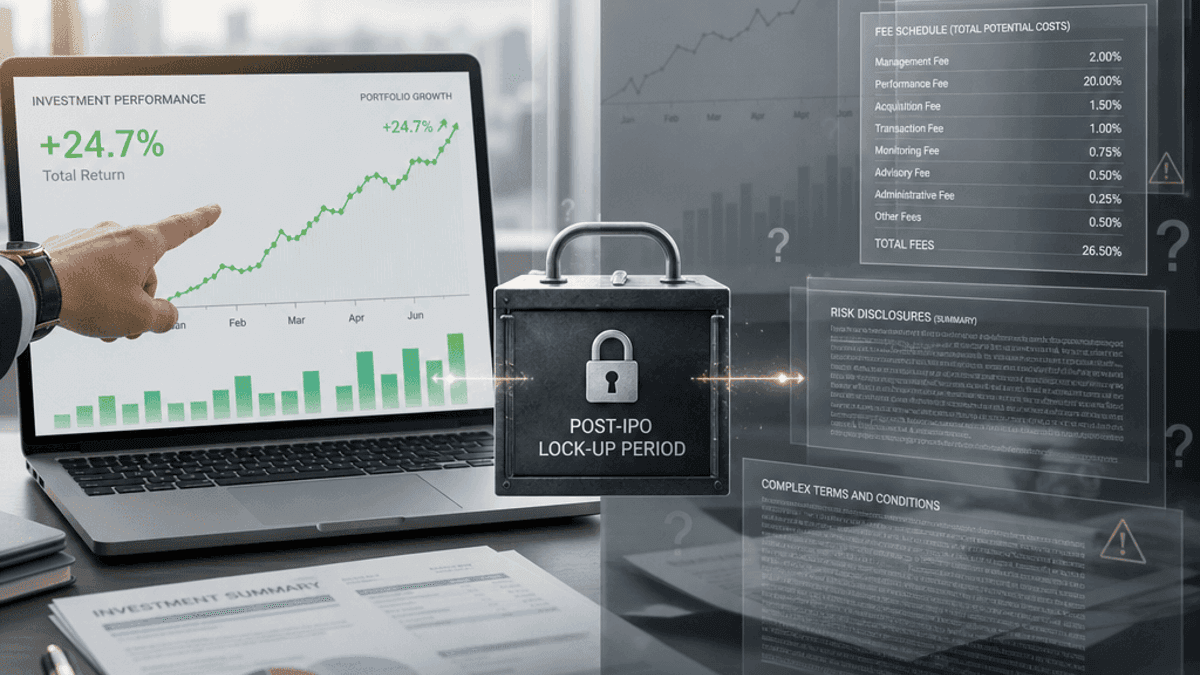
SpaceX IPO Leaves SPV Investors Unsure Of Share Entitlements Until Lock-Ups Lift
Key Takeaways
- Allocation uncertainty for SPV investors; some may receive no shares.
- True SPV holdings revealed only after post-IPO lock-ups lift.
- Hidden fees, payout delays, and fraud risk for lower-tier SPV investors.
IPO unlocks hidden SPV risk
SpaceX is set to make its public debut on Friday, but some investors who backed the company through special purpose vehicles (SPVs) still do not know how many shares they are entitled to or whether they will receive any shares at all.
“SpaceX is set to make its public debut on Friday, but a significant number of investors who backed the company through special purpose vehicles (SPVs) still do not know how many shares they are entitled to — or whether they will receive any shares at all”
TechCrunch said the situation is driven by an unprecedented case of an IPO with multiple layers of SPVs, with investors in an SPV sometimes forming a new SPV from their shares and creating a structure stacked four or five layers deep.
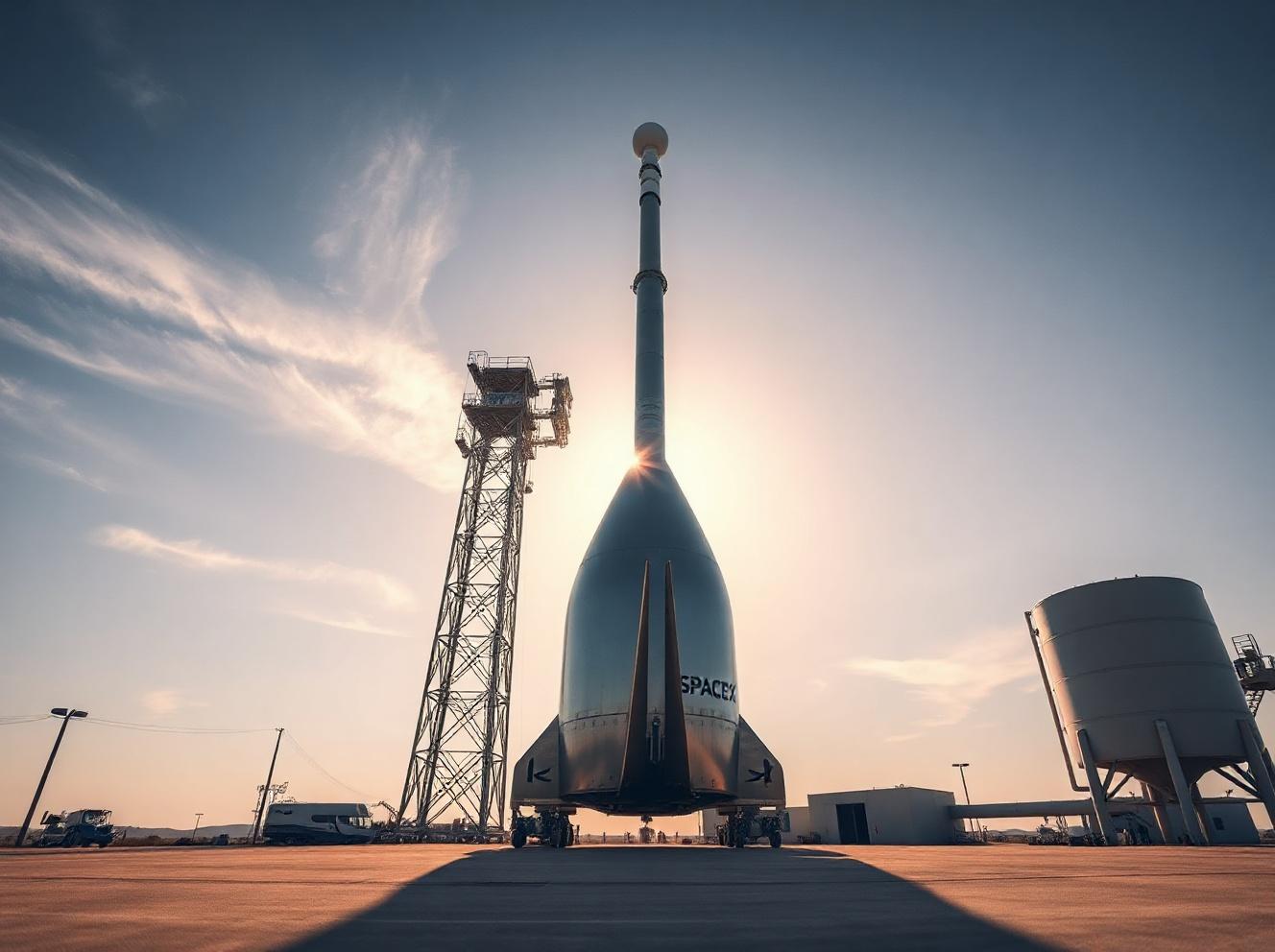
TechCrunch also reported that in most situations investors won’t learn how many SpaceX shares they actually own until the company’s rolling lock-ups, scheduled to take place over about four months, begin to lift.
Justin Ernest, founder and managing partner of Sabertooth Capital, said the first-layer SPV will have 30 days to distribute stock to its investors, while the bottom SPV layer may have to wait eight or nine months for final disbursement.
TechCrunch added that SPV managers won’t begin distributing shares to investors in these vehicles until they get access to the shares themselves, because lock-up agreements prevent insiders, including employees, their friends and family, and venture investors, from selling shares for a set period after an IPO.
Fees, communication, fraud fears
A secondary investor who asked to remain anonymous told TechCrunch that some investors in “messy” multi-layered SPVs will be surprised to learn that some of the shares they expect to get will be “eroded by fees” pocketed by the SPV.
The same investor described the problem as a “communication train,” saying, “Problem is you have a communication train with each person only knowing what’s going on in the layer above them,” as each layer waits on the one above it.

TechCrunch also framed the biggest concern for downstream SPV investors as the possibility that they may not get any shares in SpaceX at all.
Giovanni Pennetta, the manager of Sestante Capital, was sentenced to four years in prison for fabricating access to non-existent allocations in the defense tech company Anduril, and TechCrunch said the fear is that Pennetta is not the only deceptive sponsor.
Idan Miller, managing partner at Unicorns Exchange, told TechCrunch that once the lock up of the shares is removed and these SPVs start selling, “there will be some vehicles that will be revealed as scammers or fraud,” raising the prospect of more bad actors coming to light.
Regulatory test and investor stakes
TechCrunch said SpaceX will be the first major test of the legitimacy of multi-layer SPV structures, especially after Anthropic and Anduril announced they are disallowing these structures.
“Many retail investors in chained SPVs may not know their true allocation after SpaceX’s IPO”
Bitcoin World similarly described the uncertainty as stemming from complex, multi-layered SPV structures that have formed around SpaceX, creating a web of uncertainty that could take months to unravel.
Bitcoin World reported that nearly a dozen SPV managers and secondary market investors said backers in lower-tier vehicles may find they own fewer shares than they think—or, in rare cases, that they may not receive any shares at all.
In the same reporting, Bitcoin World said that in most situations these investors will not learn their actual holdings until the company’s rolling lock-ups, scheduled over about four months, begin to lift, because SPV managers will not start distributing shares to their investors until they gain access to the shares themselves.
TechCrunch concluded that the biggest concern for downstream SPV investors is that they may not get any shares in SpaceX at all, making the post-IPO unlocking period a decisive moment for whether investors receive the allocations they expected.
More on Finance

U.S. Treasury Considers Using Iranian Assets To Help Gulf Allies Rebuild War Damage
24 sources compared

JPMorgan Chase, Bank of America, and Citibank Plan Tokenized Deposit Network With The Clearing House
14 sources compared
Ramp Raises $750M at $44B Valuation, Led by ICONIQ, GIC, and Ontario Teachers’ Pension Plan
10 sources compared
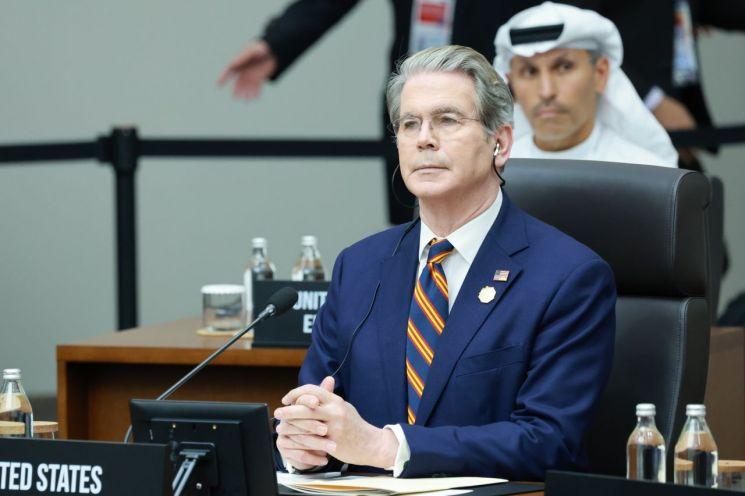
Scott Bessent Shuts Down Iranian Airlines, Sanctions Persian Gulf Strait Authority
10 sources compared