
WHO Raises Ebola Risk to Very High in Democratic Republic of Congo, Cites 177 Deaths
Key Takeaways
- WHO raised DR Congo outbreak risk from high to very high at national level.
- Outbreak involves Bundibugyo Ebola virus, a rare strain identified in DRC.
- Approximately 750 suspected cases and 177 deaths across DRC and Uganda.
WHO raises Ebola risk
The World Health Organization said Friday that the public health risk from the Ebola outbreak in the Democratic Republic of Congo has been raised from "high" to "very high" at the national level, while the risk in the wider region remains "high" and the risk globally remains "low."
“Ebola risk raised to 'very high' in DR Congo The public health risk from the current Ebola outbreak in the Democratic Republic of Congo has been raised from "high" to "very high" by the World Health Organization (WHO)”
WHO head Dr Tedros Adhanom Ghebreyesus said at a Friday update that "We are now revising our risk assessment to very high at the national level, high at the regional level, and low at the global level."
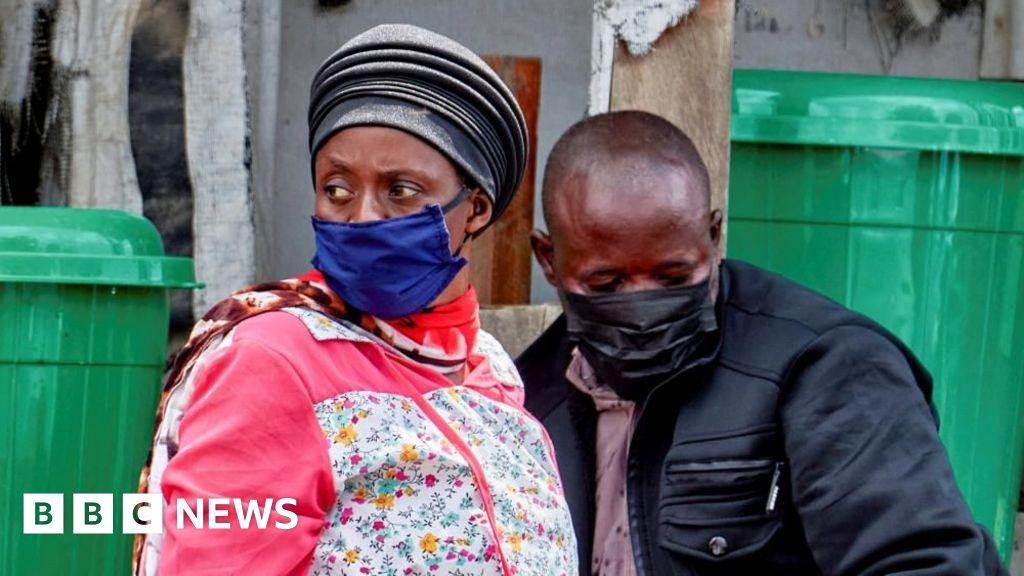
The outbreak has been linked to nearly 750 suspected cases and 177 deaths in the Democratic Republic of Congo, with 82 confirmed cases and seven confirmed deaths also cited by the WHO.
The WHO said the rare Bundibugyo strain has no proven vaccine, and the BBC reported that animal testing is already under way in Oxford while a separate experimental Bundibugyo vaccine is expected to take six to nine months for any dose to be ready for testing.
No vaccines, trials planned
The WHO said there is currently no vaccine or specific treatment for the Bundibugyo strain, even as it allocated $3.9 million from its Contingency Fund for Emergencies to support response efforts.
The WHO’s emergency alert and response director Abdi Rahman Mahamud said, "The potential of this virus spreading rapidly is very high, and this changed the whole dynamic," as the agency worked to expand surveillance and contact tracing.

Digital Journal reported that WHO is prioritising existing treatments by planning clinical trials for two monoclonal antibodies, Regeneron 3479 and Mapp Biopharmaceutical’s MBP134, and evaluating the oral antiviral obeldesivir as post-exposure prophylaxis for high-risk contacts.
The WHO’s chief scientist Sylvie Briand said the Ervebo vaccine works against the Zaire strain but there is "very little evidence of cross-protection for Bundibugyo," and Briand said a Bundibugyo-specific equivalent could take six to nine months to develop.
Violence and distrust
The WHO warned that violence and insecurity in the war-ravaged region are hampering the response, and the BBC reported that protesters set fire to tents run by a medical charity at Rwampara after a dispute over a suspected Ebola death.
“Michelle Gavin is the Ralph Bunche senior fellow for Africa policy studies at the Council on Foreign Relations”
Dr Tedros Adhanom Ghebreyesus said the situation was "especially challenging" as health workers scramble to catch up with the spread of the virus and track down contacts in highly insecure areas.
The Guardian reported that WHO leaders said the outbreak is spreading rapidly and that Tedros warned that "significant distrust of outside authorities among the local population" was causing issues for the response, while Dr Anne Ancia said the incident in Rwampara would "significantly jeopardise" the response operation.
In its opening remarks on May 20, the WHO said the outbreak does not constitute a pandemic and cited multiple factors giving rise to "grave concern," including that the outbreak is caused by the Bundibugyo virus with "no approved treatments or vaccines" and that Ituri Province is facing severe insecurity due to fighting since late 2025.
More on Technology and Science

WHO Upgrades Ebola Risk in Democratic Republic of the Congo to ‘Very High’
12 sources compared

Google Redesigns Search Box With Multimodal Inputs, AI Overviews, and Agentic Tasks
10 sources compared
Trump Sets Artemis Return To Moon In 2028, Delaying Astronaut Launches
15 sources compared

SpaceX Files for Nasdaq IPO as Elon Musk Controls 85.1% Voting Power
12 sources compared