Storm Pounds U.S. Midwest with Snow and Winds as Hawaii Faces Severe Flooding
Key Takeaways
- Heavy snow blankets the Upper Midwest, while damaging winds lash the Plains.
- Hawaii continues to endure severe flooding from the storm.
- Forecasters warn storms could spread east Monday, bringing thunderstorms and possible tornadoes Sunday.
Widespread Storm System
A widespread and erratic severe weather system pounded multiple regions across the United States on Sunday.
“Snow and wind batter parts of US, with threat of thunderstorms and tornadoes starting later Sunday Snow and wind batter parts of US, with threat of thunderstorms and tornadoes starting later Sunday CHICAGO (AP) — A broad and erratic patchwork of severe weather rumbled across much of the U”
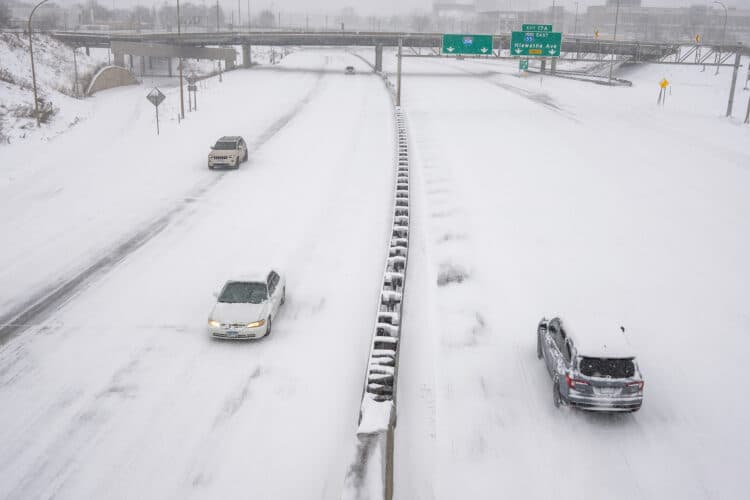
The storms brought heavy snow and impassable roads to the Upper Midwest while damaging high winds swept across the Plains.
Hawaii continued to battle severe flooding and portions of the mid-South prepared for thunderstorms.
Forecasters described this as successive punches of snow, wind and severe weather that were set to impact the eastern half of the United States.
Meteorologists warned that major airports would likely be affected by the various storm components.
The system demonstrated the unpredictable nature of severe weather patterns affecting everything from transportation infrastructure to residential safety across multiple states simultaneously.
Midwest Snow Impacts
The Upper Midwest experienced particularly devastating snowfall, with an area from central Wisconsin to Michigan's Upper Peninsula expecting over 2 feet of snow and higher isolated totals on the peninsula.
Meteorologists reported more than 20 inches of snow had already fallen in portions of southeastern Minnesota and western Wisconsin by Sunday afternoon.
Transportation officials warned of worsening conditions with low visibility and snow-covered roadways.
Local residents described the storm as one of the worst they had seen in years.
Wisconsin snowplow driver Aaron Haas noted the extreme difficulty of the conditions, stating 'You can't see anything when you're on the highways outside of the city'.
Residents in affected areas stocked up on necessities and prepared to hunker down for several days as the storm continued to intensify.
Hawaii Flooding Crisis
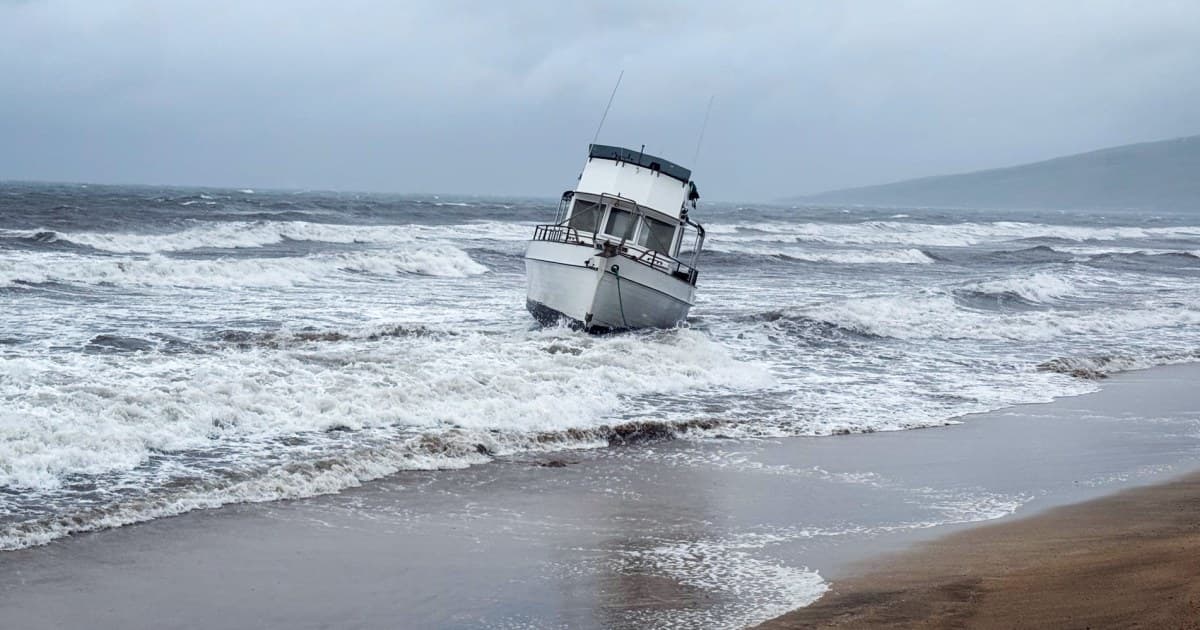
Hawaii faced a separate but equally severe weather crisis as torrential rainfall caused extensive flooding, landslides, and infrastructure damage across the islands.
“CHICAGO — A broad and erratic patchwork of severe weather rumbled across much of the U”
Maui County Mayor Richard Bissen reported that some areas received more than 20 inches of rain, leading to 'flooding, landslides, sinkholes, debris and downed power lines across the county.'
Emergency responders conducted multiple floodwater rescues as the Hawaiian emergency management agency reported rain falling at rates of 1 to 2 inches per hour overnight.
The extreme weather caused significant structural damage, with Maui residents Tom and Carrie Bashaw losing part of their home's backside to rising waters.
Coastal infrastructure also suffered, with video footage showing washed out or collapsed roads and cars stuck by floodwaters.
Hawaii residents expressed shock at the unprecedented scale of the flooding, with one local stating, 'In the 20 years I've been here I've never seen this much rain.'
The situation prompted emergency officials to open shelters and continuously monitor water levels in retention basins.
Eastward Storm Threats
As the storm system moved eastward, forecasters warned of increasingly severe conditions developing across the Eastern United States.
The weather service predicted a line of severe storms with damaging winds would cross much of the Eastern U.S. by late Monday, beginning Sunday afternoon.
The storms were expected to move through the Mississippi, Tennessee and Ohio valleys before entering the Appalachians early Monday.
A stretch from parts of South Carolina to Maryland appeared most likely to experience the greatest damaging winds Monday afternoon.
Forecasters warned of 'severe thunderstorms with widespread damaging winds and several tornadoes' in the region.
Officials took preemptive measures, closing schools in Raleigh and Chapel Hill, North Carolina and urging residents to enable emergency alerts.
Nebraska officials also faced challenges as Governor Jim Pillen urged residents to follow evacuation orders while warning of 'extraordinary' winds amid ongoing wildfires.
Travel and Power Disruptions
The widespread severe weather caused significant disruptions to air travel and power infrastructure across multiple states.
“Snow and wind batter parts of US, with threat of thunderstorms and tornadoes starting later Sunday Snow and wind batter parts of US, with threat of thunderstorms and tornadoes starting later Sunday CHICAGO (AP) — A broad and erratic patchwork of severe weather rumbled across much of the U”
Flight cancellations mounted as major airports struggled to cope with the various storm components.
More than 600 flights were canceled at Minneapolis-Saint Paul International Airport on Sunday, with dozens more scrapped through Detroit.
Chicago's O'Hare and Midway international airports reported over 850 cancellations as rain and snow continued overnight.
Power outages affected hundreds of thousands of customers, with more than 210,000 utility customers in six Great Lakes states without electricity.
Some outages originated from earlier high winds that reached 85 mph in the region on Friday.
The combination of snow, wind, and flooding created a complex emergency situation affecting millions of Americans across the country.
Emergency Response Efforts
Emergency responders and government officials across multiple states implemented various measures to address the complex weather emergency.
Nebraska deployed about 30 National Guard members to combat multiple wildfires across a broad swath of range and grassland.
Three of the largest wildfires had damaged more than 900 square miles as of Saturday, with one fire-related fatality reported Friday.
Hawaii officials worked continuously to pump water from retentions basins to keep them at safe levels.
Maui County later downgraded an evacuation notice as conditions began to improve slightly.
Local residents took individual preparedness measures, with Wisconsin resident Jim Allen noting his family was 'basically prepared to just kind of hunker down for a few days if we need to.'
The coordinated response highlighted the challenges of managing multiple simultaneous weather emergencies across different geographical regions.
More on USA

King Charles and Queen Camilla Lay Flowers at New York’s 9/11 Memorial
10 sources compared

RSF Warns Press Freedom Hits Lowest Level in 25 Years, Trump’s US Drops to 64th
10 sources compared

Donald Trump Says U.S. Is Studying Troop Reduction in Germany After Spat With Friedrich Merz
28 sources compared

King Charles III Delivers Joint Address to Congress in Washington, Cites Bonds With United States
11 sources compared