
Sudan Urges UN Intervention to Free 19,800 Prisoners Held by Rapid Support Forces in Darfur
Key Takeaways
- More than 20,000 prisoners detained by the RSF.
- Sudan calls for urgent UN intervention to secure prisoner releases.
- Fighting persists between RSF and the army in Khartoum and Blue Nile.
Darfur prisons and UN plea
Sudan’s government urged the United Nations to intervene to secure the release of more than 20,000 prisoners held by the Rapid Support Forces in prisons in the states of South and North Darfur, according to a letter sent by Sudan’s Permanent Representative to the UN, Al-Harith Idris, to UN Secretary-General Antonio Guterres and Security Council President Leonor Zalabata Torres.
“The International Committee of the Red Cross (ICRC) in Sudan has said it stands ready to act as a neutral intermediary to facilitate the safe and dignified release and transfer of detainees held by the parties to Sudan’s conflict, if requested to do so”
Idris said the Rapid Support Forces were detaining 19,800 detainees and prisoners in Daqris Prison, including 5,434 civilians from various professions and 690 women, and he said the prison is about 25 kilometers west of Nyala.

The letter described Daqris Prison as a scene of horror where RSF elements commit the harshest forms of torture and widespread abuses, and it said the humanitarian and medical situation inside Daqris is catastrophic, with the prison hospital lacking adequate medical staff and basic medical supplies.
Idris also said the government had received reports of systematic torture and harsh, cruel, and inhuman treatment, including verbal abuse, dehumanizing coercive practices, severe physical violence and beatings, electric shocks, and extinguishing cigarette butts on detainees’ bodies.
The government’s letter further accused the RSF of organ trafficking inside the prison, saying foreign medical staff believed to be from Colombia and Serbia were removing detainees’ organs and that victims were transferred to foreign actors operating in Nyala before being buried inside the headquarters of the 16th Infantry Division.
Battlefronts and detainee diplomacy
While Sudan’s government pressed the UN on detainees held under RSF control in Darfur, it also said the Sudanese army repelled a Rapid Support Forces attack on the strategic town of Amori in Blue Nile state, with the government calling for urgent international intervention to secure the release of thousands of detainees.
The Sudanese army announcement said the troops of the 13th Infantry Brigade stationed in Kuray in the eastern sector managed to thwart an attack carried out by the RSF alongside elements of the Sudan People’s Liberation Movement–North led by Abdul Aziz al-Hilu, specifically forces led by Joseph Toka.
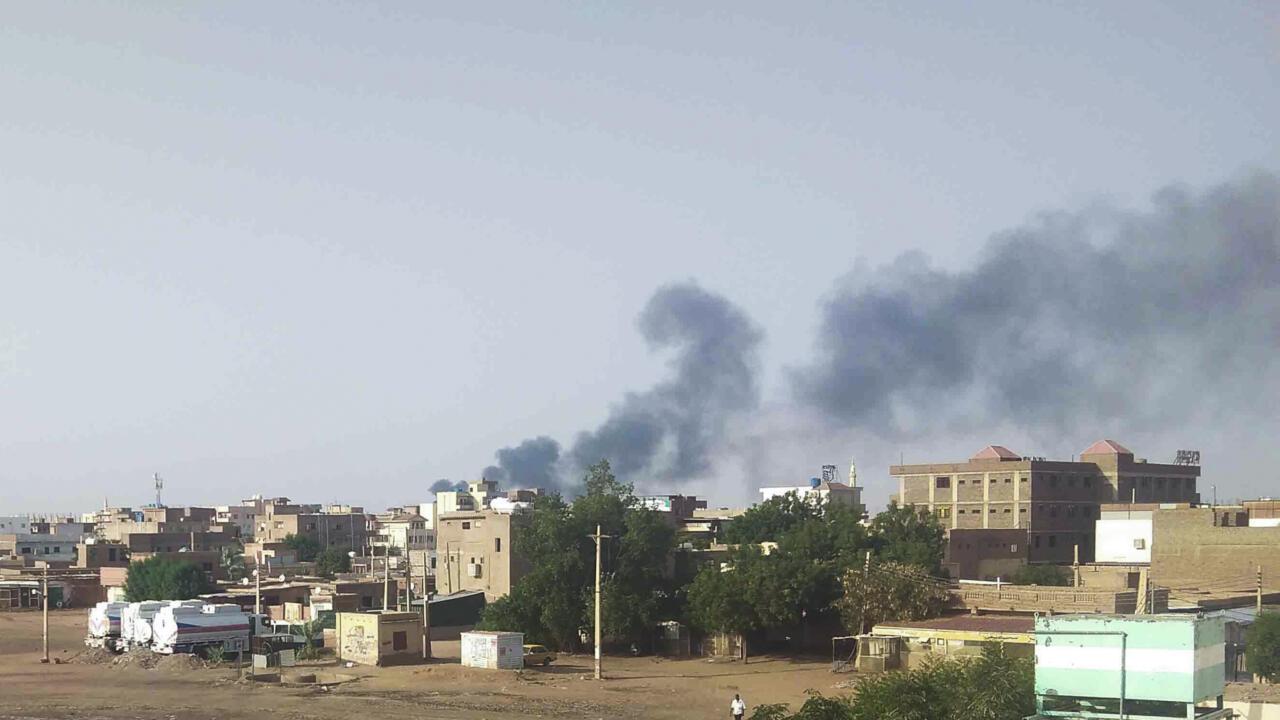
The army statement said the defending forces fought intensive clashes that ended with forcing the attackers to withdraw after suffering heavy losses in lives and military equipment, including the destruction of several fighting vehicles and the seizure of vehicles, weapons and ammunition left behind by retreating forces.
On the diplomatic front, the Sudanese permanent representative to the UN, Al-Harath Idris, sent an official letter to UN Secretary-General Antonio Guterres and to the president of the Security Council, requesting that the letter be circulated to member states and included in Security Council documents.
The same reporting said the letter addressed conditions inside Daqris prison near Nyala in South Darfur and Shalla prison in El Fasher in North Darfur, and it cited Daqris prison as housing about 19,800 detainees and prisoners.
ICRC role and prisoner releases
As Sudan and the RSF discussed detainee issues, the International Committee of the Red Cross said it stands ready to act as a neutral intermediary to facilitate the safe and dignified release and transfer of detainees held by the parties to Sudan’s conflict, if requested to do so.
“The operation to release and repatriate prisoners of war carried out today allows families to be reunited and constitutes an important step toward fulfilling the commitments made in the joint statement, says Mirjana Spoljaric, president of the ICRC”
ICRC spokesperson Farid El Humaid told Radio Dabanga that the organisation remained in close contact with the United Nations and that “Given the sensitivity of the matter and our long-standing practice of confidentiality, we do not comment publicly on any ongoing discussions or potential arrangements.”
El Humaid said that when the ICRC is asked to act as a neutral intermediary, the selection of detainees rests entirely with the parties to the conflict, adding that “The ICRC does not participate in establishing the selection criteria.”
The Sudanese government welcomed what it said was a proposal by the UN secretary general’s personal envoy for Sudan, Pekka Haavisto, to facilitate a prisoner exchange between the Sudanese army and the Rapid Support Forces, with Ambassador Mohi El-Din Salem saying the government welcomed the UN initiative.
In response, the Sudan Founding Alliance (Tasees) described the UN envoy’s initiative as an important humanitarian step but said it should form part of a broader political process aimed at ending the war, with spokesperson Ahmed Taqad Lisan calling it “very strange” that the “Port Sudan authority” had previously rejected initiatives including proposals for humanitarian truces.
More on Sudan
Amnesty Accuses Sudan’s RSF of Crimes Against Humanity and Ethnic Cleansing in El Fasher
21 sources compared

Britain Warns RSF Siege Conditions in Sudan's Al-Obeid as UN Human Rights Council Urgent Debate Set
22 sources compared

UN Warns Rapid Support Forces Could Commit Mass Atrocities In El Obeid, Sudan
27 sources compared

Sudan Attorney General Intisar Ahmed Abdel Aal Tells UN Human Rights Council of 2,200 Rape Cases
10 sources compared