
Sudanese Army Retakes Kulbus Near Chad Border, Seizes Magaja and Sarkam in Blue Nile
Key Takeaways
- Sudanese Army retakes Kulbus near Chad border in West Darfur.
- Maqja and Sarkom in Blue Nile State seized from RSF-SPLM-N.
- SAF describes continued victories on the Blue Nile axis.
Kulbus and Blue Nile
The Sudanese army said it retook Kulbus, a strategic town near the Chadian border in West Darfur, in what it described as its biggest battlefield gain in western Darfur since the fall of El-Fasher last year.
“Sudanese Army Says It Recaptures Two Areas in Blue Nile Region The Sudanese army said on Monday it had seized control of two areas in the Blue Nile region in the far southeast of the country, following battles against an alliance of the Rapid Support Forces (RSF) and the Sudan People’s Liberation Movement-North (SPLM-N)”
The Rapid Support Forces, at war with the army since April 2023, had consolidated control over most of Darfur after capturing El-Fasher, while the military and its allied Joint Forces retained pockets of control along the Chadian border.
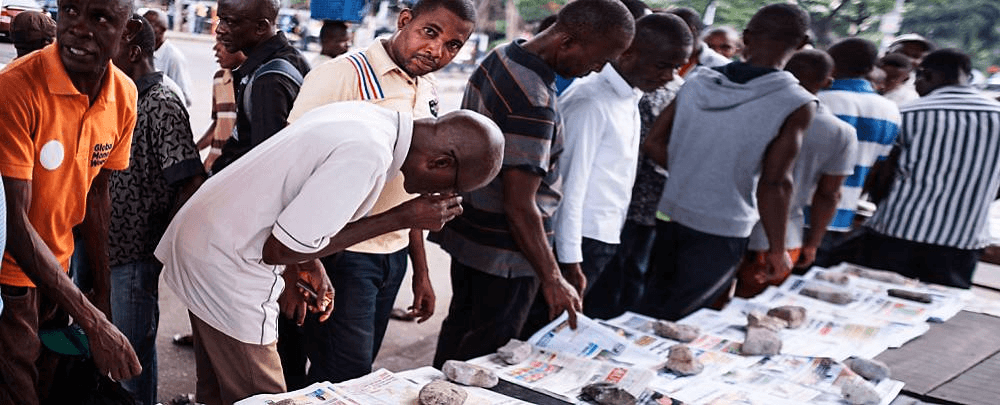
In a separate development, the Sudanese army said on Monday it seized control of two areas in the Blue Nile region in the far southeast of the country after battles against an alliance of the Rapid Support Forces and the Sudan People’s Liberation Movement-North (SPLM-N).
The command of the Fourth Infantry Division said its forces had liberated the areas of Magaja and Sarkam following direct clashes, and said the operation resulted in the military taking control of the sites and forcing the enemy to retreat from the theatre of operations.
The New Arab reported that the Joint Forces said their fighters had taken "full control" of Kulbus after what they described as "decisive battles," while the claims could not be independently verified and the RSF had not commented.
UN, ICC, and rights groups
Before the Security Council, UN Deputy Secretary-General for Political Affairs Rosemary DiCarlo warned that "No corner of Sudan is safe from the threat of an attack," as she described the conflict as having crossed "a dreadful threshold: a thousand days of brutal war."
DiCarlo also said "the risk of regionalization of the conflict is an urgent concern," pointing to clashes along the border with Chad and to reports of armed group movements between Sudan and South Sudan.

In parallel, a coalition of rights groups asked the International Criminal Court to investigate the role of high-level officials from the United Arab Emirates and Sudan’s neighbouring countries in allegedly aiding and abetting atrocity crimes in Darfur.
The submission was filed on Monday by the Raoul Wallenberg Centre for Human Rights (RWCHR) and a broad coalition of legal, investigative and civil society organisations, and it urged prosecutors to investigate criminal responsibility under Articles 25(3)(c) and 25(3)(d) of the Rome Statute.
Irwin Cotler, founder and international chair of the Wallenberg Centre, said accountability must extend beyond the battlefield, warning: "The suffering of the Sudanese people will not end so long as the perpetrators of atrocity crimes".
Humanitarian collapse and displacement
The UN said nearly 30 million people are now facing humanitarian distress, with more than ten million having fled their homes, half of them children, as front lines keep shifting from Darfur to Kordofan via the Blue Nile.
“Sudan has entered a civil war that pits the two former leaders directly against each other”
Edem Wosornu of the UN Office for the Coordination of Humanitarian Affairs (OCHA) described basic services as being near total collapse, with food largely unavailable in markets and most health facilities having exhausted their medical stocks.
The UN also warned that humanitarian convoys are being targeted and hospitals bombed, and said more than a hundred humanitarian workers have been killed since the war began.
In the same period, Radio Dabanga reported that renewed clashes have displaced more than 10,000 people, and said the SAF and allied forces recaptured the strategic areas of Magja and Surkum aimed at securing the route towards El Kurmuk.
For Sudanese activist Hala Alkarib, the escalation is already destabilizing the region, and she insisted: "Every day this war continues destroys the lives and brutalizes the bodies of Sudanese women and girls".
More on Sudan

UN Warns Rapid Support Forces Could Commit Mass Atrocities In El Obeid, Sudan
27 sources compared

Sudan Attorney General Intisar Ahmed Abdel Aal Tells UN Human Rights Council of 2,200 Rape Cases
10 sources compared

UN Report Says Rapid Support Forces Used Sexual Violence as Weapon of War in Sudan
29 sources compared
U.S. Warns RSF Buildup Near El Obeid Could Trigger Mass Atrocities
11 sources compared