
Supreme Leader Mojtaba Khamenei Vows to Close Strait of Hormuz; Iran's UN Ambassador Denies It
Key Takeaways
- Mojtaba Khamenei vows to keep the Strait of Hormuz closed and continue regional attacks
- Iran's UN ambassador denies any plan to close the Strait of Hormuz
- U.S. forces struck Iranian mine‑laying vessels as ships and tankers were attacked near Hormuz
Leader's closing vow
Iran’s newly appointed Supreme Leader Mojtaba Khamenei issued a written message read on state television that explicitly called for continuing to use the Strait of Hormuz as leverage, stating that the waterway “will remain closed” and that “the lever of blocking the Strait of Hormuz must continue to be used.”
The statement was attributed to him as his first public remarks since succeeding his slain father and was presented on air rather than delivered live, framing the closure of the strait as a central tool of Tehran’s strategy in the ongoing war with the United States and Israel.

UN denial from Tehran
At the United Nations and in other official statements Tehran presented a different, more measured line: Iran’s UN ambassador and other diplomats denied plans for a formal closure while asserting Iran’s right to safeguard maritime security.
Iran’s UN envoy said “We are not going to close the Strait of Hormuz,” and emphasised Tehran’s commitment to international maritime law and the principle of freedom of navigation even as he warned Tehran would protect the corridor.

Wider military threats
Khamenei’s message also broadened the military stakes: he vowed continued strikes on U.S. bases, encouraged regional proxies and warned of “opening other fronts” if the war persists.
The statement urged Gulf states to expel American bases, promised compensation or seizure/destruction of enemy assets if reparations were refused, and invoked support from allied armed groups in Yemen and Iraq as part of an expanded resistance posture.
Shipping and oil impact
The leadership statements have had immediate economic and maritime consequences: attacks on commercial vessels and explosive-laden small boats have been reported near the Strait of Hormuz and in nearby Gulf waters, with two tankers set ablaze in Iraqi waters and multiple vessels struck,
driving Brent crude above $100 a barrel and prompting coordinated strategic oil releases.

Shipping is clustered and insurers and navies are reassessing war-risk measures while the US has said it cannot yet provide escorts through the strait.
Conflicting signals
The coverage contains clear contradictions and uncertainties: the supreme leader’s aggressive language was delivered via a written message on state TV rather than in person, fueling questions about his physical condition and who is shaping the rhetoric,
Senior Iranian officials simultaneously denied an intention to formally close the strait or to mine it.
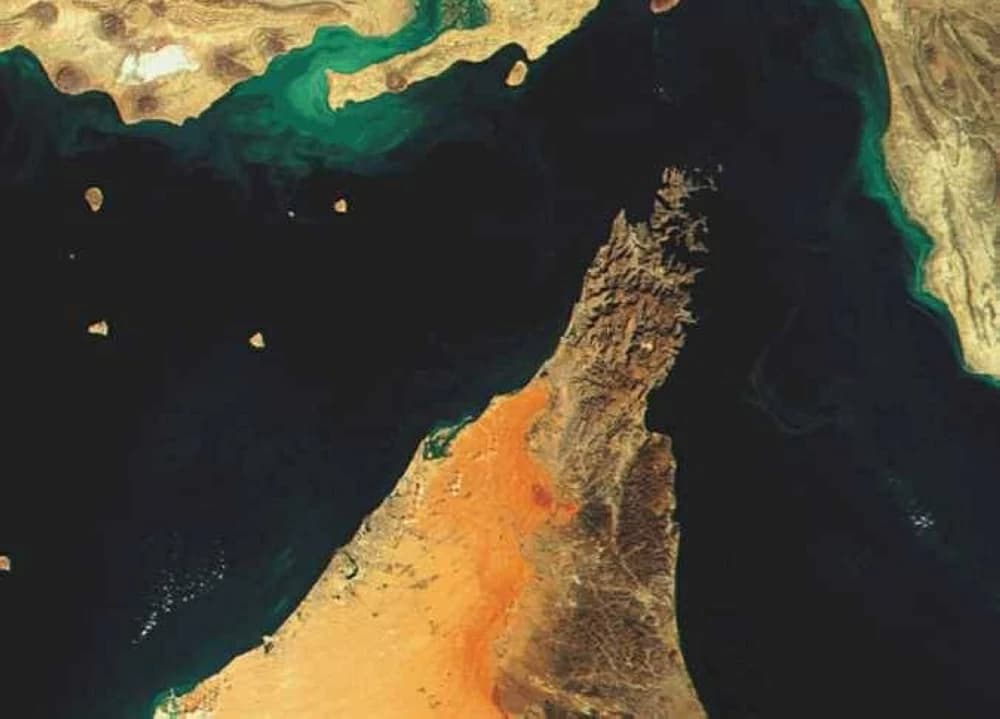
International reporting records both the hardline demands to use the strait as leverage and Tehran’s diplomatic reassurances, leaving an ambiguous official posture and a sharply escalatory operational reality at sea.
More on Iran
FBI Warns of Iranian Drone Plot Based on Unverified Tip; California Says No Credible Threat
10 sources compared

White House Demands ABC Retract Report Claiming Iran Sought To Launch Drone Attacks On California
11 sources compared

U.S. KC-135 Crashes in Iraq, Kills All Six Crew
85 sources compared

Iranian Proxy Claims It Shot Down US KC-135 in Iraq; US Denies Hostile Fire
25 sources compared