
Syria Hosts OPCW Briefing On Breaths Of Freedom Working Group Objectives
Key Takeaways
- Syria hosted a technical OPCW briefing at The Hague on the Breaths of Freedom.
- The briefing aimed to inform member states about the group's mandate and objectives.
- The international team is led by Syria to erase remnants of its chemical program.
OPCW briefing in The Hague
The Syrian Arab Republic hosted a technical briefing at the headquarters of the Organisation for the Prohibition of Chemical Weapons (OPCW) to inform member states about the mandate and objectives of the 'Breaths of Freedom' working group, described as an international team led by Syria to eradicate remnants of the chemical weapons program from the era of the Bashar al-Assad regime.
“Syria: The chemical weapon used 174 times by the regime in four years - According to a report published by the Syrian Network for Human Rights (SNHR), the regime of Bashar al-Assad has used chemical weapons 174 times over the past four years Adham Kako, Tuncay Çakmak August 21, 2017 • Updated: August 21, 2017 Ankara Anadolu Agency (AA) - Ankara - Tuncay Çakmak The regime of Bashar al-Assad in Syria continues to use chemical weapons against the opposition and civilians”
Syrian permanent representative to the OPCW Mohammed Katub, while presiding over the briefing, said: 'This week marks the anniversary of two of the most brutal chemical attacks in Syria, the attack on Khan Sheikhoun on April 4, 2017, and the attack on Douma on April 7, 2018,' and added that residents of Douma gathered yesterday to commemorate the victims.
Katub also said: 'Today, we take a new step forward by launching the Breaths of Freedom working group, a Syria-led initiative aimed at identifying and destroying any remnants of the regime's chemical weapons program.'
The briefing was attended by ambassadors of the member states in the working group and the Director-General of the OPCW, with the level of participation and interaction described as very encouraging, reflecting genuine interest in supporting Syria in this mission.
The Syria mission to the United Nations in New York organized, on the 19th of last month, a high-level event at the United Nations that witnessed the launch of an international working group led by Syria, named 'Breaths of Freedom,' aimed at eliminating any remaining potential remnants of the chemical weapons program from the era of the former regime.
Douma access and competing claims
In a separate dispute over the Douma investigation, a British ambassador to the OPCW said the OPCW mission had not yet had access to Douma, with Russia and Syria not authorizing access, as the OPCW experts were tasked to investigate but not to identify perpetrators.
The British ambassador said on Monday, April 16, in a tweet during an emergency meeting of the OPCW Executive Council in The Hague: "Russia & Syria have not yet allowed access to Douma."
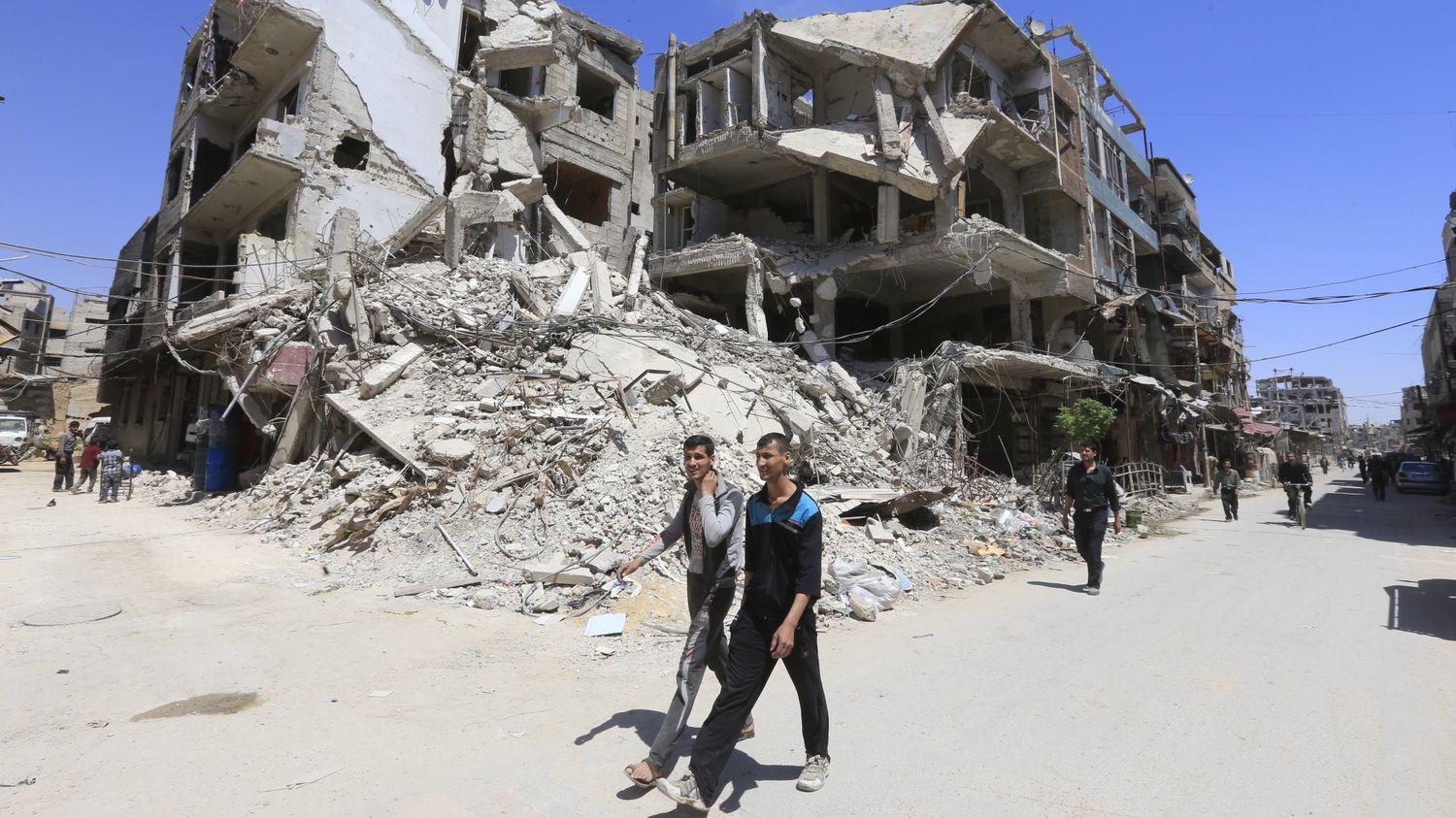
The Kremlin later reacted by accusing Russia of obstructing access to Douma as baseless, while the OPCW Director also assured that the organization's mission had not yet been deployed to Douma.
During the same meeting, French ambassador Philippe Lalliot asserted that 'the priority' was to 'give the OPCW Technical Secretariat the means to complete the dismantling of the Syrian program.'
The VOA Afrique item on Western airstrikes also captured the immediate diplomatic backlash, with Russia calling the strikes 'insulting the Russian president' Vladimir Putin and warning that 'We warned that such actions would invite consequences.'
Chlorine findings and wider fallout
The OPCW also confirmed probable use of chlorine in an attack on Saraqeb in February, stating that chlorine had been 'likely used as a chemical weapon' on February 4 during an attack on the Syrian city of Saraqeb in the Idlib governorate.
“An article to read with caution and perspective”
An OPCW fact-finding mission established that 'chlorine was released from cylinders by mechanical impact in the Al Talil district, in Saraqeb,' and said sampling showed an unusual presence of chlorine in the local environment.
The OPCW said it interviewed witnesses and confirmed that a 'number of patients had been treated for symptoms corresponding to exposure to chlorine,' while the OPCW Director-General Ahmet Uzumcu condemned 'the use of toxic chemical substances as weapons by anyone, for any reason, and under any circumstances.'
The UN News report added that another OPCW mission was awaiting results of an investigation in Douma, in the Ghouta, on the outskirts of Damascus, to shed light on allegations of chlorine and sarin gas attacks on April 7.
Meanwhile, a separate report attributed to the Syrian Network for Human Rights (SNHR) said the regime of Bashar al-Assad used chemical weapons 174 times over the past four years, and it cited a March 25 attack on Hama where two civilians were killed and 30 others were injured.
More on Syria
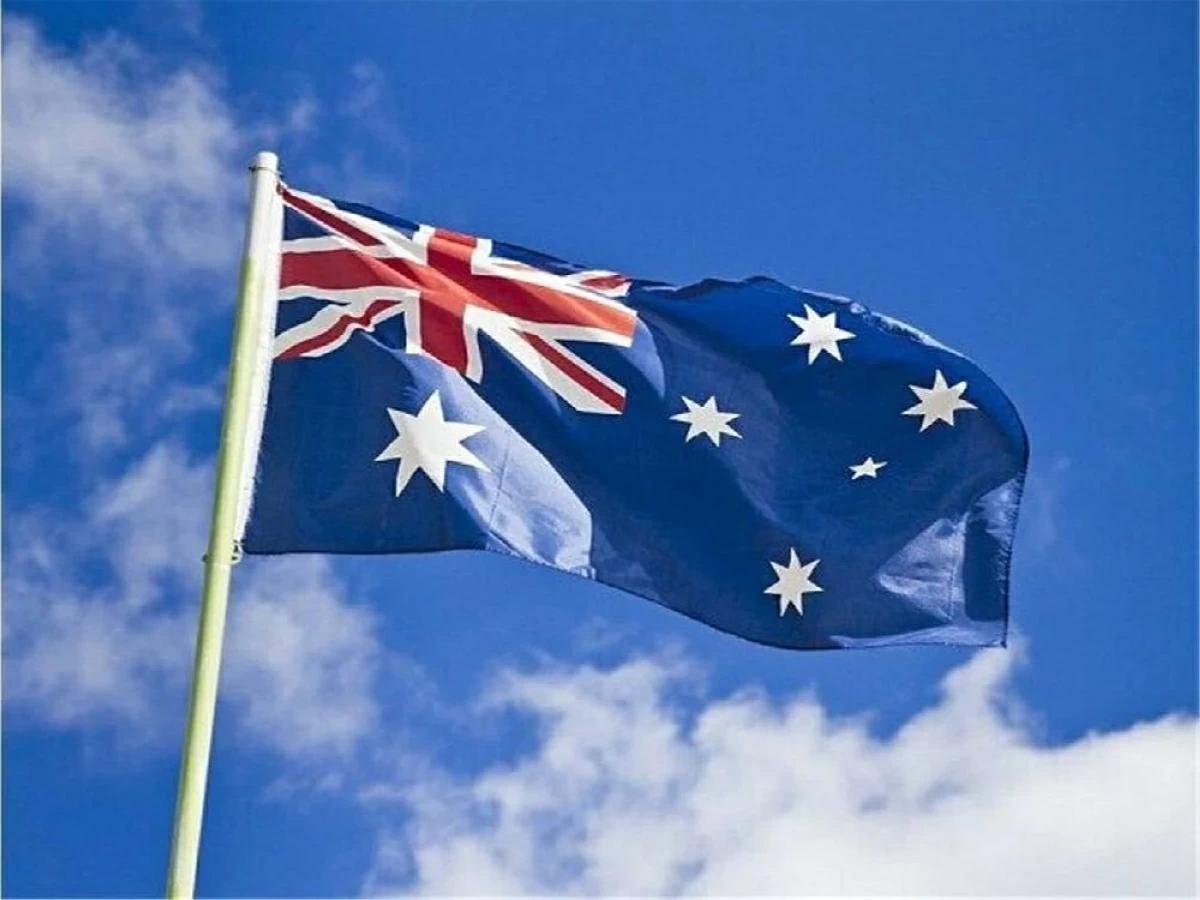
Three Australian Women Linked to Islamic State Arrested After Returning From Syria With Children
16 sources compared
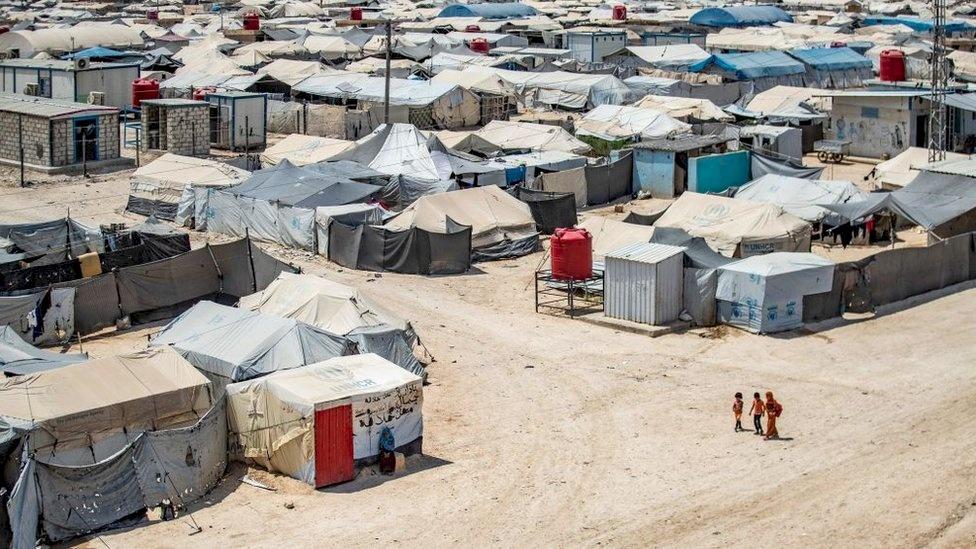
Australia Says 13 IS-Linked Citizens, Including Four Women And Nine Children, Will Fly Home From Syria
21 sources compared
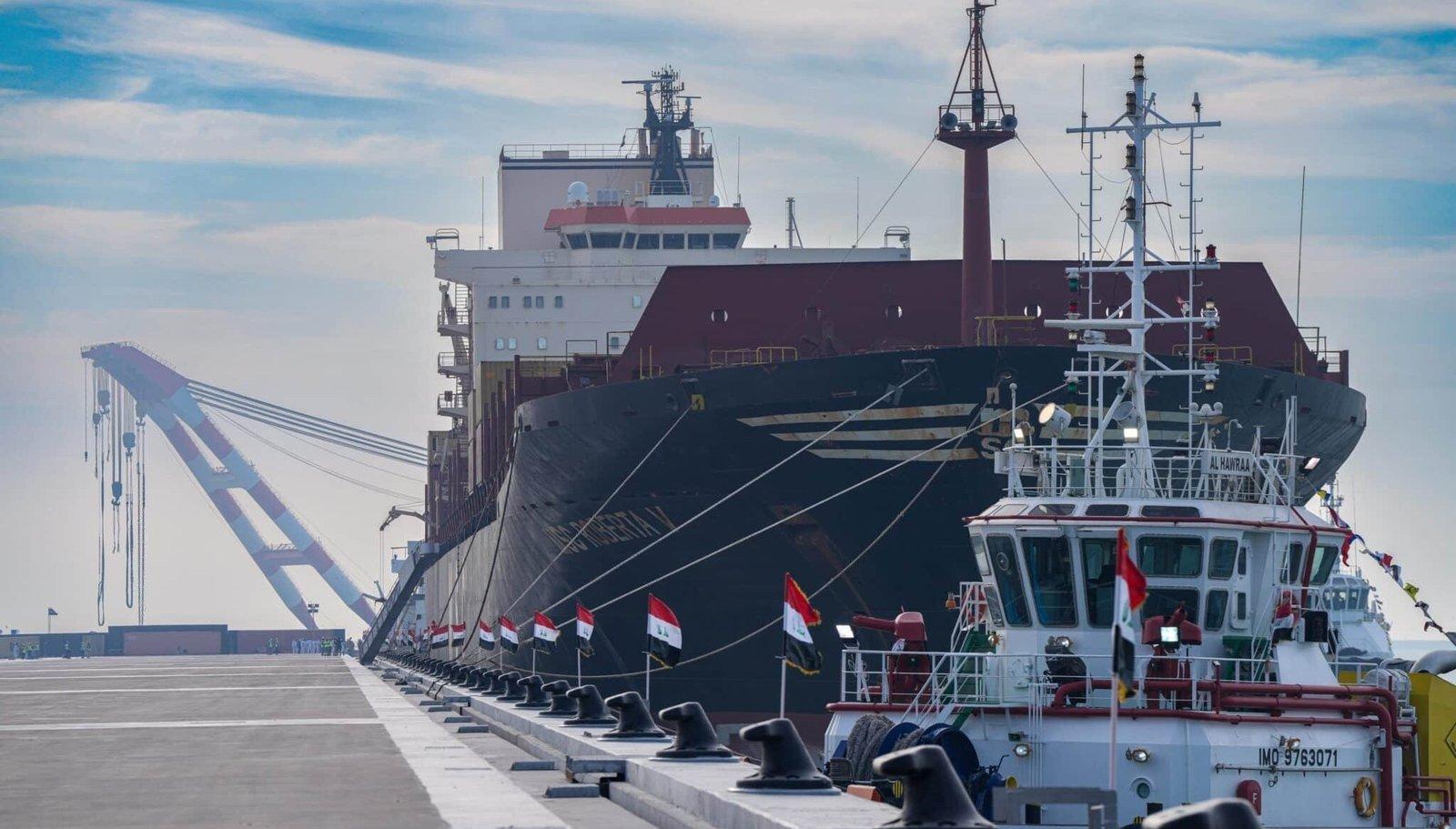
Syria Positions Neutral Energy Corridor As Iraqi Oil Trucks Route Via Banias Port
20 sources compared
Syrian Commission Prepares War Crimes Charges Against Fadi Saqr Over 2013 Tadamon Massacre
90 sources compared