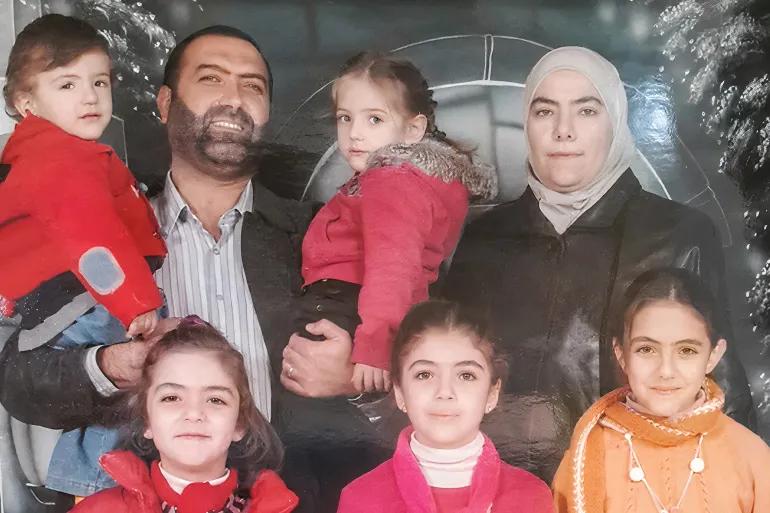
Syria’s Missing Persons Commission Says Dentist Rania Al-Abbasi’s Six Children Are Likely Dead
Key Takeaways
- Six children of Dr. Rania al-Abbasi are believed dead, commission says.
- Disappearance occurred over a decade ago during Bashar al-Assad's rule.
- Investigations cite multiple verification procedures; case highlighted as a major enforced disappearance.
Commission: children deceased
Syria’s National Commission for Missing Persons said on Saturday that the children of dentist Rania al-Abbasi—who disappeared with her husband and their six children in March 2013 after government forces raided their home in Damascus—were likely dead.
“The National Commission for Missing Persons in Syria said its investigations are highly likely to conclude that the children of dentist Rania Al-Abbasi died, who disappeared with their family more than a decade ago during the rule of the ousted President Bashar al-Assad, in one of the country’s most prominent cases of enforced disappearance”
The commission said, "We have reached reliable and corroborating results that allow us to conclude with a high degree of professional certainty that Dr. Rania al-Abbasi’s children are deceased," and it added that its findings were based on "multiple verification and analysis procedures" conducted in coordination with national authorities.

The fate of the children had remained unknown for years and became a symbol for missing children of detainees and those forcibly disappeared during Assad’s rule, which ended with his ouster in 2024.
Rania al-Abbasi’s brother Hassan al-Abbasi confirmed the deaths in a video posted on Facebook, saying, "They turned out to be our children," and he added, "We finally saw them... but they were martyred."
Video accusations and reactions
Hassan al-Abbasi said the family had been able to view video recordings linked to the main suspect in a 2013 massacre in a Damascus district, including one showing him accusing children in a dark room of being "major financiers of terrorism".
In the same video, he said, "They turned out to be our children," as the case resurfaced after more than a decade of enforced disappearance.
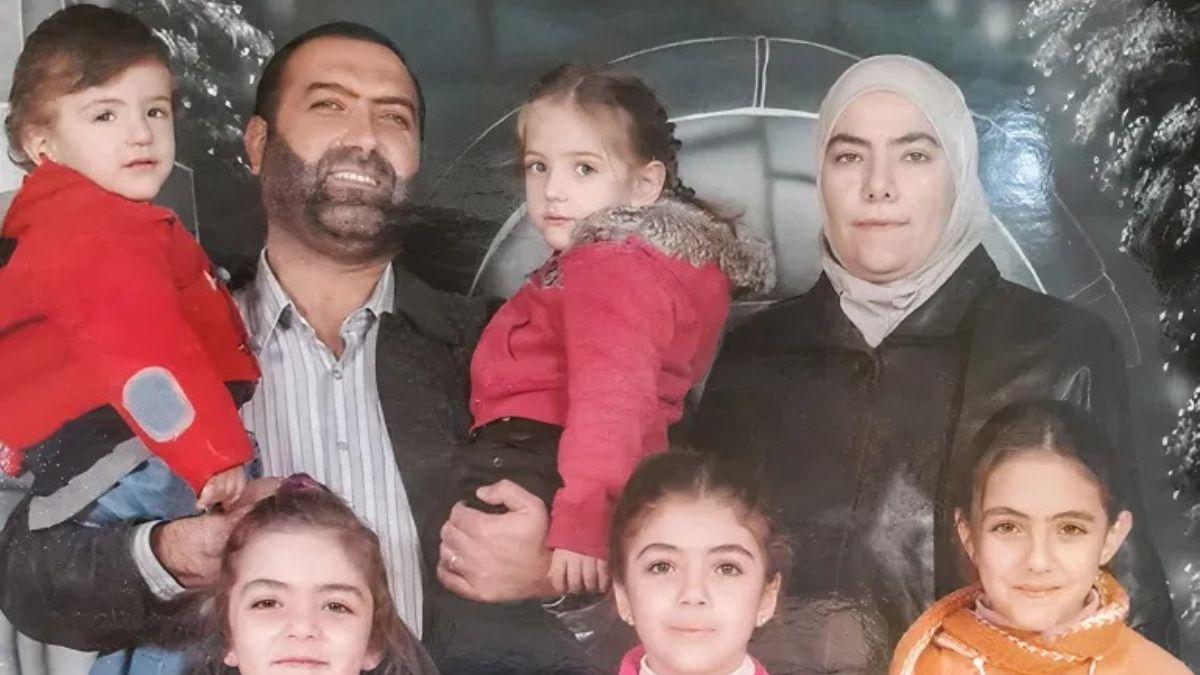
The commission said it was set up by Syria’s new Islamist authorities in May 2025 to investigate missing and forcibly disappeared people, and it said, "Efforts to find the remains... are still ongoing," even as it reached conclusions about the children’s deaths.
On Syrian platforms, Fadi al-Muzihan, known as Caesar, said the case represents one of the most brutal crimes of enforced disappearance committed by the former regime, while Fadel Abdul Ghani, director of the Syrian Network for Human Rights, called the announcement a painful moment showing the extent of systematic violations.
What’s at stake next
The commission’s findings were framed as part of an ongoing effort to recover remains and determine locations, with the statement saying, "Efforts to find the remains... are still ongoing," and that it informed family members before any public announcement.
“Syrian authorities, in coordination with the Autonomous Administration of North and East Syria (AANES), must carry out a screening process that respects human rights in detention centers and camps they now control”
The broader file of missing people in Syria remains central to the commission’s mandate, with the TRT World report saying the number of people who went missing over decades of Assad family rule may exceed 300,000.
Amnesty International urged Syrian authorities and the Autonomous Administration of North and East Syria (AANES) to urgently collect and preserve evidence attesting to the commission of international crimes by the Islamic State, including at sites where atrocities occurred and in mass graves, and it said the traces will be essential to determine what happened to Syrians subjected to forced disappearance by the Islamic State.
In the same Amnesty briefing, Kristine Beckerle said, "The traces left by the crimes committed will be indispensable for investigating the authors of international crimes," as fighting and detention after the fall of the former government of Bashar al-Assad continued to shape the risks facing civilians and detainees.
More on Syria
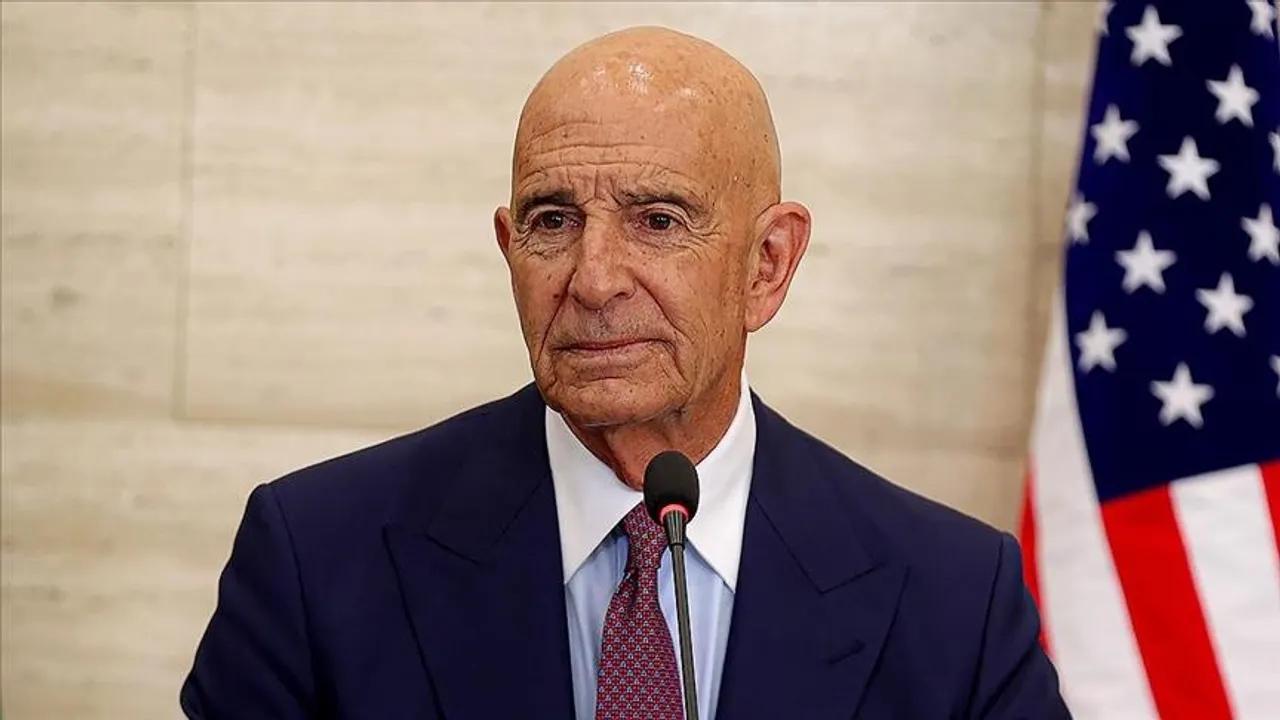
Marco Rubio Ends Tom Barrack’s US Special Envoy Mandate for Syria
11 sources compared
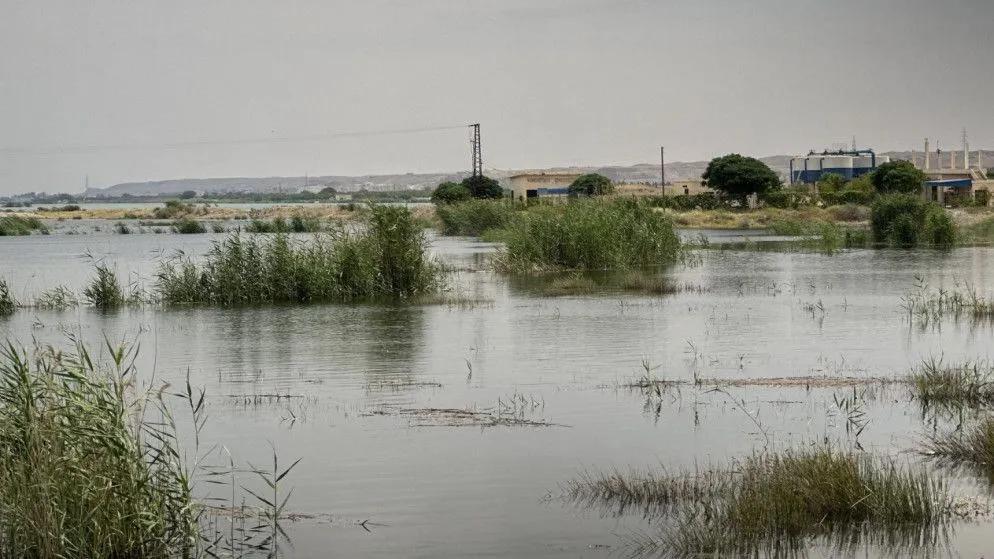
Ahmed al-Sharaa Visits Deir Ezzor After Euphrates Floods Displace Thousands
18 sources compared
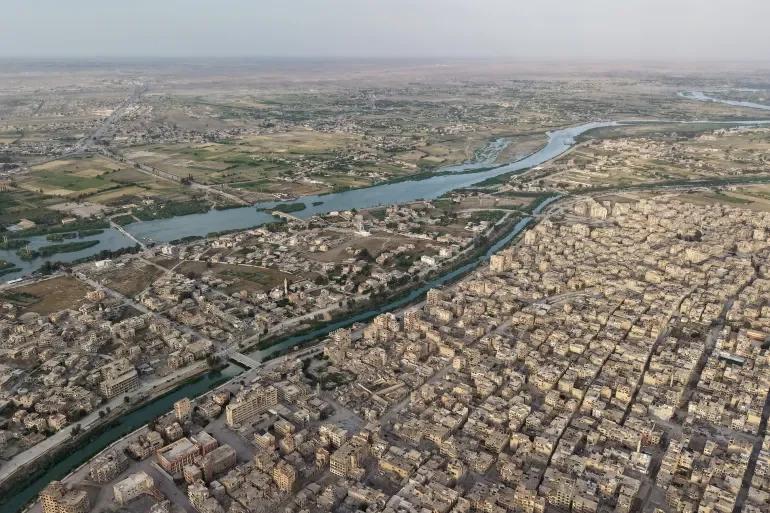
U.S. Bombardments Hit Tabqa Dam, Triggering Fears of Catastrophic Euphrates Flooding in Syria
20 sources compared
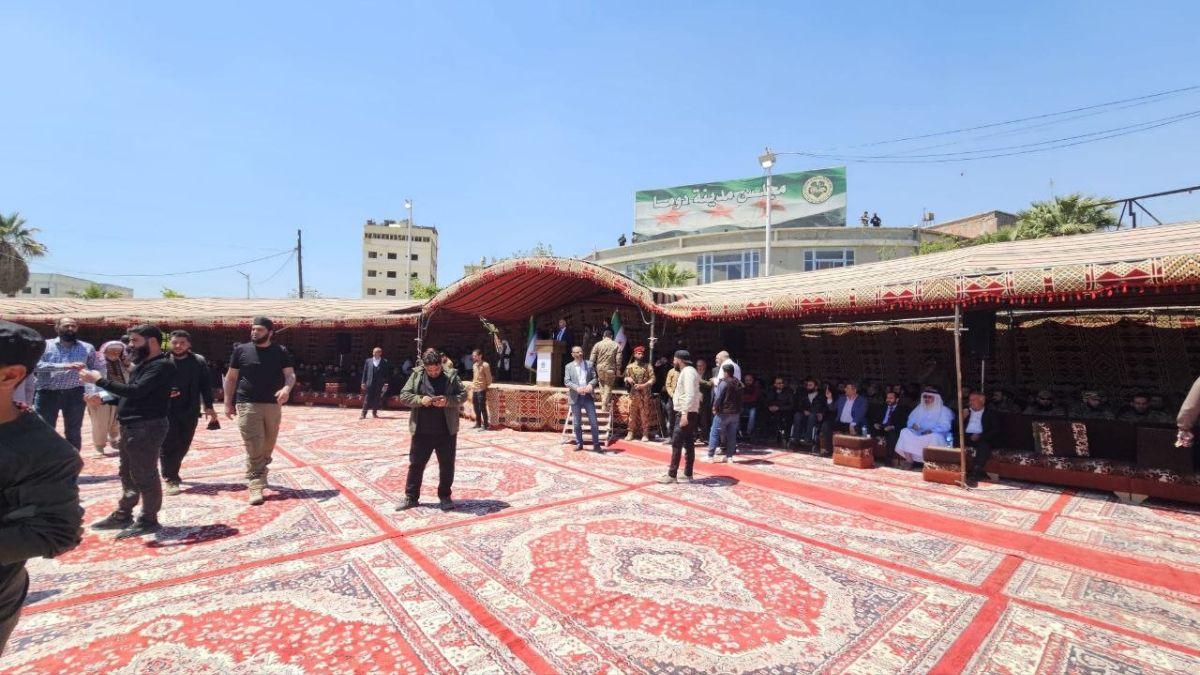
Syria Interior Ministry Arrests Former Regime Officer Mohammed Mohsen Nayouf
10 sources compared