Tehran Threatens Retaliation After U.S. Strikes as Israel-Hezbollah Ceasefire Falters
Key Takeaways
- Tehran threatens retaliation after overnight U.S. strikes on Iran.
- Lebanon-Israel ceasefire falters as fighting intensifies.
- Tehran demands lifting the siege; talks stall while Trump pursues Iran deal.
Ceasefire strain deepens
Fighting between Israel and Hezbollah intensified Tuesday as Tehran threatened to retaliate after overnight U.S. strikes on Iran, leaving fragile ceasefires on both fronts under increasing strain.
“Anxiety in Israel over the ceasefire announced by Trump with Lebanon - Author: Lucy Williamson - Role: Middle East Correspondent – Jerusalem - Published - Reading time: 4 minutes As news spread of the ceasefire in the residential settlements in northern Israel, sirens sounded three times last night, warning of rockets fired from Lebanon”
The Washington Post frames the Lebanon ceasefire as faltering while Trump pushes for an Iran deal, describing the pressure building across the Israel-Hezbollah and U.S.-Iran tracks.
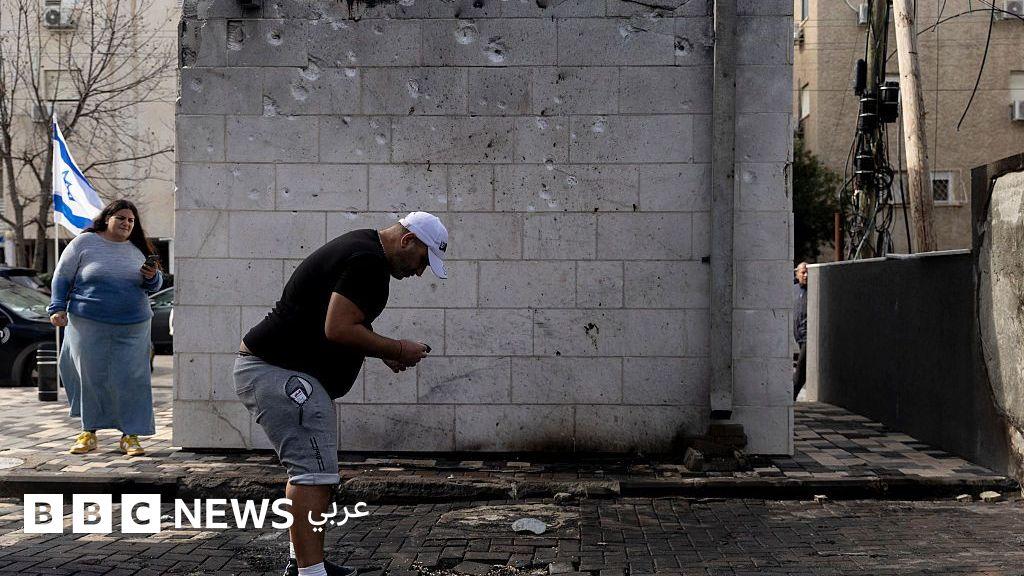
In Israel, sirens sounded three times in the hours before the ceasefire took effect, warning of rockets fired from Lebanon over Nahariya as air defense systems fired interceptors.
The BBC reports that paramedic teams said at least three people were injured by shrapnel in the hours before the ceasefire took effect, including two described as seriously injured.
Voices question motives
In Nahariya, Gal, a student, said he felt the government lied to residents, telling the BBC, "They promised this time would be different, but it seems we are heading again toward a ceasefire that does not solve anything."
Maor, a 32-year-old truck driver whose home was hit by a rocket last year, said the Lebanese government was given a chance but failed to uphold the agreement and did not disarm Hezbollah, adding, "If we do not act, no one will."
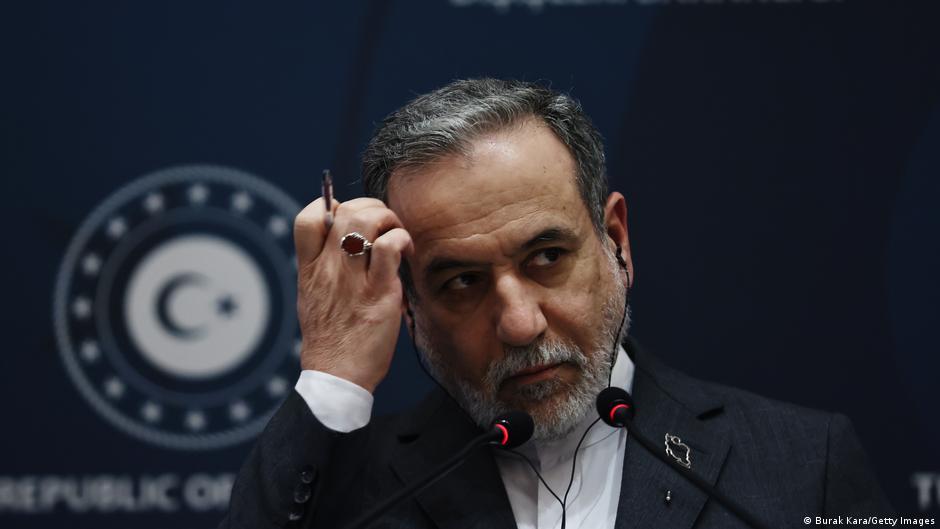
Gadi Eizenkot, former Chief of Staff of the Israeli Army and head of the Yesh Atid party, argued the ceasefire must come "from a position of strength, to serve Israel's national interests."
Eizenkot said there is a pattern in which ceasefire agreements are imposed on Israel, and he warned that Netanyahu does not know how to translate military gains into diplomatic gains.
What’s at stake next
The BBC reports that the ceasefire agreement Israel agreed to in Lebanon states that Israel retains the right to take all necessary measures to defend itself, at any time, against planned or imminent or ongoing attacks.
“Democracy Dies in Darkness By Sammy Westfall , Mohamad El Chamaa , Suzan Haidamous , Lior Soroka and Susannah George Fighting between Israel and Hezbollah intensified Tuesday as Tehran threatened to retaliate after overnight U”
The BBC also says Hezbollah insisted on two conditions—"the withdrawal of Israeli forces from Lebanon" and "the adoption of the principle of calm for calm"—which Eizenkot said were not achievable.
In parallel, Al Jazeera’s Omar Hawash quoted Iranian Foreign Ministry spokesman Ismail Bagheri saying Iran has not yet decided on participating in the upcoming round of negotiations in Islamabad and that Iran’s position remains tied to clear conditions.
Bagheri said Iran’s position includes lifting the blockade of ports and that the transfer of highly enriched uranium out of Iran is not "an option on the table," while the BBC reports Israel’s skepticism and the risk of renewed violence as the ceasefire period nears its end next week.
More on Lebanon
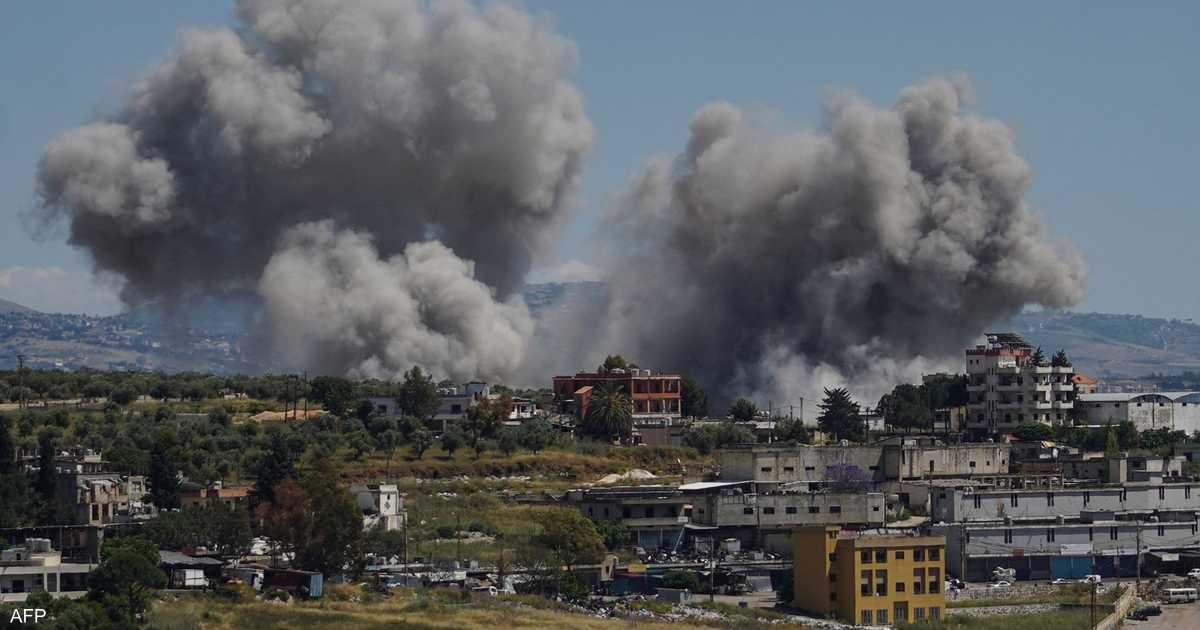
Netanyahu Orders IDF To Intensify Strikes Against Hezbollah, Forcing Beirut Suburbs To Flee
18 sources compared

Israeli Strikes Kill Four Women as Netanyahu Deepens Ground Offensive in Southern Lebanon
25 sources compared

Israel Pounds Lebanon With More Than 120 Air Strikes as Netanyahu Deepens Operations
25 sources compared

Netanyahu Orders Intensified Strikes in Lebanon to Crush Hezbollah, Residents Flee Beirut Suburbs
26 sources compared