
The Bolduc Brief: A Strategic Perspective on Iran
Key Takeaways
- Air campaign against Iran entered its second week.
- Various administrations have considered military intervention against Iran for decades.
- Administrations weighed force to counter Iran's nuclear ambitions and regional threats.
Strategic thesis and stance
As we head into the second week of the air campaign, the article argues for a strategic perspective on Iran, noting that military intervention has long been debated among policymakers but that more politically astute leaders have often opted for restraint.
“As we head into the second week of the air campaign, it is necessary to discuss a more strategic perspective on Iran”
The piece asserts this cautious approach is not a weakness but reflects an understanding of complex regional realities, the potential consequences of military action, and broader implications for U.S. foreign policy.
It frames restraint as a preference for alternatives over aggression and sets up the article’s exploration of why diplomacy and multilateral engagement are strategically preferable to force.
Historical lessons from wars
The article places current deliberations in historical context, saying U.S. involvement in the Middle East—especially the prolonged conflicts in Iraq and Afghanistan—has demonstrated the limitations and unintended consequences of military force.
It states U.S. intervention in Iraq "failed to achieve its stated objectives" and "set off a series of events that destabilized the region and contributed to the rise of extremist groups."
The author warns that rushing into military action against Iran without a clear exit strategy or understanding of local dynamics risks recreating past mistakes and further entrenching hostilities.
Regional dynamics and risks
The piece outlines geopolitical realities that counsel caution, describing Iran as a pivotal regional actor and a counterbalance to U.S. allies such as Saudi Arabia and Israel.
“As we head into the second week of the air campaign, it is necessary to discuss a more strategic perspective on Iran”
It argues any military action against Iran would likely provoke a robust response from Tehran and from its network of proxies across the region, including groups in Lebanon, Syria, and Iraq, and notes that the aftermath of the recent attacks has ignited regional conflicts, drawing in neighboring nations and escalating tensions.
Given these dynamics, the article contends astute administrations prioritize diplomatic engagement and multilateral cooperation over military confrontation.
Economic risks and conclusion
The article highlights risks to global stability and economic implications, saying Iran’s strategic position and the Strait of Hormuz make the region a flashpoint for conflict.
It states the Trump administration’s military action "threatened freedom of navigation, causing immediate spikes in global oil prices and economic instability far beyond the Middle East."
The author concludes that the potential economic fallout and threats to global stability make diplomacy a preferable pathway for long-term solutions, and reiterates that restraint and emphasis on dialogue are wiser than military intervention.
More on Iran
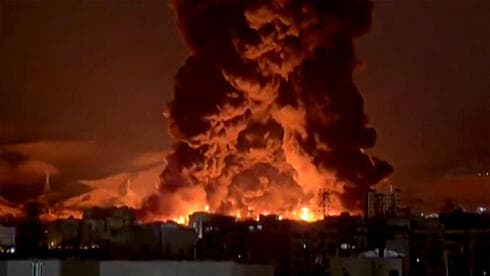
Trump Says U.S. Bombed Military Sites on Kharg Island, Iran's Oil Hub
14 sources compared
FBI Warns of Iranian Drone Plot Based on Unverified Tip; California Says No Credible Threat
10 sources compared

White House Demands ABC Retract Report Claiming Iran Sought To Launch Drone Attacks On California
11 sources compared

Iranian Proxy Claims It Shot Down US Refueling Plane in Iraq; US Military Says Otherwise
17 sources compared