The war in Iran, breeding ground for a new oil shock?
Key Takeaways
- Financial markets are closely watching the situation in the Strait of Hormuz
- Financial markets are attentive to many statements from Donald Trump
- Donald Trump said the war in Iran is 'almost over' at his first press conference
Market reaction to Trump
Financial markets are closely watching the situation in the Strait of Hormuz and paying attention to the many statements from Donald Trump.
“Financial markets The situation in the Strait of Hormuz is being closely watched by the financial markets, which are also attentive to the many statements from Donald Trump”
The war in Iran is “almost over,” was the strong message delivered by Donald Trump at his first press conference in Florida since the start of hostilities against the Tehran regime, a message likely aimed at financial markets worried about a prolonged conflict in a major oil and gas producing region.
Investors reacted as quickly on the downside as they had on the upside: on Monday morning oil prices boiled over, with a barrel of Brent approaching $120, only to drop below $90 that same evening after the U.S. president’s speech.
Ongoing military activity
Weapons continue to fire across the region even as leaders trade declarations.
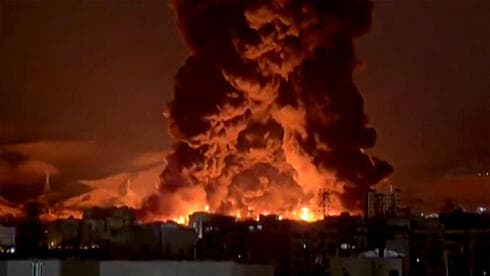
The article reports that weapons are still firing in Iran, in Lebanon and in other countries targeted by Iranian reprisals.
“Financial markets The situation in the Strait of Hormuz is being closely watched by the financial markets, which are also attentive to the many statements from Donald Trump”
On Tuesday, U.S. Secretary of Defense Pete Hegseth said at a Pentagon press conference that strikes were intensifying: “Today will, again, be the most intense day of strikes on Iran” since the start of the war on February 28, and he listed “The largest number of fighter jets, bombers, strikes.”
The day before, the Pentagon wrote on X: “We are only beginning the fight.”
Iranian response and threats
Iran’s foreign minister asserted that his country was ready to fight “as long as necessary” against the United States and Israel and said that negotiations with Washington “are no longer on the agenda.”
“Financial markets The situation in the Strait of Hormuz is being closely watched by the financial markets, which are also attentive to the many statements from Donald Trump”
A spokesperson for the Revolutionary Guards warned they “will not allow” exports of oil produced in the region to countries allied with the United States and Israel as long as the war in the Middle East continues.
The spokesperson added that “their efforts to reduce and control the price of oil and gas will be temporary and in vain. In wartime, trade depends on regional security.”
The article notes that so far these statements have not had a direct impact on oil markets.
Economic risks and implications
The conflict is already producing energy-price spillovers and broader economic risks that worry central banks and markets.
The piece describes repeated oil shocks: pump prices have surged and sectors such as agriculture, transport, chemicals and aviation are sensitive to higher fuel costs, with several airlines announcing fare increases and Kuwait facing production cuts due to Iranian strikes.
“Financial markets The situation in the Strait of Hormuz is being closely watched by the financial markets, which are also attentive to the many statements from Donald Trump”
John Plassard, strategist at Cité Gestion, warns that “Historically, oil shocks have led to an acceleration in consumer prices, with a lag of a few quarters, which today feeds central banks’ vigilance,” and he cautions that central banks face “a delicate dilemma between supporting growth and fighting imported inflation.”
Plassard also says markets erred in 2022 by treating the energy shock as temporary before markets overheated in 2023–2024 and that “A prolonged energy shock never confines itself to the fuel bill; it spreads into wages, into margins and into monetary policy.”
The article adds an editorial note that such shocks can spread into voter discontent, which is a significant point for President Donald Trump with midterm elections approaching, and concludes with the observation that ending a war “takes two.”
More on Iran
Trump: US Obliterated Every Military Target on Iran's Kharg Island
16 sources compared
FBI Warns of Iranian Drone Plot Based on Unverified Tip; California Says No Credible Threat
10 sources compared

White House Demands ABC Retract Report Claiming Iran Sought To Launch Drone Attacks On California
11 sources compared

Iranian Proxy Claims It Shot Down US Refueling Plane in Iraq; US Military Says Otherwise
17 sources compared