
Thousands Protest Mosque Construction in Fujisawa, Japan, Citing Cultural and Security Fears
Key Takeaways
- Thousands protest the mosque project in Fujisawa, Kanagawa Prefecture.
- Protests cite cultural identity concerns and demographic changes impacting the city.
- Fujisawa protests become a national flashpoint on religious coexistence.
Massive Mosque Protests
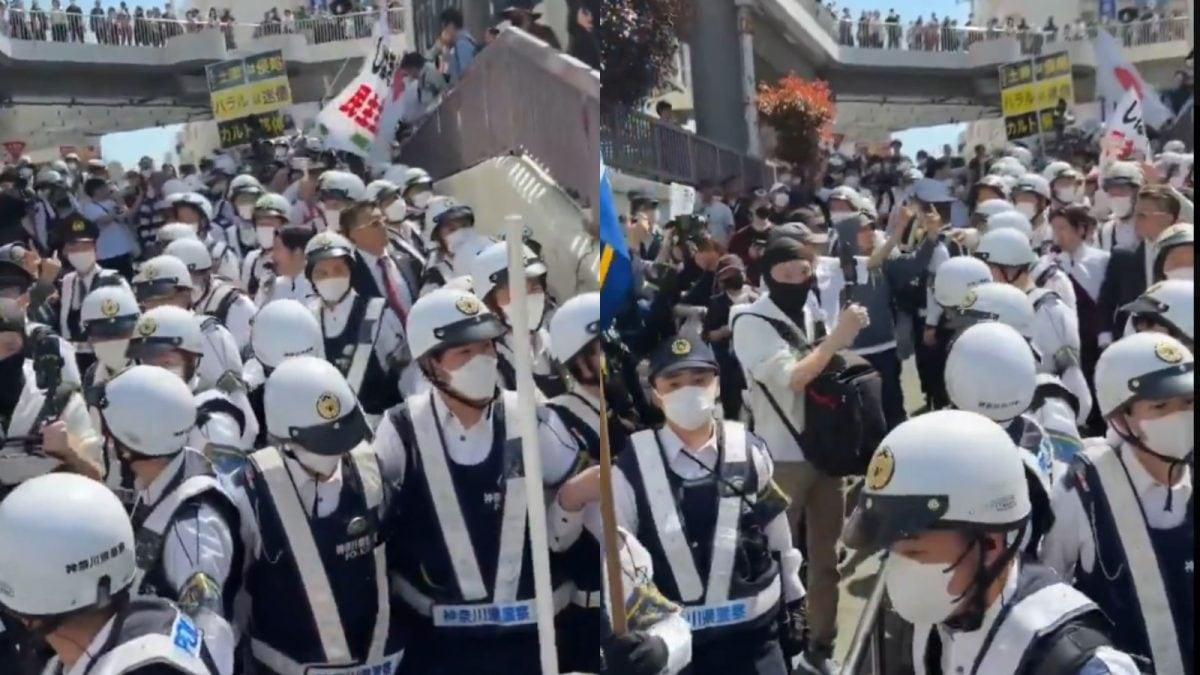
Fujisawa city witnessed one of the most prominent anti-Muslim gatherings in Japan in recent years.
“Fujisawa city in Kanagawa Prefecture, Japan, witnessed a massive demonstration that is among the most prominent anti-Muslim gatherings in Japan in recent years, as protesters took to the streets to reject the plan to build a mosque in the city”
Banners bore phrases such as 'Islamic occupation' and 'Halal food is annoying.'

The protests marked a shift from digital discourse to street demonstrations after months of circulating content on social media.
Rumors moved from cemetery phobia to security anxieties.
Politicians and content creators played a central role in moving the claims from social media to reality.
Political Mobilization
Susumu Kikotaki stood out as a central figure in the campaign.
He called for confronting what he described as 'Islamic extremism.'
Yosuke Kawai posted dozens of tweets urging people to demonstrate against the mosque.
He spread rumors that Muslim bodies were being transported for burial.
Opponents organized a fundraising campaign and raised 513,000 yen.
Cultural Identity Clash
The protest ignited a wider national debate about religious coexistence and cultural identity.
“Thousands of people recently gathered in the coastal city of Fujisawa to protest a proposed mosque project in the Miyahara district, igniting a wider national debate about religious coexistence, urban planning, and cultural identity in Japan”
Demonstrators expressed concerns about the scale of the mosque.
City authorities stated the project complies with zoning and development regulations.
The Muslim population has grown from roughly 110,000 in 2010 to about 420,000 by 2024.
The number of mosques has expanded from around 50 in 2008 to more than 160 in recent years.
Misinformation and Polarization
The controversy ignited a firestorm on social media.
One user warned to protect culture before it’s too late.
The mosque is planned as a modest facility on roughly 1,000 square metres.
Advocates hope to build trust through dialogue and transparency.
Past cases have shown tensions sometimes ease with communication.
More on Protests

Jewish Voice for Peace Leads Nearly 100 Arrests in NYC Protest Against US Bomb Sales to Israel
11 sources compared

Trump Administration Agrees to Restore Pride Flag at Stonewall National Monument
23 sources compared

Irish Police Clear Fuel Protest Blockades in Dublin, Galway, and Cork
21 sources compared

Cuban President Díaz-Canel Refuses To Step Down Amid U.S. Pressure
17 sources compared