Protests10 April, 20261 min read
Irish Police Clear Fuel Protest Blockades in Dublin, Galway, and Cork
This article is an automated aggregation of coverage from news outlets. Our editorials offer in-depth analysis curated by the NewsCord team.
Gardaí cleared blockades in Dublin city center, Galway port, and M50. Whitegate refinery blockade cleared; fuel deliveries resumed; arrests made.

Protests and Police Action
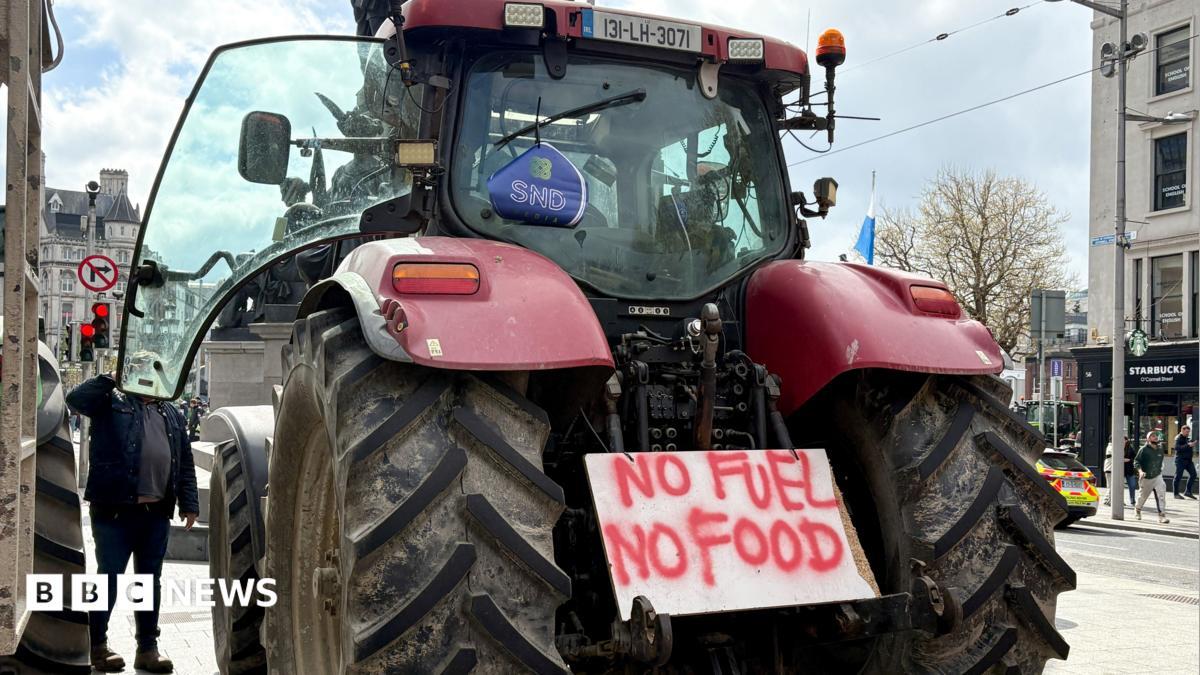
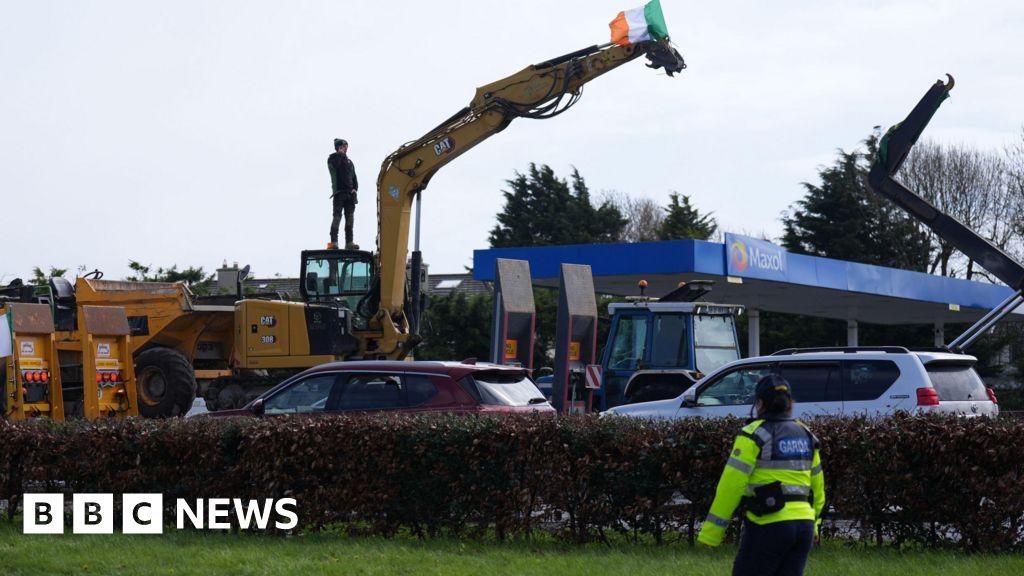
Irish police cleared a blockade of central Dublin by farmers and hauliers protesting fuel prices. Mounted units and hundreds of officers regained control of O'Connell Street in a peaceful operation. Police began cracking down on demonstrators at the Whitegate oil refinery, using pepper spray.
Irish Police Commissioner Justin Kelly said the blockades were not a legitimate form of protest. Protesters expressed resentment, with a spokesperson saying they were ambushed.
Economic Impact and Public Sentiment
Blockades at Ireland's only oil refinery prevented tanker trucks from delivering fuel. More than a third of pumps ran dry. The National Emergency Coordination Group warned that fuel supplies for emergency vehicles were under increasing pressure.
56% of voters supported the protesters according to a poll. Irish Prime Minister Micheal Martin called the blockades illogical.
Government Response and Negotiations
The Irish government prepared to approve cost-cutting measures. Two weeks earlier, the government had introduced measures including a temporary reduction in excise taxes. Protesters demanded price caps or tax cuts, with no central leadership.
Ger Hyland said he empathizes with the protesters. The protests began on Tuesday and grew as word spread on social media.
Broader Implications
The protests highlighted the tension between global economic forces and local political accountability. The fuel price spike was a knock-on effect from the conflict in the Middle East. More than a third of service stations ran dry and emergency services came under strain.
Sinn Féin prepared to table a motion of no confidence. The port at Rosslare Europort was expected to reach full capacity.