USA · 19 May, 2026 · 3 min read
Tim Walz Signs Minnesota Prediction Markets Ban as CFTC Sues to Block It
Minnesota signs first-state ban on prediction markets, taking effect August 1. CFTC and DOJ sue Minnesota to block enforcement of the ban.
How the ban affects farmers and hedging products.
9 of 10 outlets skipped it: HPPR: House members can still bet despite insider-trading concerns..
10outlets compared
Same story, two versions
tap a side to read it in full
Decrypt
“But farmers have relied on such CFTC-regulated futures contracts for decades, which have never stirred controversy.”Read the original ↗
Front Office Sports
“Minnesota farmers have relied on critical hedging products on weather and crop-related events for decades”Read the original ↗
Same farmer impact claim is framed as either routine or newly harmful.
Minnesota outlaws prediction markets
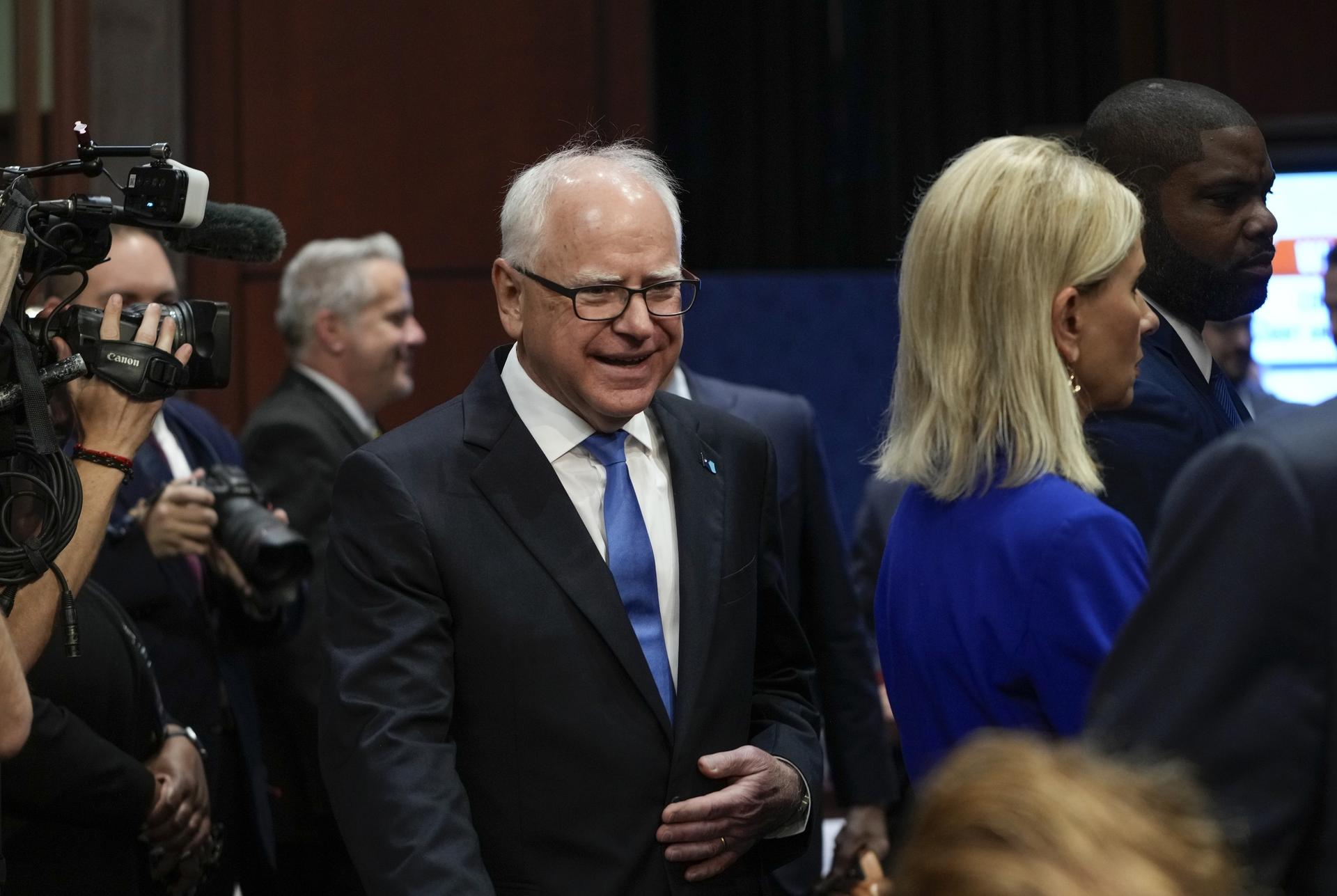
Minnesota Gov. Tim Walz signed the nation’s first law banning prediction market sites from operating in the state, making it a crime to host or advertise a prediction market and forcing platforms like Kalshi and Polymarket to leave Minnesota or face possible felony charges.
The law defines prediction markets as systems that let consumers place a wager on a future outcome, including sports, elections, live entertainment, someone's word choice and world affairs, and it extends to services supporting prediction markets like virtual private networks that could disguise a consumer’s location.

NPR said the prohibition takes effect in August, while the CFTC lawsuit seeks to block the law before it starts by arguing the prediction market industry should be exclusively regulated by federal officials.
CFTC Chairman Michael Selig said, "This Minnesota law turns lawful operators and participants in prediction markets into felons overnight," and NPR reported the CFTC also argued the ban would interfere with federal authority.
NPR further reported that the law includes a carve-out for event contracts that serve as an insurance policy in the event of "harm, or loss sustained" and for the purchase of securities and other commodities.
CFTC sues; Walz and farmers
In response to Walz’s signature, the Trump administration sued Minnesota, teeing up a legal battle over what NPR described as the most far-reaching crackdown on popular services like Kalshi and Polymarket.
NPR quoted Selig saying, "Minnesota farmers have relied on critical hedging products on weather and crop-related events for decades to mitigate their risks," as the federal regulator framed the dispute around agriculture.
Front Office Sports reported the CFTC is asking for an order that would stop the law from going into effect on Aug. F1, according to the complaint.
Front Office Sports also quoted Selig saying, "This Minnesota law turns lawful operators and participants in prediction markets into felons overnight," and it reported Minnesota Attorney General Keith Ellison said he is "very concerned about the harms of prediction markets on Minnesotans."F
Front Office Sports said Minnesota Rep. FEmma Greenman argued the CFTC’s decision to sue is "unsurprising" and said Minnesota will defend its authority to regulate gambling, including this law, because it is "the right thing to do to protect public health and consumer safety."
Broader fight and congressional stakes
The Minnesota ban is part of a broader standoff between states and the Trump administration over how to regulate prediction markets, with NPR saying the legal fight is expected and that more than 20 lawsuits have already been triggered over whether states or the federal government should oversee the industry.
“Kalshi spokeswoman Elisabeth Diana said banning prediction markets is a ‘blatant violation’ of the law.”
NPR reported that besides Minnesota, bills cracking down on the prediction market industry have been introduced in seven other states, and it said Hawaii and North Carolina have pending bills seeking to ban the industry statewide.
NPR also reported that Kalshi spokeswoman Elisabeth Diana said banning prediction markets is a "blatant violation" of the law and compared it to trying to ban the New York Stock Exchange.
HPPR reported that House lawmakers have debated whether to change House rules because House members and staff can still bet on prediction markets, and it quoted Rep. Ritchie Torres saying, "There's no justification for allowing members of a campaign or members of the government to bet on their own decision making."
HPPR said the White House sent an April memo warning staff and federal employees against using popular prediction markets Kalshi and Polymarket, while the Senate issued a chamber-wide prohibition on staff and Senators buying event contracts.