Treasury Secretary Scott Bessent Says US May Unsanction Iranian Oil Already Being Shipped
Key Takeaways
- Treasury may unsanction Iranian oil already shipped aboard tankers.
- Move could ease global energy prices amid Iran war and Hormuz disruption.
- Bessent frames oil as strategic leverage against IRGC chokehold in Hormuz.
Sanctions Relief Announcement
US Treasury Secretary Scott Bessent announced Thursday that the Trump administration may temporarily lift sanctions on approximately 140 million barrels of Iranian oil already loaded onto tankers.
“But he added that the move could bring minor relief to US allies and partners in Asia”
This move aims at curbing soaring energy prices caused by the Middle East conflict.

Bessent made the revelation during an interview on Fox Business's Mornings with Maria.
The administration is exploring various options to stabilize oil markets disrupted by Iranian attacks on regional energy infrastructure.
The Strait of Hormuz has experienced a virtual closure due to the conflict.
Brent crude oil prices have surged to around $112 per barrel amid the turmoil.
US gasoline prices have increased by more than 85 cents per gallon since the start of the war in late February.
The Treasury Secretary framed the potential move as part of a broader strategy during military operations against Iran.
Strategic Mechanics
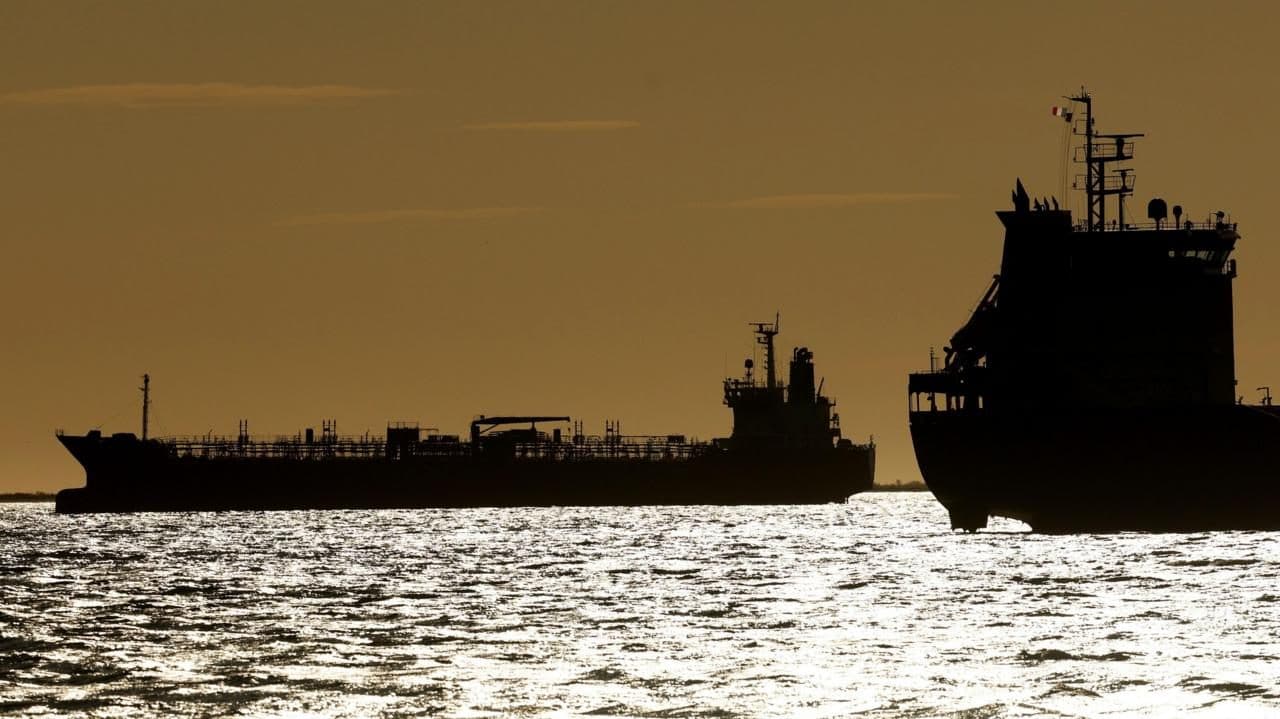
The proposed sanctions relief would target Iranian oil that is already in floating storage.
This oil has been effectively stranded due to existing US sanctions.
Bessent explained the strategic thinking behind the move.
He stated 'In essence, we will be using the Iranian barrels against the Iranians to keep the price down for the next 10 or 14 days, as we continue this campaign.'
He estimated that the 140 million barrels represents about 10-14 days of global supply.
The oil could be redirected from China to other countries like India, Japan, and Malaysia.
This approach builds on a similar move with Russian oil cargoes recently.
Bessent described this as creating '260 million excess barrels of energy' through 'physical intervention.'
Market Impact Analysis
Energy markets have been severely disrupted by the ongoing conflict.
“"Today, the Treasury Department’s Office of Foreign Assets Control issued a license broadly authorizing established U”
Iran's attacks on the world's largest liquefied natural gas facility in Qatar contributed to price volatility.
Iran has also made threats against regional energy infrastructure.
The International Energy Agency reported oil flows through the Strait of Hormuz have plummeted dramatically.
This represents the largest supply disruption in history.
Some analysts believe sanctions relief could provide temporary market stabilization.
Josh Young of Bison Interests suggested the proposal could help despite skepticism.
Rachel Ziemba warned the waiver would have limited impact due to relatively small supply.
Criticism and Concerns
The proposal has drawn significant criticism from experts and lawmakers.
They warn that easing sanctions could inadvertently benefit the Iranian regime.
David Tannenbaum of Blackstone Compliance Services called the move 'bananas'.
He stated 'Essentially we're allowing Iran to sell oil, which could then be used to fund the war effort.'
The House of Representatives passed a bill strengthening sanctions on Iran's oil sector this week.
This creates tension between the administration's market approach and congressional efforts.
Bessent portrayed the move as pragmatic economic tool to complement military action.
The administration faces the dilemma of potentially funding its adversary while fighting it.
Broader Administration Efforts
The Trump administration is pursuing multiple strategies to address energy price pressures.
“ports to be moved on U”
These include additional releases from the Strategic Petroleum Reserve.

They are also easing sanctions on Venezuelan oil.
The Treasury Department authorized PDVSA to sell oil directly to US companies and international markets.
This represents a significant shift after years of blocking dealings with Venezuela's oil sector.
President Trump also waived Jones Act requirements for 60 days.
This move aims to increase shipping flexibility and potentially lower transportation costs.
Experts caution SPR releases could increase market instability by depleting reserves.
More on Iran

Italy's Prime Minister Meloni Rules Out Military Mission in Strait of Hormuz, EU Favors Diplomacy.
10 sources compared

Trump Administration to Seize Iran's Kharg Island to Reopen Strait of Hormuz
16 sources compared

Iran Attacks Kuwaiti Oil Refinery as Tehran Steps Up Gulf Attacks
21 sources compared
Switzerland Halts Arms Exports to US Over Attacks on Iran, Citing Neutrality
16 sources compared