Crypto28 May, 20262 min read
Trezor Adds USDC And USDT Yield To Trezor Suite Via Morpho Integration
This article is an automated aggregation of coverage from news outlets. Our editorials offer in-depth analysis curated by the NewsCord team.
Trezor Suite adds native USDC and USDT yield powered by Morpho. Earn yield directly within Trezor without external wallets or DeFi apps.

Trezor’s Suite Yield Launch
Trezor added native stablecoin yield to Trezor Suite, letting users earn on USDC and USDT without leaving the hardware wallet’s interface. The feature launched in Suite v26.5.2 on May 28, 2026, and it is powered by Morpho. Trezor said the yield is sourced from borrowing activity on Morpho rather than from token incentive programs, with rates moving with demand and no fixed introductory rate tied to a reward program.
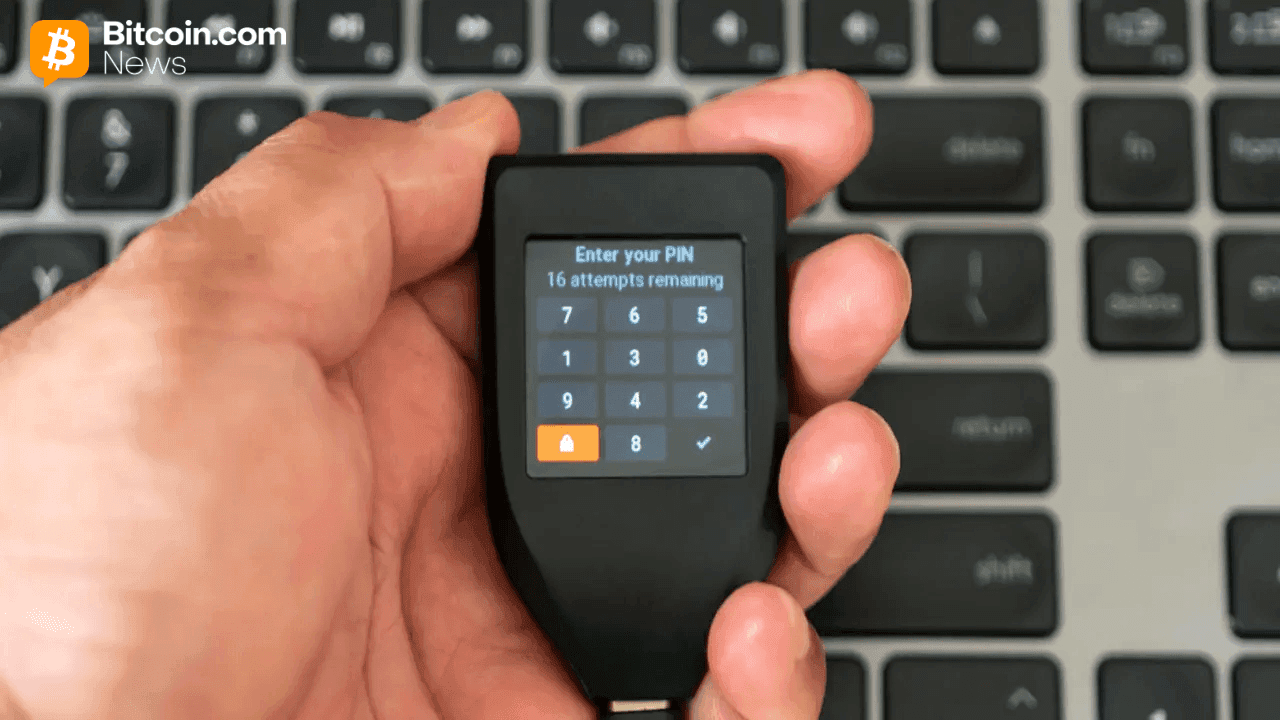
At launch, Trezor selected two Morpho vaults curated by Steakhouse, USDC Prime and USDT Prime, and users do not select the vaults themselves. Trezor said every deposit, withdrawal and reward claim is signed on the physical Trezor device, with clear-signing translating contract data into plain language on the device screen before the user confirms.
How It Works, Who Says What
Trezor said the workflow runs entirely inside Trezor Suite, with no browser extensions to install and no third-party wallets to connect, and it uses clear-signing for every on-chain interaction. Tomas Susanka, CTO at Trezor, said the goal was to remove a trade-off where “Users have had to choose between the security of their hardware wallet and access to DeFi yield, because getting yield meant connecting to something else,” and he added, “We have brought yield into the Suite environment, with every step signed on the device and translated into plain language before the user approves it.”
Paul Frambot, CEO and co-founder of Morpho, framed the integration as a scale fix, saying, “Over two million Trezor users can now earn yield on their stablecoin balances with the same device they already trust for custody,” and “This is how DeFi scales: by becoming invisible to users, easily accessible inside the interfaces and apps they already use.” The feature is live now on Trezor Suite desktop, while full mobile support is expected later in 2026, and users running bitcoin-only firmware will not see the yield option.

Rates, Withdrawals, and Risk
Trezor said there are no lockup periods, and users can initiate a withdrawal inside Suite, sign with their Trezor, and have the transaction settle on-chain. The integration also positions withdrawals as flexible because users hold standard ERC-20 vault tokens, meaning withdrawal is possible through any compatible interface independent of Trezor Suite.
In a separate framing of the same product, the Guardian said European fashion retailers face scrutiny after a deadly Bangladesh factory fire, but here the crypto focus is on how Trezor’s yield is generated from borrowing demand on Morpho rather than token incentive programs. Vitalik Buterin is quoted in the coverage as criticizing “USDC yield” strategies that remain heavily dependent on centralized issuers while failing to adequately address counterparty risk, and he proposed Ether-backed algorithmic stablecoins and overcollateralized real-world asset-backed stablecoins as alternatives.