
TRT World - UK, other European powers urge restraint on Iran war, resist deeper Hormuz involvement
Key Takeaways
- UK and European nations signal reluctance to enter deeper involvement in Middle East crisis.
- emphasising diplomacy and caution as tensions around Iran and the Strait of Hormuz continue.
- Prime Minister Keir Starmer says Britain will not be drawn into a wider war.
UK stance and energy measures
UK Prime Minister Keir Starmer said Britain will not be drawn into a wider war in the region, stressing that the government’s priority is to bring the fighting to an end while working with allies to maintain stability in global energy markets.
“The United Kingdom and other European nations have signalled reluctance to become more deeply involved in the escalating Middle East crisis, emphasising diplomacy and caution as tensions around Iran and the Strait of Hormuz continue”
He said the UK is cooperating with partners on a viable collective plan to restore freedom of navigation near the Strait of Hormuz, a critical global shipping route.
He warned that reopening the passage is essential to stabilising markets.
"We've already acted alongside other countries to release emergency oil stocks at a level that is completely unprecedented," Starmer said, "But ultimately we have to reopen the Strait of Hormuz to ensure stability in the market."
He defended his decision not to join military action against Iran, saying such decisions must be taken on a legal basis with a properly thought-through plan.
Starmer argued that ending the conflict would also help ease economic pressures at home, saying, "Ending war is the quickest way to reduce the cost of living."
He also announced domestic measures aimed at easing the financial burden on households, including extending caps on energy bills and fuel duty and allocating £53 million ($70 million) to support people facing rising heating oil costs.
European caution on involvement
Germany and Greece have signalled caution about expanding military involvement in the region.
German Foreign Minister Johann Wadephul questioned proposals for a NATO mission to secure the Strait of Hormuz, citing the need for clearer information about US and Israeli objectives.
"We expect from the US and Israel to inform us, to include us in what they’re doing there and to tell us if these goals are achieved," he said.
He added that once the situation becomes clearer, Europe should move toward defining a regional security architecture together with neighbouring states.
Long-term stability would likely require dialogue with Iran, though such discussions are not currently underway.
When asked about calls from US President Donald Trump for NATO allies to help secure the Strait of Hormuz, Wadephul reiterated that Germany does not intend to join military operations related to the conflict.
"To be honest, the situation hasn't changed at all since last night," he said. "I don’t see NATO having made any decision in that direction or assuming responsibility for the Strait of Hormuz."
European caution and energy security
The statements from UK and German officials illustrate a broad reluctance to escalate militarily in the region.
“The United Kingdom and other European nations have signalled reluctance to become more deeply involved in the escalating Middle East crisis, emphasising diplomacy and caution as tensions around Iran and the Strait of Hormuz continue”
They emphasize diplomacy, information-sharing, and potential regional security architecture over immediate military commitments.
Diplomacy over escalation
Western governments are prioritising diplomacy and economic stability rather than immediate military action.
Officials demand clearer information on US and Israeli objectives and potential regional security arrangements before committing to new actions.
More on Iran
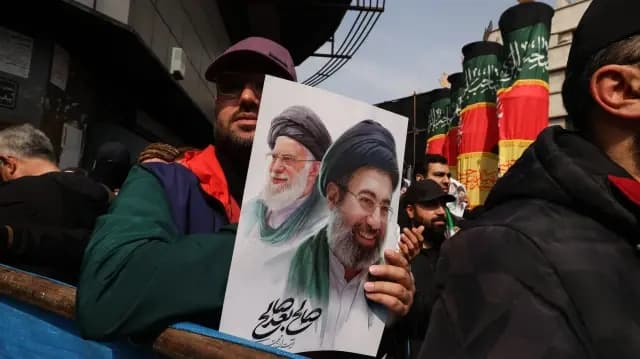
Russia Secretly Airlifts Iran's Supreme Leader Mojtaba Khamenei to Moscow for Surgery
11 sources compared
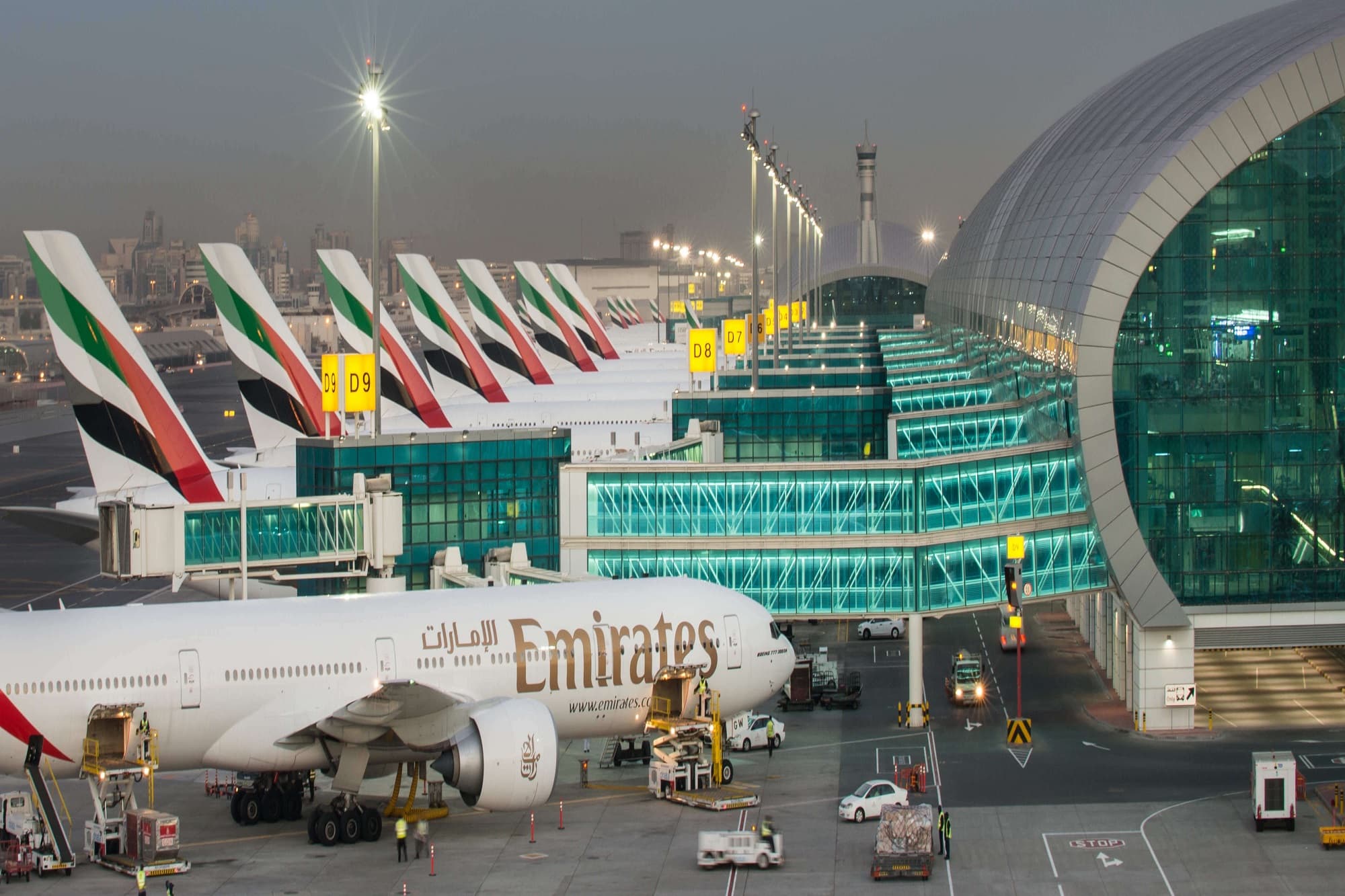
Iranian Drone Strike Shuts Dubai International Airport, Thousands Stranded
25 sources compared

Iran Drone Strike Shuts Dubai International Airport, Triggers Global Travel Disruption
16 sources compared

Iran's New Supreme Leader Mojtaba Khamenei Travels to Moscow for Leg Surgery
15 sources compared