
President Donald Trump Weighs Jones Act Waivers To Curb Gas Prices Amid Iran War
Key Takeaways
- Administration is considering a limited waiver of the Jones Act to ease fuel supply disruptions
- Action seeks to lower gasoline prices amid war-related oil supply disruptions from Iran
- Analyses conflict: shipping interests predict little effect; NBER study predicts sizable price reductions
Waiver under consideration
The White House is actively weighing a temporary waiver of the Jones Act to ease domestic fuel deliveries amid disruptions tied to the U.S.-Israel campaign in Iran.
“The Trump administration is prepared to waive the to loosen shipping rules as the continues, the White House said Thursday”
POLITICO reported that “In the interest of national defense, the White House is considering waiving the Jones Act for a limited period of time to ensure vital energy products and agricultural necessities are flowing freely to U.S. ports,” Leavitt said.
“This action has not been finalized.” Newsweek likewise quoted the White House press secretary: “This action has not been finalized,” press secretary Karoline Leavitt told Newsweek in a statement.
The Washington Post summarized the move as the administration “considering temporarily waiving a century-old shipping law to allow more ships to deliver at U.S. ports as global shipping disruptions continue due to the Iran invasion.”
The Times of India also conveyed the administration’s caution with the line: “This action has not been finalised.”
Crisis context
Officials say the consideration comes amid severe disruptions to shipping and surging oil prices after strikes and attacks tied to the wider Iran war, prompting emergency market interventions.
POLITICO reported that the administration “announced it would release 172 million barrels of crude oil from the Strategic Petroleum Reserve, joining more than two dozen member countries in the International Energy Agency’s biggest emergency oil release in history.”
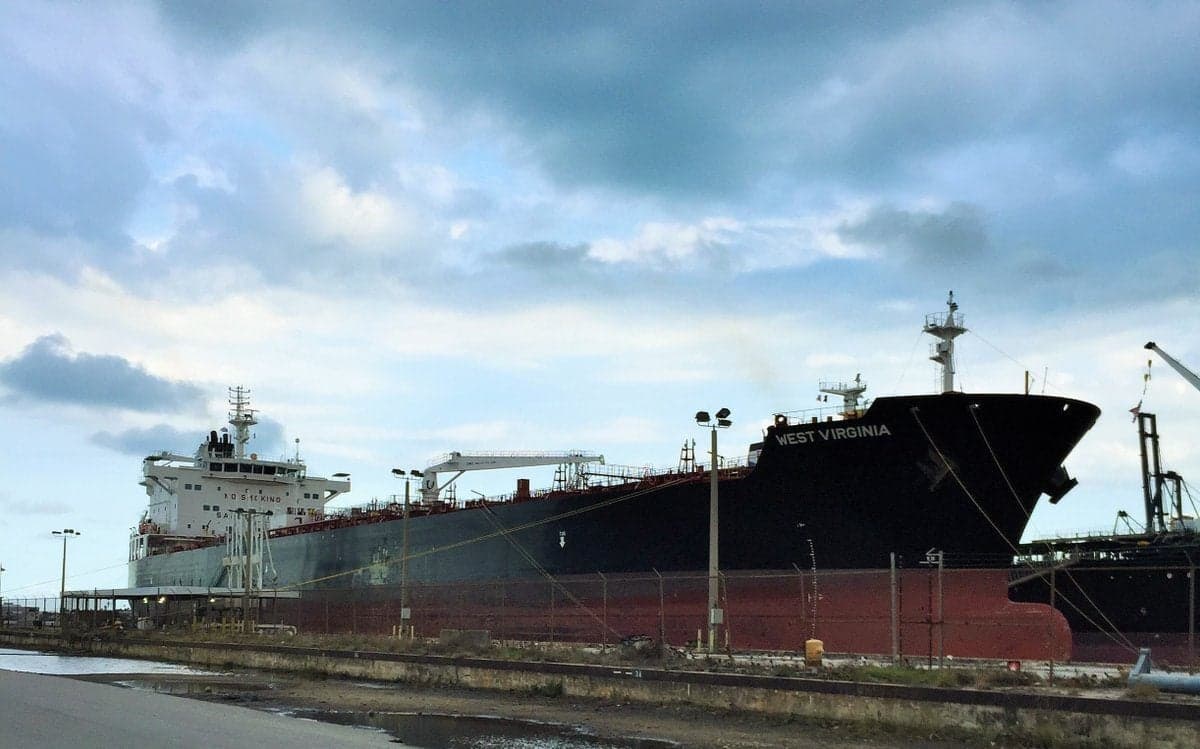
The Washington Post noted that “Shipping lanes and timelines have been snarled for nearly two weeks after the United States and Israel carried out strikes on Iran, leading to delays around the Strait of Hormuz and surging oil prices.”
Marine Link described the context as spiking fuel prices and disruptions “since the start of the U.S.-Israeli war on Iran.”
The Times of India placed the U.S. actions alongside a broader IEA effort, reporting that “multiple countries plan to release around 400 million barrels of oil from their reserves under International Energy Agency (IEA).”
Price impact assessment
Analysts and industry studies cited in coverage predict any temporary Jones Act waiver would have only modest direct effects on pump prices while helping move fuels between ports more quickly in constrained regions.
“Trump Administration Considers Jones Act Waiver The Trump administration is considering waiving the century-old Jones Act for a limited period to ensure energy and agricultural shipments can move freely between U”
gCaptain summarized industry analysis finding that “a separate analysis released by Navigistics Consulting reached a similar conclusion, estimating that even in the unlikely scenario where all savings from a waiver were passed directly to consumers, the nationwide impact would amount to less than a penny per gallon.”
Marine Link relayed tanker-market commentary and prices, noting “U.S. national average retail gasoline prices hit $3.60 a gallon on Thursday for the first time since May 2024, while diesel prices hit $4.89 a gallon, the highest since December 2022, data from the motorist association AAA showed,” and quoted Patrick De Haan saying, “On a daily basis, the waiver might slow price increases by around a nickel a gallon.”
POLITICO cited an economic official who judged a waiver “would probably have a small but useful impact on prices.”
Newsweek reminded readers of the Jones Act’s basics: “The Jones Act is a century-old law requiring goods shipped between American ports to be on ships built, owned and operated in the United States.”
Opposition and politics
Maritime labor groups, shipowners and industry analysts pushed back on the waiver idea, warning of job losses, security risks and limited consumer benefit, while the White House weighs political stakes ahead of midterm elections.
gCaptain quoted industry leaders and unions: “Waiving the Jones Act in an attempt to address raising fuel prices won’t work and it will jeopardize American jobs, U.S. tax revenue, and the future of the American maritime industry,” said Aaron Smith, the group’s president.

Newsweek reproduced the unions’ letter and listed signatories, noting it “was signed by leaders from American Maritime Officers, the American Radio Association, the International Organization of Masters, Mates and Pilot, Marine Firemen’s Union, Marine Engineers’ Beneficial Association, Sailors’ Union of the Pacific and Transportation Trades Department of the AFL-CIO.”
Marine Link and gCaptain both emphasized past waivers were rare: “The United States has issued Jones Act waivers in the past only sparingly, typically in response to major supply disruptions. The most recent waivers came after hurricanes such as Hurricane Harvey and Hurricane Maria in 2017.”
Coverage also flagged political risk, with The Washington Post calling rising pump costs “a concerning development for President Donald Trump’s administration, which had touted lowering pump prices in the last year,” and POLITICO reporting officials believe the administration “can withstand the political pressure from a surge in prices for as long as a month.”
More on Iran
US Bombs Military Sites on Iran's Kharg Island
10 sources compared
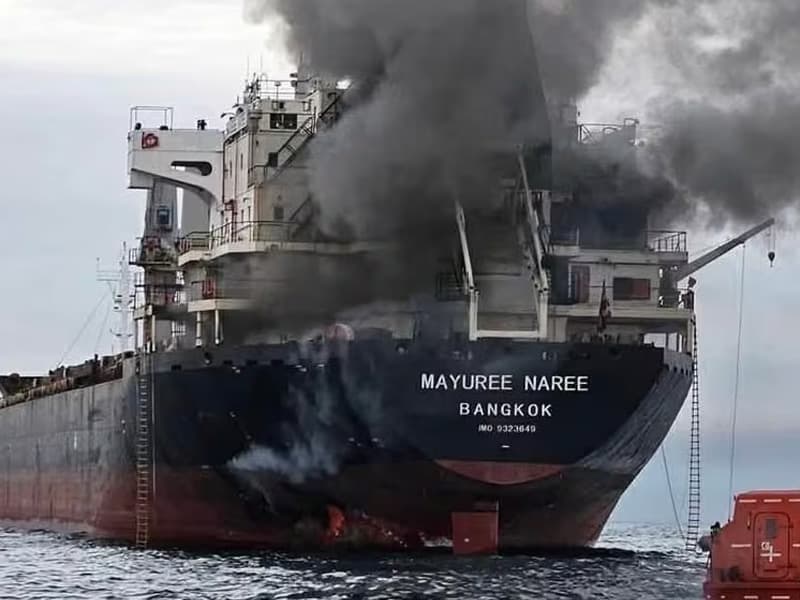
Iran Closes Strait of Hormuz, Chokes Global Shipping and Pushes U.S. Retail Prices Higher
41 sources compared
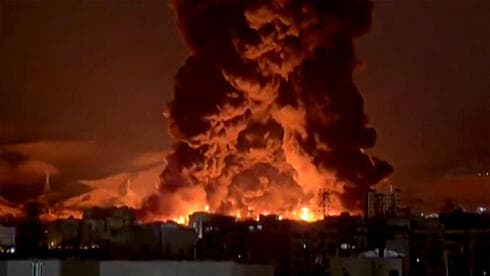
President Donald Trump Orders US Bombing of Iran's Kharg Island, Says Targets 'Totally Obliterated'
18 sources compared
US obliterates military targets on Iran’s Kharg Island, Trump warns
13 sources compared