
Trump Administration Offers 15-Point Ceasefire Plan Demanding Iran Restrict Nuclear Program, Reopen Hormuz
Key Takeaways
- Iran launched missiles and drones at Prince Sultan Air Base.
- U.S. officials report 12 wounded, two seriously.
- Several U.S. refueling aircraft were damaged at the base.
Casualty tallies diverge; patchy data
New casualty tallies after the Prince Sultan base attack reveal a sharp divergence among outlets, underscoring the challenge of reflecting reality in fast-moving West Asia confrontations.
“Saudi Crown Prince Mohammed bin Salman is reportedly urging U”
AP News reports at least 10 U.S. troops wounded and several planes damaged; other outlets cite higher figures as the situation evolves.
i24NEWS notes that on Friday alone the attack involved six ballistic missiles and 29 drones, wounding at least 15 troops, five seriously.
Middle East Eye tallies the higher end, saying 29 U.S. troops were wounded over the past week.
TRT World reports 12 American troops wounded, two seriously, in the same episode, highlighting how different aggregations can co-exist in a single day’s coverage.
The Times of Israel also cites multiple outlets reporting 10–12 wounded, reflecting a broader spectrum of casualty reporting as the crisis widens.
Ceasefire framework and responses
The single most important new development is the emergence of a contested ceasefire framework and the way it has been received by Tehran and Washington.
AP News reports that the Trump administration offered a 15-point plan for a possible ceasefire to Iran, with Pakistan as an intermediary, while signaling a pause on energy-related strikes to create space for talks.
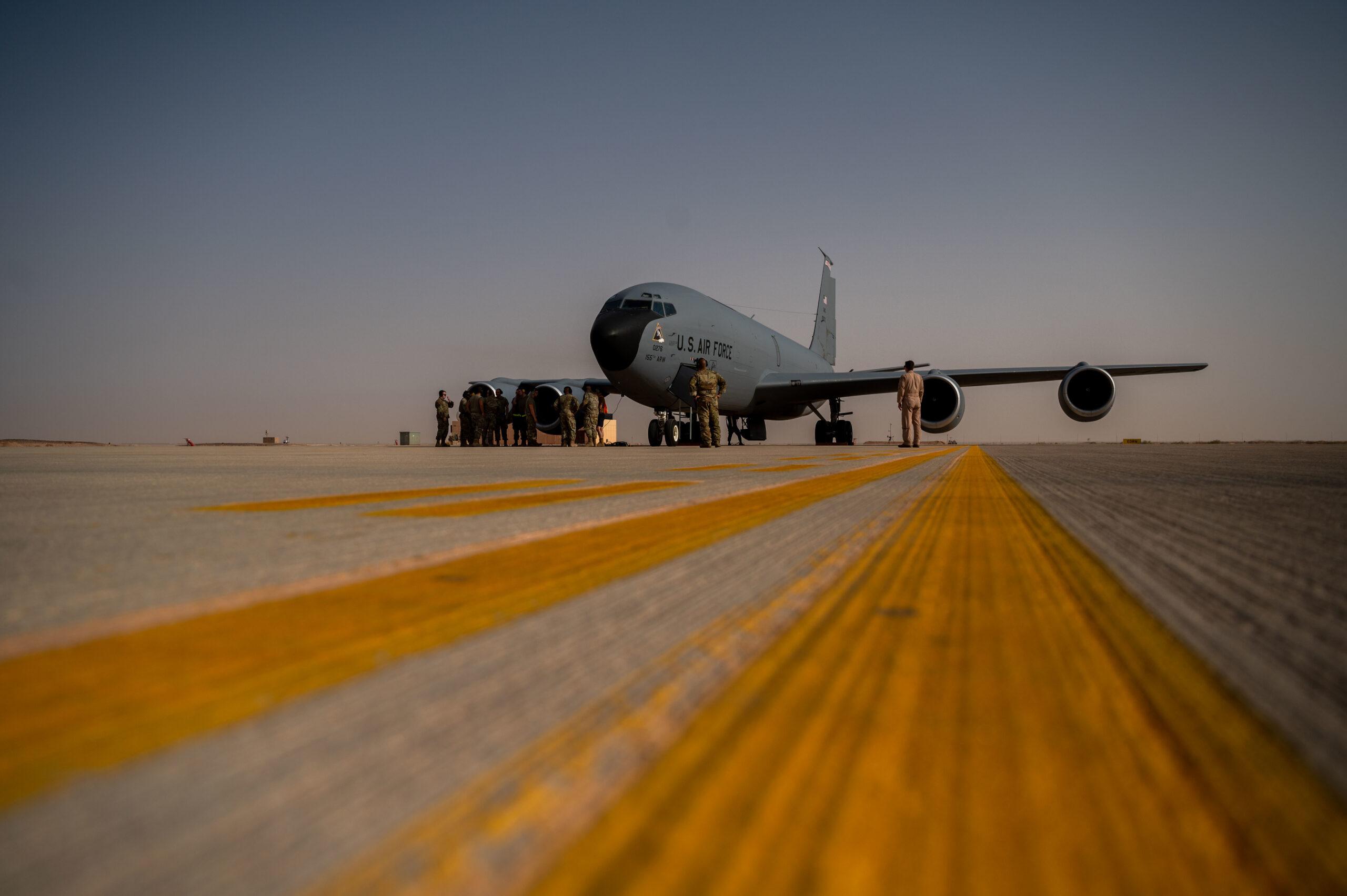
The Hill notes that Iran publicly rejected the U.S.’s 15-point peace plan, sending a counterproposal that calls for Iranian sovereignty over the Strait of Hormuz, an end to hostilities, and a stop to attacks on government officials.
CNBC adds that the plan purportedly includes restricting Iran’s nuclear program and reopening the Hormuz Strait, signaling a broader package beyond a simple pause.
Escalation beyond a single flare-up
Contextualizing the clashes, the escalation now reads as a broader US-Israel–Iran confrontation rather than a single flare-up.
“Saturday, 28/03/2026 ArEnFrEs [](http://almanar”
NPR describes the conflict as entering its one-month mark, with Iran firing ballistic missiles and drones at Saudi bases and the Pentagon tallying more than 300 wounded and 13 killed among U.S. forces.
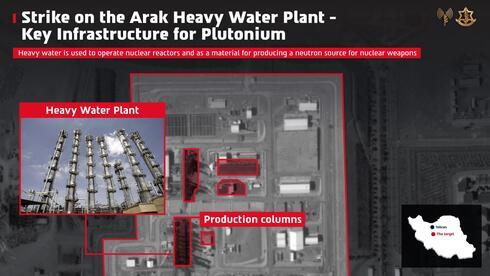
South China Morning Post emphasizes the cross-border dimension: while U.S. troops were wounded and planes damaged in Saudi Arabia, Israel targeted Iran’s nuclear facilities, signaling a two-front dynamic.
The Washington Post recounts that at least 10 U.S. troops were injured at Prince Sultan, underscoring the threat Iran still poses even as U.S. and allied forces press for a conclusion.
Across these frames, Rubio and other officials project the conflict as potentially protracted, with some emphasizing the need to 'adjust contingencies' should the threat spread further.
Regional framing and casualty context
Non-Western framing compounds regional angles and the diplomacy window.
Al-Manar cites AP reporting of 15 U.S. soldiers injured, with five in serious condition, framing the incident in the context of Iranian retaliation and regional resilience.

Türkiye Today outlines the geographic breadth, noting that an Iranian missile and drone assault wounded 12 U.S. troops at Prince Sultan and detailing the scale of missiles and drones involved.
Wakālah Waṭan Lil-Anbā’ (West Asian) quotes an American official via AP: 15 injured, five seriously.
i24NEWS reports that five serious injuries mark the Friday strike and emphasizes the overall scope with six missiles and 29 drones.
Diplomacy window and energy risk
Implications for mediation and regional energy security loom large as the fighting drags on.
“Iran struck a base in Saudi Arabia, wounding U”
AP News notes that Pakistan has indicated readiness to host high-level negotiations involving key officials from both sides.

DW reports that Pakistan is set to host talks involving Saudi Arabia, Turkey, and Egypt as part of broader efforts to de-escalate tensions.
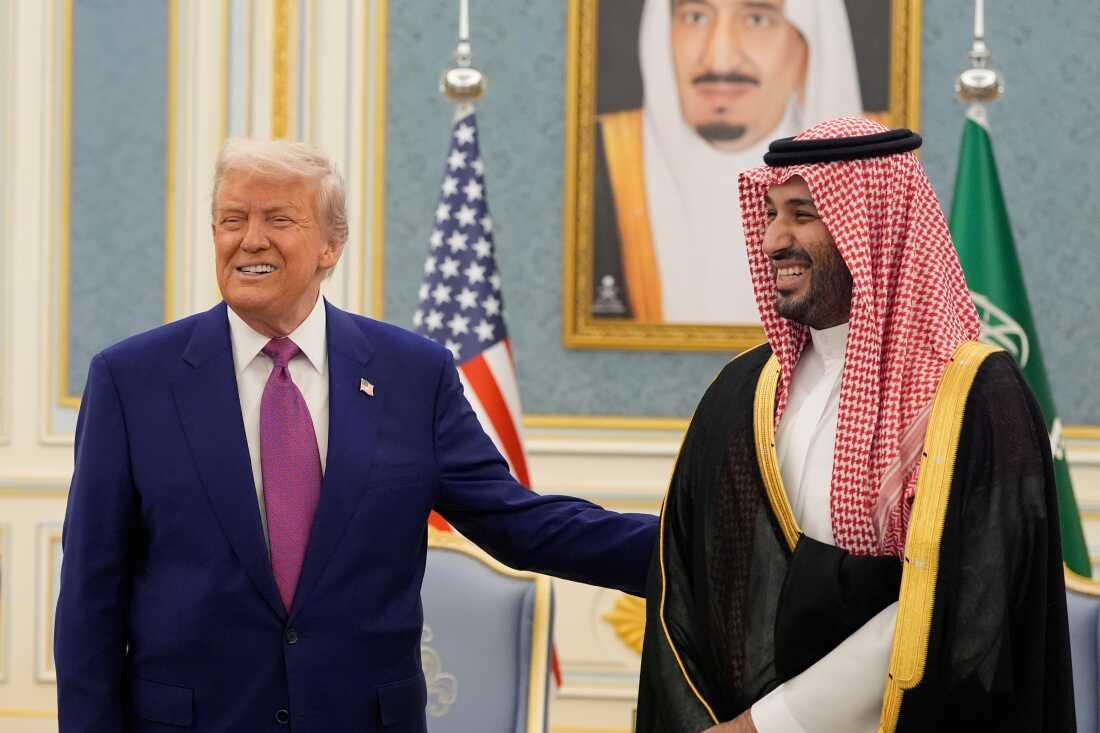
The Boston Globe describes Crown Prince Mohammed bin Salman pressing Trump to keep up the war as a strategic bet to reshape the Middle East.
NPR highlights the casualty toll and the regional deployments intended to deter further strikes, while noting the energy market consequences.
More on Iran
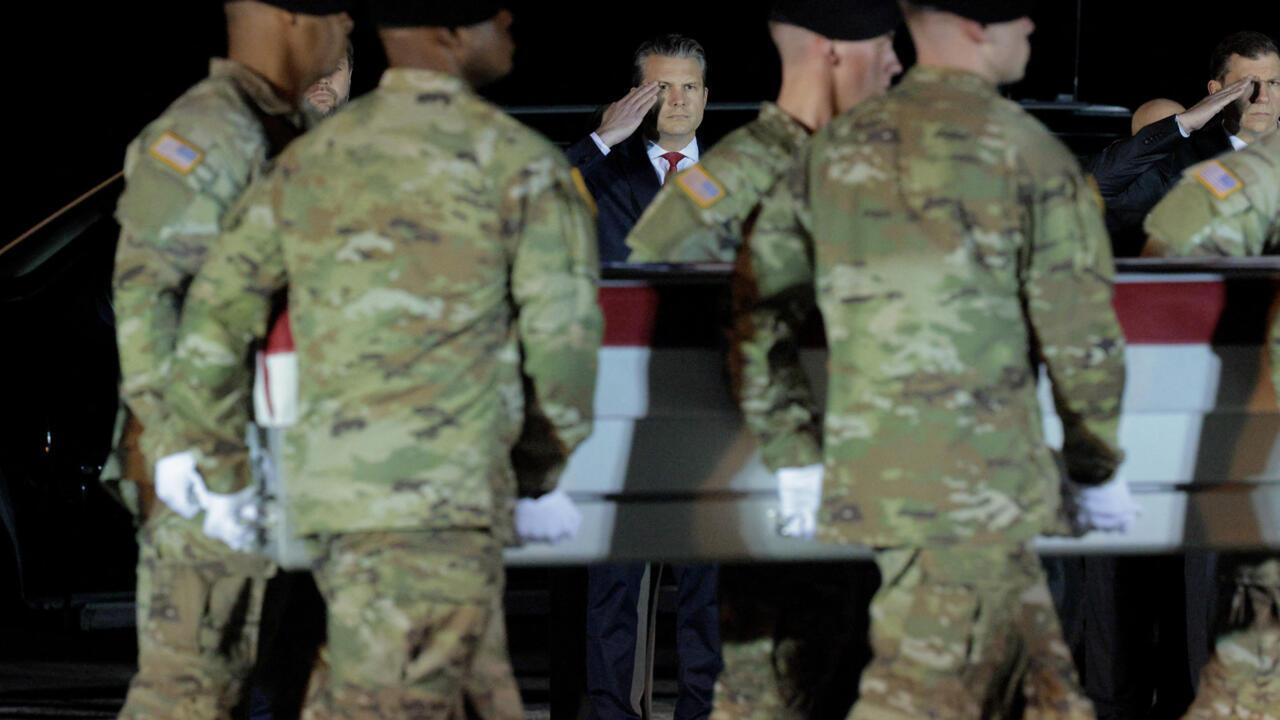
Iran Strikes Prince Sultan Air Base With Missiles, 29 Drones; Refueling Plane Destroyed, 10–15 Wounded
13 sources compared
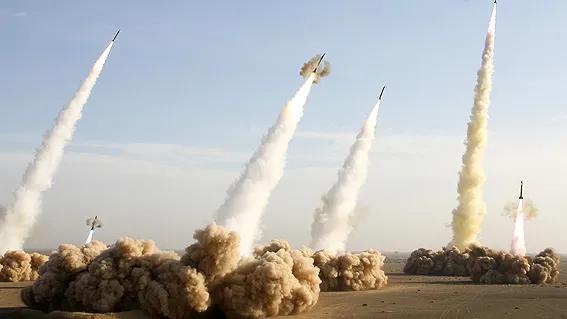
Iran Claims To Have Destroyed Multiple KC-135 Tankers At Prince Sultan Air Base
16 sources compared

U.S. Fires Over 850 Tomahawk Missiles at Iran in Four Weeks, Pentagon Alarmed
11 sources compared
President Trump Extends 10-Day Pause On Iran Energy Strikes To April 6, Sends 15-Point Plan
21 sources compared