USA16 April, 20261 min read
Trump Administration Pushes Nations to Reject Aid in Favor of Trade and U.S. Business
This article is an automated aggregation of coverage from news outlets. Our editorials offer in-depth analysis curated by the NewsCord team.
Administration invites governments to join 'Trade Over Aid' caucus to curb aid. Declaration frames aid reduction as pro-trade, rejecting the U.S. role as humanitarian donor.
Trade Over Aid
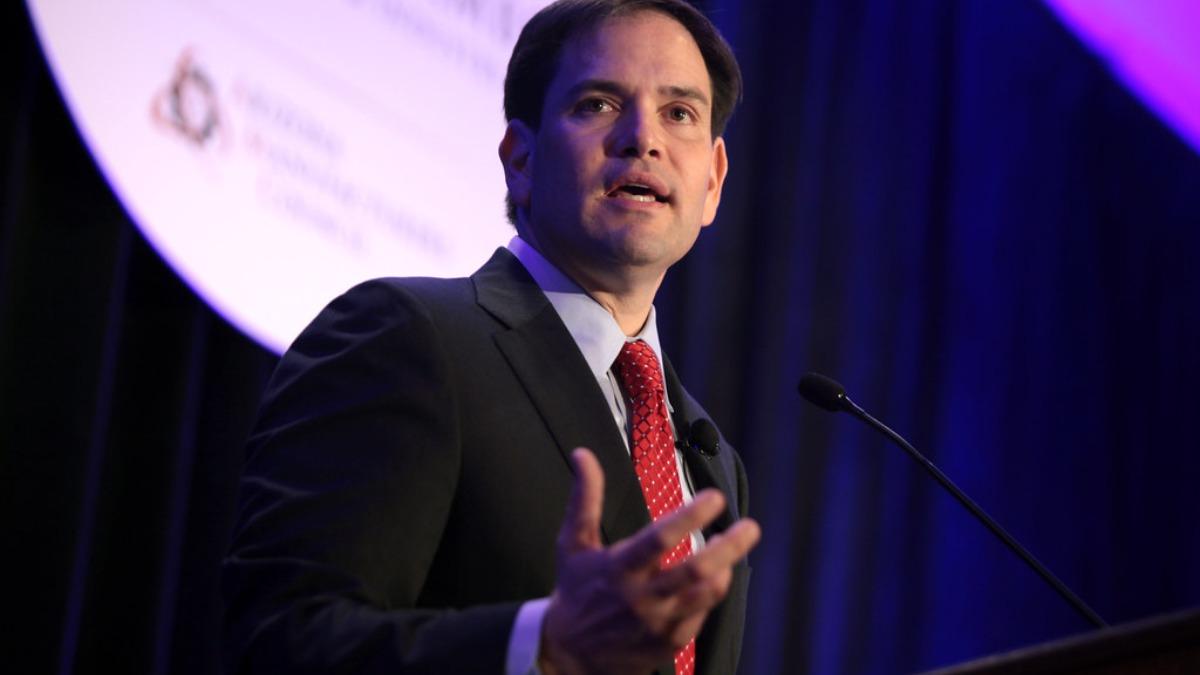
The Trump administration is pushing a trade over aid agenda that seeks to replace traditional humanitarian assistance with commercial trade and investment. Secretary of State Marco Rubio issued a cable ordering diplomats to secure backing for a joint declaration that explicitly rejects America’s history as a leading provider of humanitarian assistance. The initiative is framed as an opportunity to promote America First values and create business opportunities for U.S. companies within the U.N. system.
USAID was dismantled on February 4, 2026, and funding pulled from multilateral efforts at the United Nations. One State Department official told Attack of the Fanboy, It’s solidifying our stance on dropping aid completely and letting companies enrich themselves in newer markets.
Global Aid Recession
The Trump administration's overhaul of the global aid system has contributed to a great aid recession. Other major donors including France, Germany, and Britain have scaled back their efforts. A peer-reviewed study published in The Lancet projects that global aid cuts could lead to at least 9.4 million additional deaths by 2030.
The study examined data from 93 low-income and middle-income countries. Refugees International president Jeremy Konyndyk said, What we can say with confidence is these cuts are already killing people.

International Pushback
The trade over aid initiative faces significant headwinds internationally. Sam Vigersky said the initiative comes across as undermining the U.N. The U.N. has responded by implementing austerity measures.
The collapse of U.S.-Iran nuclear talks has added further uncertainty. Critics argue the approach prioritizes profits over humanitarian needs.