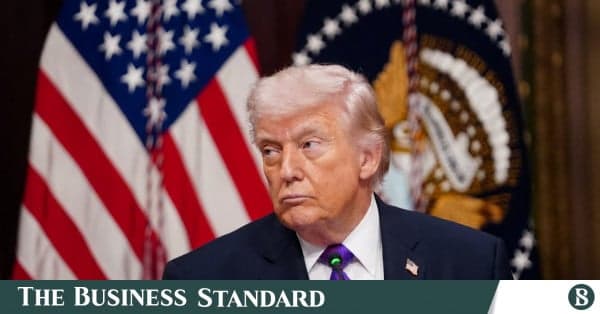
Trump Aides Battle Over Timing And Terms Of U.S. Exit From Iran War
Key Takeaways
- White House factions are driving Trump's shifting public statements on the Iran war
- Aides debate when and how to declare victory while the war spreads regionally
- Economic team warns oil shocks; political aides favor quick limited operations; hawks seek sustained pressure
Aides split on exit
Senior Trump aides are sharply divided over the timing and terms of a U.S. exit from the Iran war, with hawkish national-security figures urging continued pressure while a separate populist bloc and media-aligned advisers push to avoid a prolonged Middle East conflict.
“Exclusive-With Iran war exit elusive, Trump aides vie to affect outcome WASHINGTON, March 13 (Reuters) - A complex tug-of-war inside the White House is driving U”
AL-Monitor reports that “He is allowing the hawks to believe the campaign continues, wants markets to believe the war might end soon and his base to believe escalation will be limited,” and that “A third force comes from Trump’s populist base and figures such as strategist Steve Bannon and right-wing television personality Tucker Carlson, who have been pressing him and his top aides to avoid getting dragged into another prolonged Middle East conflict.”

The Business Standard adds that Iran “has proved a much tougher, better-armed foe with an entrenched clerical and security establishment,” a reality that complicates any plan for a quick, clean exit.
Economic pressure and messaging
Economic and political pressures are powerfully shaping the debate about exit timing: top aides and economic advisers have pushed messaging aimed at calming markets and limiting fuel-price shocks even as other advisers press for a decisive military conclusion.
AL-Monitor says “top political aides and economic advisers, whose warnings before the war of the potential economic shock were largely ignored, appear to have played a major role in pushing Trump’s efforts this week to reassure skittish markets and contain rising oil and gas prices,” and that the president publicly downplayed the war’s impact, calling it a “short-term excursion.”

The Business Standard notes that earlier quick military success in Venezuela — which “opened the way for Trump to coerce former Maduro loyalists into giving him considerable sway over the country's vast oil reserves” — shaped expectations that a similar rapid payoff in Iran would be possible, a calculation that advisers now argue was misplaced.
Conflicting war aims
There is no single, consistent war aim in public messaging, and some aides explicitly want a military finish that can be portrayed as a triumph even if Iran's leadership survives.
“Highlights: - White House factions shape Trump's messaging - Economic team warns of oil shock - Political aides urge limited, quick operation - Hawks push for sustained Iran pressure A complex tug-of-war inside the White House is driving US President Donald Trump's shifting public statements on the course of the Iran war, as aides debate when and how to declare victory even as the conflict spreads across the Middle East”
AL-Monitor documents that “the administration's stated war aims have ranged from thwarting an imminent attack by Iran to crippling its nuclear program to replacing its government,” and that “Some top aides have advised him to work toward a conclusion to the conflict that he can call a triumph, at least militarily, the sources said, even if much of the Iranian leadership survives, along with remnants of a nuclear program that the campaign was meant to target.”
At the same time, The Business Standard reports U.S. intelligence saying “Iran's leadership is not at risk of collapse anytime soon,” underlining why some advisers urge managing expectations about what a successful exit can actually achieve.
Military gains and limits
Militarily, U.S. and Israeli strikes have inflicted significant damage but face strategic limits and blowback that complicate an exit timeline.
AL-Monitor says “Wave after wave of U.S. and Israeli air strikes have killed a number of top Iranian leaders among some 2,000 people overall ... devastated its ballistic missile arsenal, sunk much of its navy and degraded its ability to support armed proxies around the Middle East,” but adds the gains have been “seriously undercut by Iran’s stepped-up attacks on oil tankers and transport facilities in the Gulf, driving up oil prices.”
The Business Standard also records expert skepticism about pre-war U.S. claims on Iran's nuclear timeline, noting that experts “have rejected claims by Trump aides that Iran had been within weeks of being able to produce a nuclear weapon” and that much of Iran’s enriched uranium “is believed to have been buried by the June strikes.”
Messaging and uncertainty
Uncertainty about exit terms is compounded by contested messaging from the White House and competing international consequences, leaving both goals and timeline in doubt.
AL-Monitor records the White House pushback — spokeswoman Karoline Leavitt said the article was “based on gossip and speculation from anonymous sources” and defended the president as “the final decision maker,” while the same reporting notes “Trump has said he will decide when to end the campaign” and that “The shifting reasons for launching the conflict ... have only made it more difficult to predict what comes next.”
The Business Standard adds that part of the confusion stems from comparisons to the Venezuela operation, saying “At least some of the confusion over the war's trajectory appears rooted in the quick US military success in Venezuela,” and AL-Monitor warns Iran and its leaders will claim victory simply for surviving and demonstrating an ability to fight back.
More on Iran
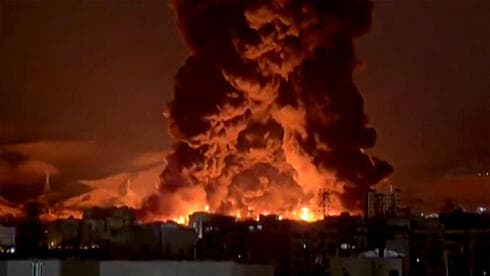
Trump Says U.S. Bombed Military Sites on Kharg Island, Iran's Oil Hub
14 sources compared
FBI Warns of Iranian Drone Plot Based on Unverified Tip; California Says No Credible Threat
10 sources compared

White House Demands ABC Retract Report Claiming Iran Sought To Launch Drone Attacks On California
11 sources compared

Iranian Proxy Claims It Shot Down US Refueling Plane in Iraq; US Military Says Otherwise
17 sources compared