
Trump and Iran Sign MOU To End Hostilities, Clear Hormuz Mines, Resume Strait Traffic
Key Takeaways
- US and Iran sign MOU to end hostilities and restart talks.
- 14-point framework details steps, including restoring Strait of Hormuz traffic.
- Trump signed the MOU.
MOU restarts Hormuz traffic
The United States and Iran signed a memorandum of understanding aimed at ending hostilities and resuming the flow of traffic through the Strait of Hormuz, with President Donald Trump and Iranian President Masoud Pezeshkian digitally signing a copy on Wednesday.
“'Survival has become a priority': Iranians react to memorandum of understanding with US "They don't care about us," an Iranian man said of the regime amid negotiations”
The agreement’s immediate effect includes steps for maritime security, including that Iran will clear Hormuz mines and order ships to designated routes, while the Joint Maritime Information Center reduced the maritime security threat level in the Strait of Hormuz, Arabian Gulf and Gulf of Oman to “moderate” Thursday.
A White House Special Envoy, Steve Witkoff, told lawmakers that Iran is set to invite the International Atomic Energy Agency (IAEA) to inspect its nuclear sites, with a side letter drafted between Tehran and the IAEA extending the invitation.
In the same reporting, Iran’s Supreme National Security Council said traffic through the Strait of Hormuz will increase gradually and that mine-clearing operations will be carried out under the new Islamabad MOU.
The BBC said the 14-point agreement is set to reopen the pivotal Strait of Hormuz and that it commits a $300bn fund for the “reconstruction and economic development” of Iran.
Hardliners threaten, Iranians doubt
Iran’s hardline parliament speaker and key negotiator Mohammad Bagher Ghalibaf warned Tehran would not honor its commitments under the newly signed memorandum if Washington fails to uphold its side of the deal, saying, "If the United States does not honor its commitments, there is no way Iran will honor its own commitments."
Islamic Revolutionary Guard Corps Quds Force commander Esmail Qaani echoed the threat, telling the U.S. in remarks translated by MEMRI TV that, "Americans should know their place and avoid confronting the Muslims."

In Iran, ABC News reported low-level enthusiasm and included an Iranian man’s reaction that, "They don't care about us," as negotiations proceed under the memorandum of understanding.
ABC News also quoted a 36-year-old Iranian, Sohrab, saying, "I feel numb. I feel suspended. I can't let myself believe anything good can happen," while describing life in Semnan east of Tehran.
The BBC framed the deal as performance-based, noting that the agreement says Iran will never have a nuclear weapon and that the U.S. and Iran will declare an "immediate and permanent" termination of military operations on "all fronts" including Lebanon.
What’s at stake next
The Council on Foreign Relations said the initial pact—the memorandum of understanding—will start with reopening the Strait of Hormuz and then move into sixty days of negotiations about sanctions and Iran’s nuclear program, with the option to extend if both sides mutually agree.
The BBC reported that the agreement says the U.S. will begin removing its naval blockade and that the blockade will end fully within 30 days, while the U.S. commits to removing American forces from the "proximity of Iran" within 30 days of a final deal.
Al Jazeera said the memorandum’s first clause calls for the “immediate and permanent termination of military operations on all fronts, including in Lebanon,” while also noting the agreement makes no mention of Israel and that Israel has stated it will not withdraw from Lebanon.
Al Jazeera also described the fourth paragraph as stating that the U.S. “will begin the removal of its naval blockade” and “will fully end the naval blockade within 30 days,” and it said the fifth point states Iran will make “its best efforts for the safe passage of commercial vessels with no charge for 60 days only”.
In parallel, the Fox News report said the JMIC advised vessels transiting the area to contact U.S. Naval Forces Central Command’s Naval Cooperation and Guidance for Shipping (NCAGS) for information on safe transit routes, linking the next phase of shipping to the agreement’s implementation.
More on Iran

Trump Signs Iran MOU, Lifts Blockade, Reopens Strait of Hormuz for 60-Day Talks
14 sources compared
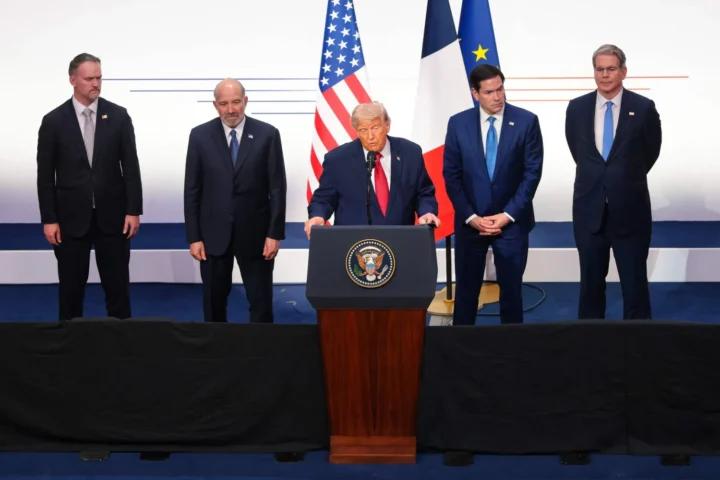
Donald Trump and Masoud Pezeshkian Sign U.S.-Iran MOU to Halt Fighting and Reopen Strait of Hormuz
15 sources compared
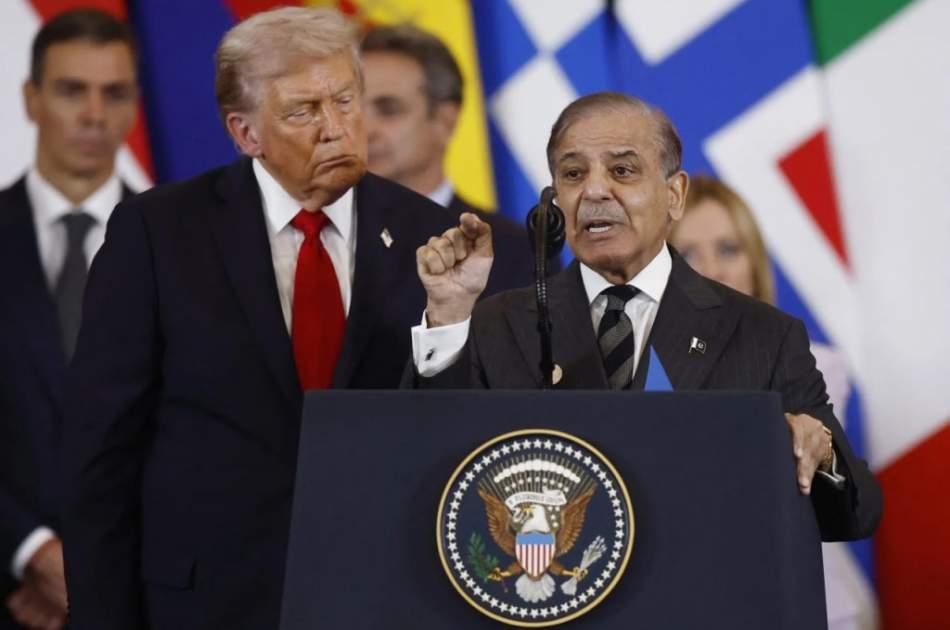
US Lifts Naval Blockade of Iranian Ports as JD Vance Says Oil Flows Through Strait of Hormuz
18 sources compared

Iran’s Supreme National Security Council Exempts Hormuz Transit Fees for 60 Days
28 sources compared