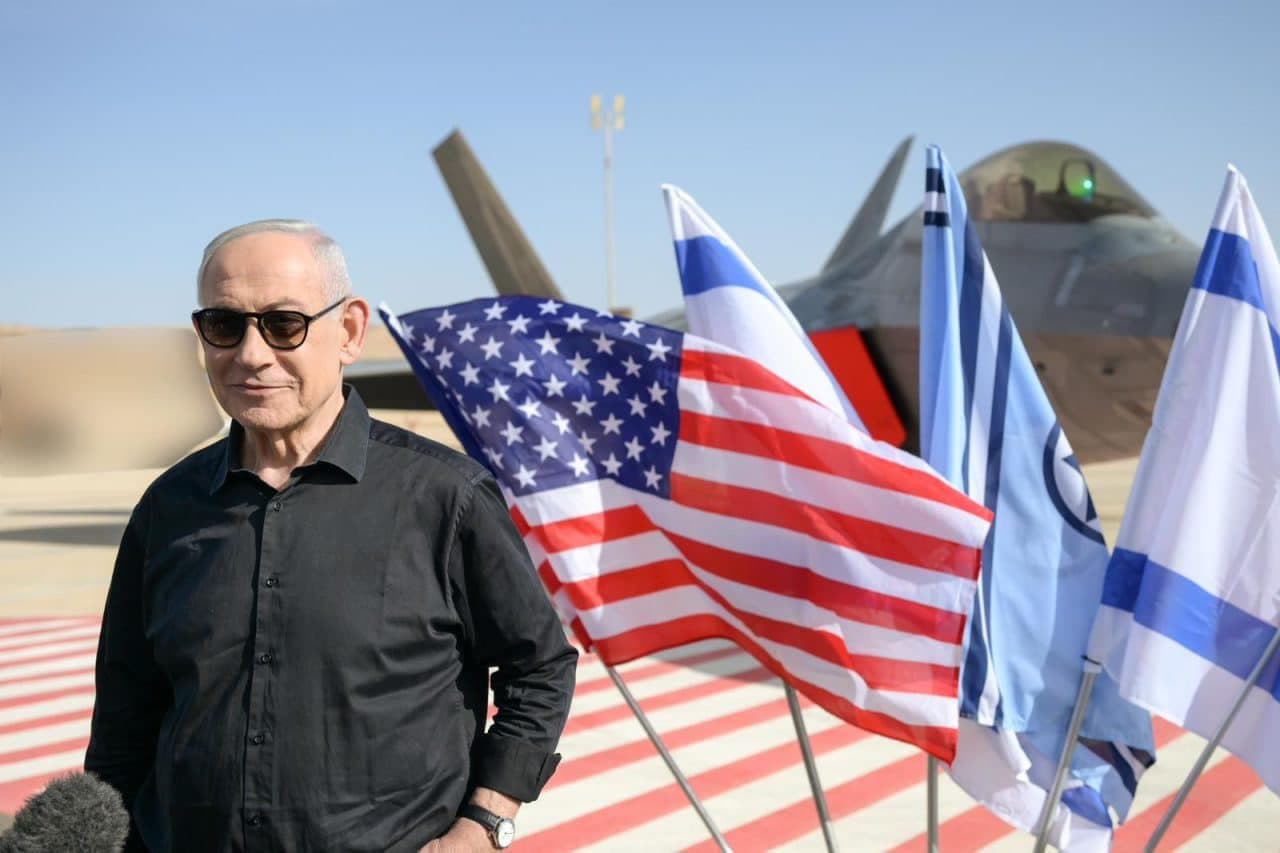
Trump and Netanyahu Assassinate Iran's Supreme Leader as U.S.-Israeli Assault Intensifies
Key Takeaways
- Ongoing U.S.-Israeli assault on Iran continues, described as an escalation.
- Trump leads the operation, with coverage portraying it as aggressive policy.
- The reporting notes a unilateral approach lacking traditional diplomatic legitimacy and coalitions.
Assassination Escalation
The assassination attempt on Iran's Supreme Leader Mojtaba Khamenei marks a dramatic escalation in the U.S.-Israeli regional conflict.
“America’s attitude toward allies leading up to the Iran war was the geopolitical equivalent of a slogan on a jacket once notoriously sported by first lady Melania Trump: “I Really Don’t Care”
Trump and Netanyahu orchestrated a targeted strike that has destabilized the entire Middle East.

The CNN article references 'the newly anointed Supreme Leader Mojtaba Khamenei, if he survives,' indicating that the assassination attempt was successful in removing the previous leader but left the succession uncertain.
This attack represents a significant departure from previous U.S. policy and demonstrates the extreme measures being taken by the Trump administration to reshape the regional order.
The assassination comes amid intense military operations that have expanded beyond Iran's borders to include Lebanon, Gaza, and the West Bank.
This suggests a coordinated regional strategy rather than isolated conflicts.
Gulf Alarm
Gulf states hosting U.S. military bases are growing increasingly alarmed as they discover that their alliance with America makes them targets in a conflict that is not their own.
Qatari Emir Sheikh Tamim bin Hamad Al-Thani emphasized during a call with Trump 'the importance of containing the crisis and intensifying diplomacy to end it,' signaling deep regional concern.
Oman's Foreign Minister Badr Albusaidi further escalated the warnings, declaring that the region was at a 'dangerous turning point.'
Multiple sources indicate that government and military officials in Gulf Cooperation Council nations are beginning to resent Trump's administration.
A former senior US official in the region described the messaging from Washington as 'almost pornographic' and suggested it shows leaders 'enjoying the bloodshed, with no clear endgame.'
These reactions highlight the growing rift between U.S. strategic objectives and the security concerns of its traditional Arab allies.
Strategic Objectives
The U.S.-Israeli alliance appears to be pursuing coordinated strategic objectives that extend beyond regime change in Iran to reshape the entire regional power structure.
“America’s attitude toward allies leading up to the Iran war was the geopolitical equivalent of a slogan on a jacket once notoriously sported by first lady Melania Trump: “I Really Don’t Care”
CNN reports that Israeli Prime Minister Benjamin Netanyahu told Fox News he believes the war will be a 'gateway for peace' in Saudi Arabia, indicating a broader normalization strategy.
However, two former senior Israeli officials maintain close relationships with Gulf states and have expressed 'growing concern' about Israel's military ambitions.
These officials note that far-right ministers in the Israeli government have declared their intention to 'control territory to the Euphrates and the Tigris' rivers in Iraq.
This suggests Israeli expansionist goals that go beyond simply countering Iranian influence.
Mondoweiss characterizes the entire operation as 'the same colonial project, moving simultaneously on multiple fronts,' indicating a comprehensive strategy to redraw the Middle East map.
Global Ripple Effects
The consequences of the Iran war are rapidly expanding beyond regional boundaries, creating global ripple effects that threaten to undermine other U.S. strategic interests.
According to Mondoweiss analysis, 'Trump's decision to relax restrictions on Russian oil sales to try to soften the global price shock is feeding Russian military capacity at the precise moment U.S. munitions stocks are being drained by the Iran campaign.'
This represents a critical strategic blunder that simultaneously strengthens Russia while depleting American resources.
The article further states that 'the war on Iran may be the single most damaging thing that has happened to Ukraine's prospects in years,' suggesting that the conflict is severely undermining U.S. efforts to support Ukraine against Russian aggression.
CNN reinforces this perspective by noting that 'the war's endgame will also be a minefield for US allies,' with the potential for Trump to 'mirror his domestic approach by declaring victory, walking away and leaving everyone else to deal with the consequences.'
These interconnected global challenges demonstrate how the Iran adventure has become a strategic liability rather than an asset.
Coordinated Regional Assault
The U.S.-Israeli assault on Iran is inextricably linked to parallel conflicts across the region, with Israel using the cover of the larger war to accelerate its objectives in Lebanon and the Palestinian territories.
“America’s attitude toward allies leading up to the Iran war was the geopolitical equivalent of a slogan on a jacket once notoriously sported by first lady Melania Trump: “I Really Don’t Care”
Mondoweiss provides crucial analysis that 'Lebanon is where the Gaza doctrine is being implemented next,' noting that Israel's war in Lebanon has evolved beyond targeting Hezbollah's weapons.
Israel is pursuing 'de-Hezbollahification' - the attempt to erase Hezbollah as both a military and political force.
The article references Israeli Finance Minister Bezalel Smotrich's statement that Beirut's Dahiya district will 'soon resemble Khan Younis in Gaza,' indicating plans for widespread destruction.
At the same time, Israel has exploited the regional distraction to tighten its grip on the West Bank, with settlers killing five Palestinians in pogroms within a single week.
This coordinated approach demonstrates what Mondoweiss identifies as 'the same colonial project, moving simultaneously on multiple fronts, using the chaos of each new theater to advance under the cover of the last.'
Political Fallout
Despite the apparent military escalation, the U.S.-Israeli alliance faces significant domestic and international political challenges that threaten to undermine their objectives.
Mondoweiss reports that 'The American public has already moved. Support for Israel is at a historic low,' with establishment politicians increasingly willing to call Israel an apartheid state and even condition military aid.
This growing domestic opposition suggests that the leadership's calculation that 'the opposition being too slow and too disorganized to matter' may prove incorrect.
CNN notes that Trump administration officials are becoming increasingly frustrated with European allies, with Defense Secretary Pete Hegseth chiding those who 'wring their hands and clutch their pearls' while 'hemming and hawing about the use of force.'
This dismissive attitude toward international partners may further isolate the U.S. and Israel diplomatically.
Meanwhile, Iran appears to be strategically prolonging the conflict to inflict 'cascading pain on its adversaries,' understanding that the longer the war continues, the greater domestic and international pressure will become on the architects.
More on Iran
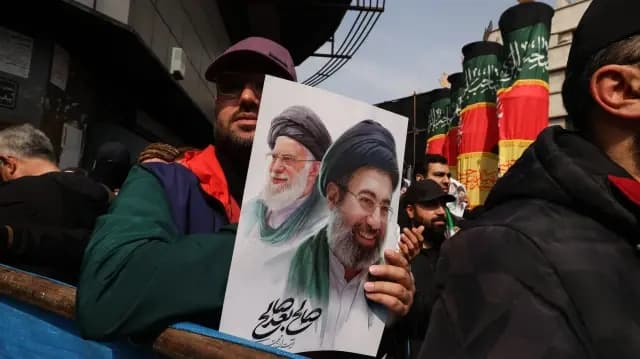
Russia Secretly Airlifts Iran's Supreme Leader Mojtaba Khamenei to Moscow for Surgery
11 sources compared
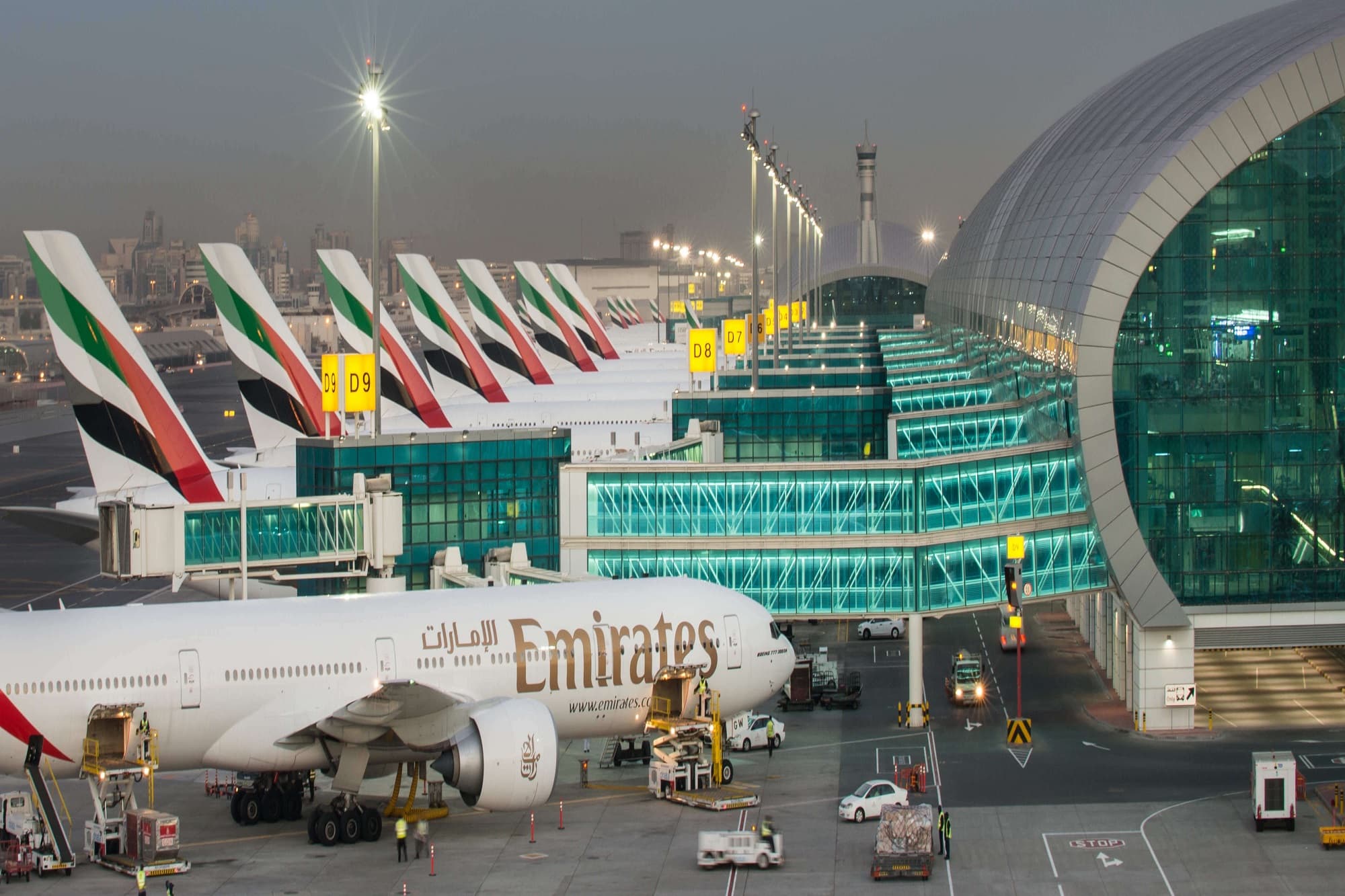
Iranian Drone Strike Shuts Dubai International Airport, Thousands Stranded
25 sources compared

Iran Drone Strike Shuts Dubai International Airport, Triggers Global Travel Disruption
16 sources compared

Iran's New Supreme Leader Mojtaba Khamenei Travels to Moscow for Leg Surgery
15 sources compared