
Trump and Netanyahu Hold Tense Call Over New Iran Deal Proposal, Axios Says
Key Takeaways
- Trump and Netanyahu held a tense call over a new Iran peace proposal.
- Iran is reportedly examining the new US proposal amid the talks.
- Mediators are pursuing a ceasefire framework and negotiations to end the war.
Trump-Netanyahu call over Iran
U.S. President Donald Trump and Israeli Prime Minister Benjamin Netanyahu held a difficult phone call on Tuesday about a new effort to reach a deal with Iran, with one source telling Axios that Netanyahu's "hair was on fire after the call."
“Trump gives Iran deal ‘one shot’ as Tehran warns of wider war US president says ‘no hurry’ for agreement after IRGC warns renewed attacks could broaden conflict ‘beyond the region’ 20 May 2026 US President Donald Trump said Wednesday that he will give diplomatic efforts to permanently end his war on Iran a last, final chance”
Axios reported that mediators were working on a "letter of intent" to end the war and launch a month-long period of negotiations covering Iran's nuclear program and opening the Strait of Hormuz.

The Jerusalem Post said Trump told reporters that Iran and the U.S. are "right on the borderline," between restarting the war and making a deal, and that he would give "a few days" for talks.
The dispute, as described by The Jerusalem Post, centered on two Israeli sources saying the leaders were in clear disagreement about how to deal with Iran moving forward, while a U.S. source briefed on the call said the mediators were preparing the letter of intent.
Kurdistan24 added that Netanyahu strongly opposed the proposed path toward negotiations and remained deeply skeptical, quoting Axios that Netanyahu's "hair was on fire" after speaking with Trump.
Mediators refine proposal
Multiple outlets tied the renewed push to regional mediators, with WION saying a revised peace proposal was drafted by Qatar and Pakistan with support from Saudi Arabia, Turkey, and Egypt to bridge major disagreements between the United States and Iran.
Axios reported that Qatar and Pakistan, alongside Saudi Arabia, Türkiye, and Egypt, were working over several days to refine a revised peace memo to bridge gaps between the U.S. and Iran.
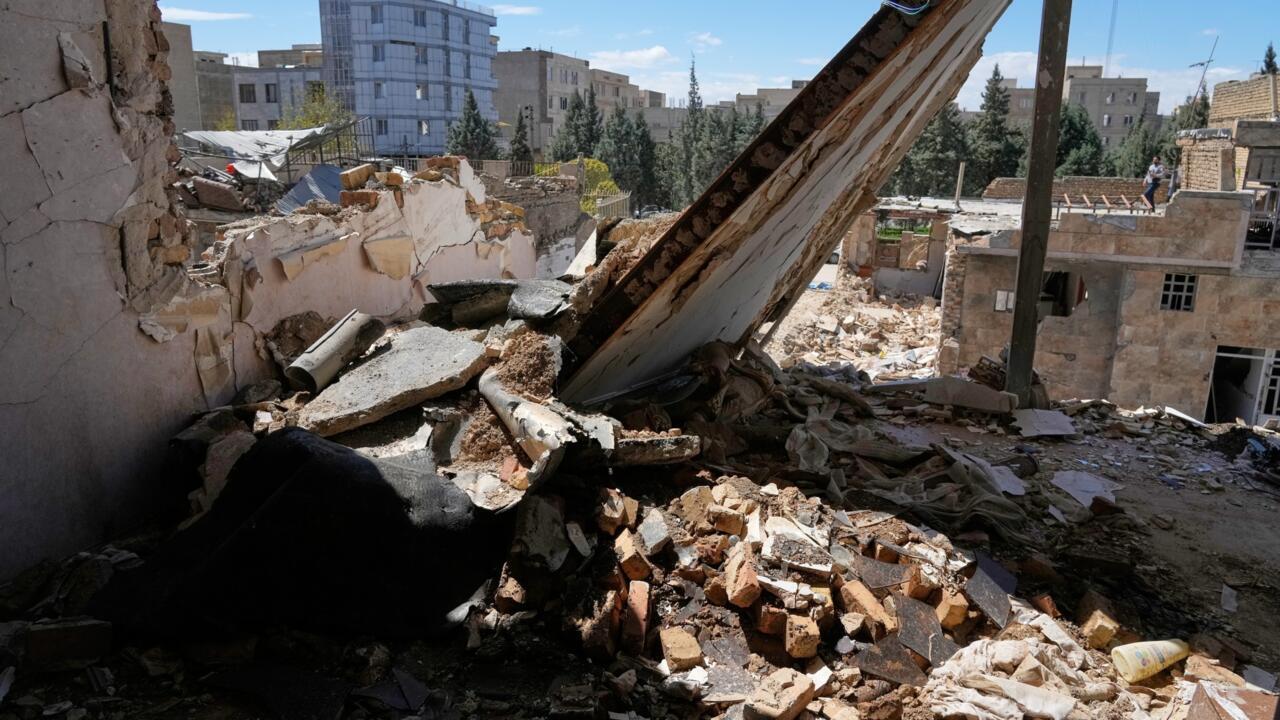
Iran’s foreign ministry spokesperson told Axios that talks were continuing "based on Iran's 14-point proposal," and that Pakistan’s interior minister was in Tehran for his second visit in less than a week.
Kurdistan24 said the proposed framework sought to formally halt the war and launch a 30-day negotiation period focused on Iran’s nuclear program and the reopening of the Strait of Hormuz.
WION also quoted a Qatari diplomat saying, "As said previously, Qatar has been and continues to support the Pakistan-led mediation efforts; we have been consistently advocating for de-escalation for the sake of the region and its people," as sources cautioned it remained uncertain whether Iran would soften its position.
Stakes: nuclear, funds, Hormuz
The stakes described across the reporting were tied to nuclear commitments, frozen Iranian funds, and the Strait of Hormuz, with Axios saying the goal was to get more tangible commitments from the Iranians over steps regarding their nuclear program and more specifics from the U.S. on how frozen Iranian funds would be gradually released.
“Rescue of one of the pilots of an American fighter jet that crashed in Iran, and the search for the other is underway”
WION said Iran’s foreign ministry spokesperson insisted talks would require the United States to end what Tehran described as "piracy" against Iranian vessels and release frozen Iranian assets, while also requiring Israel to end its military operations in Lebanon.
Kurdistan24 added that Netanyahu wanted military operations against Iran to resume to further weaken Tehran’s military capabilities and destroy key infrastructure, even as Trump continued publicly expressing optimism about a deal.
In parallel, Iran’s approach to the Strait of Hormuz was described by الپادر السياسي, which said Iran’s top security agency announced the creation of a new agency to manage the Strait of Hormuz and that Tehran had effectively closed it and plans to levy fees on ships passing through.
The same report said Iran halted navigation through the vital straits since the war began on February 28 and that the fragile ceasefire had been in effect since April 8, while it quoted Foreign Ministry spokesperson Ismail Bakay saying, "We announced yesterday that our concerns have been conveyed to the American side" as exchanges continued through Pakistani mediation.
More on Iran
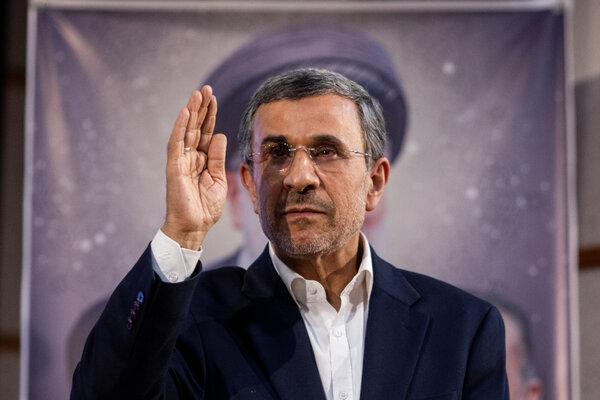
US and Israel Planned to Install Mahmoud Ahmadinejad as Iran’s Leader After Ali Khamenei’s Killing
12 sources compared
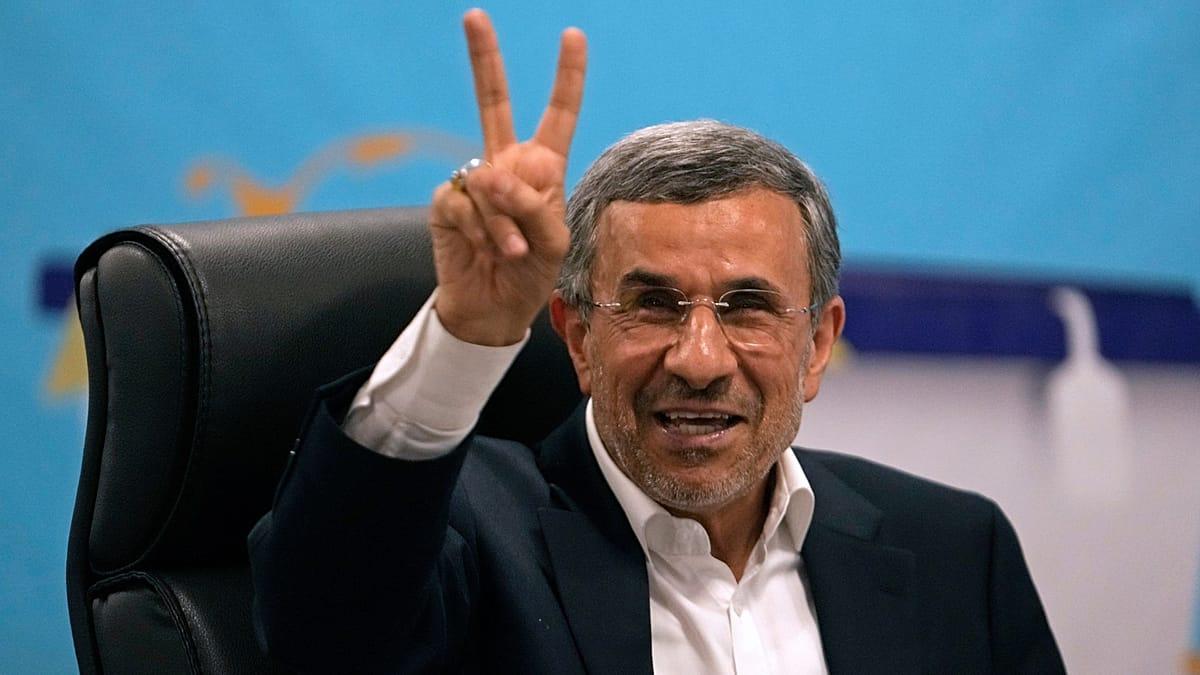
U.S. and Israel Planned to Install Mahmoud Ahmadinejad as Iran Leader After War
13 sources compared
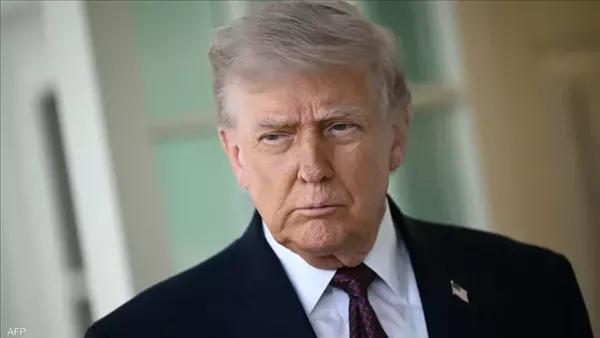
Trump Says Iran Talks Are in Final Stages, Warns of Further Attacks
13 sources compared

U.S. Senate Advances Tim Kaine War Powers Resolution To End War With Iran
20 sources compared