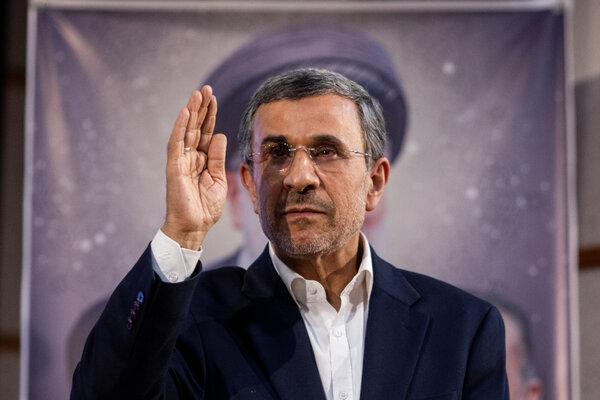
US and Israel Planned to Install Mahmoud Ahmadinejad After Ayatollah Ali Khamenei Killing
Key Takeaways
- The NYT reports US-Israel planned to install Ahmadinejad as Iran's leader.
- Israeli-driven, US-approved plan aimed to replace Iran's leadership following strikes that killed Khamenei.
- The plan reportedly unraveled as the war unfolded and Ahmadinejad's whereabouts remain unknown.
Regime-change plan unraveled
The New York Times reported that the United States and Israel went into the war on Iran intending to replace Tehran’s leadership with hardline former President Mahmoud Ahmadinejad after the killing of Supreme Leader Ayatollah Ali Khamenei in initial airstrikes on Feb. 28.
“The United States and Israel went into war on Iran intending to replace the regime’s leadership with hardline former President Mahmoud Ahmadinejad, The New York Times reported”
US officials briefed on the discussions told the Times that the “audacious plan” was developed by the Israelis with the approval of the United States government, and that it was tied to President Donald Trump’s early suggestion that it would be best if “someone from within” Iran took over the country.

The plan “quickly went awry” after Ahmadinejad was injured on the war’s first day by an Israeli strike on his home in Tehran designed to free him from house arrest, and the Times said his “current whereabouts and condition are unknown.”
Multiple outlets described the same turning point: an Israeli strike on Ahmadinejad’s Tehran home was intended to eliminate Revolutionary Guard members holding him under house arrest, but he survived and then became disillusioned with the regime change plan.
The Guardian added that the episode raised fresh questions about the US and Israeli effort to depose the Iranian regime after it was claimed Israel wanted to put Ahmadinejad in power, while also noting that Iranian media treated the Times report with scepticism.
Quotes, denials, and skepticism
In the reporting, White House spokesperson Anna Kelly defended the administration’s war aims while not addressing the regime-change plan directly, saying, “From the outset, President Trump was clear about his goals for Operation Epic Fury: destroy Iran’s ballistic missiles.”
The New York Times also quoted an associate of Ahmadinejad describing Washington’s view of him as someone who could manage “Iran’s political, social and military situation,” and i24NEWS and The Times of Israel repeated that characterization while saying Ahmadinejad was injured but survived the strike.

The Guardian framed the broader context by saying Trump held a lengthy phone call with Israel’s prime minister, Benjamin Netanyahu, covering the potential resumption of hostilities, and it quoted Trump telling reporters, “Netanyahu will do whatever I want him to do.”
At the same time, the Guardian reported that Iranian media said Ahmadinejad had not been under house arrest, and it described earlier Iranian media reports that he had been killed before later accounts shifted to a security outpost being hit.
The Independent likewise said the strike left three Islamic Revolutionary Guard Corps bodyguards killed and that Ahmadinejad has not been seen publicly since the injury, with his location and condition remaining unknown.
What comes next for Iran
The Guardian said Trump was considering more airstrikes to force Tehran to meet his terms, after he told reporters he had delayed a fresh attack after an intervention by Gulf leaders.
“An investigative piece by The New York Times revealed that the United States and Israel laid out a joint plan to install former Iranian president Mahmoud Ahmadinejad as Iran's leader, in the wake of military strikes against Tehran in late February”
It also reported that Tehran refuses to agree to Washington’s demands on domestic uranium enrichment, and that it wants to delay negotiations on the future of its nuclear programme while focusing on lifting sanctions in return for the end of its blockade of the strait of Hormuz.
The Guardian further stated that the Islamic Revolutionary Guard Corps warn they will widen the war beyond the region if Trump resumes his assaults, while it described the US mounting a counter-blockade of Iran’s ports in an attempt to stop its oil shipments.
In parallel, The New York Times reporting summarized by multiple outlets said the multistage strategy included an aerial campaign to eliminate supreme leadership and a Kurdish mobilization that did not materialize, with Israel later assessing that Iran’s regime would be sufficiently destabilized to collapse under political pressure and infrastructure damage.
Across the coverage, the central unresolved consequence remained Ahmadinejad’s fate: outlets said he has not been seen publicly since the strike and that his whereabouts and condition are unknown, even as the plan to install him as leader “quickly went awry.”
More on Iran
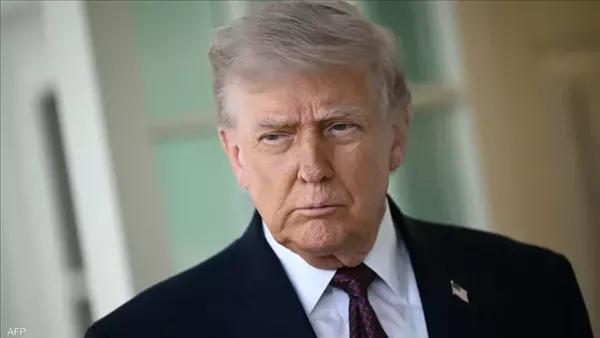
Trump Says Iran Talks Are in Final Stages, Warns of Further Attacks
13 sources compared

Trump and Netanyahu Hold Tense Call Over New Iran Deal Proposal, Axios Says
10 sources compared

U.S. Senate Advances Tim Kaine War Powers Resolution To End War With Iran
20 sources compared
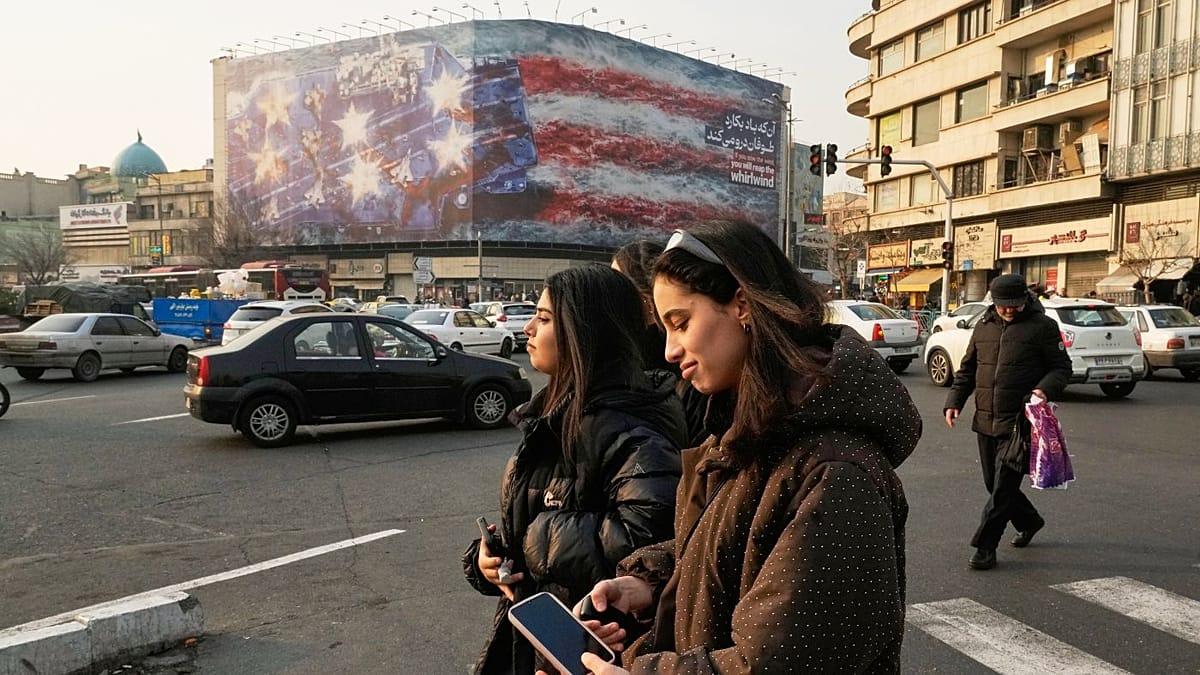
JD Vance Says U.S. Made A Lot Of Progress In Iran Talks After Trump Postponed Attack
21 sources compared