
Trump Announces 10-Day Israel-Lebanon Ceasefire, Urges Hezbollah To Abide
Key Takeaways
- Trump announced a 10-day ceasefire between Israel and Lebanon.
- Ceasefire took effect on 16 April; displaced residents began returning home.
- Violations and warnings threaten to undermine the ceasefire.
Ceasefire takes effect
Israel and Lebanon entered a 10-day ceasefire after US President Donald Trump announced that the leaders of Israel and Lebanon had agreed to a truce that took effect from 17:00 EST (21:00 GMT; midnight local time) on 16 April.
Trump urged Hezbollah, the Iran-backed militant group in Lebanon that has been exchanging fire with Israel for the past six weeks, to abide by the ceasefire, saying he hoped it "acts nicely and well during this important period of time."

The terms of the deal specify that the ceasefire will last for 10 days, with the possibility of it being "extended by mutual agreement" if negotiations show signs of progress.
The US State Department details said Israel retains its "right to take all necessary measures in self-defence, at any time, against planned, imminent, or ongoing attacks" while Lebanon must take "meaningful steps" to prevent Hezbollah and all other "rogue non-state armed groups" from carrying out attacks against Israeli targets.
The statement added that the truce was a "gesture of goodwill" by Israel intended to enable "good-faith negotiations towards a permanent security and peace agreement" between the two parties.
Both Israeli Prime Minister Benjamin Netanyahu and Lebanese President Joseph Aoun welcomed the truce, with Netanyahu calling it an "opportunity to make a historic peace agreement" and Aoun saying, "We all stand before a new phase: the transition from working towards a ceasefire to working towards permanent agreements that preserve the rights of our people, the unity of our land, and the sovereignty of our nation."
Hezbollah signalled a willingness to participate but said it must include "a comprehensive halt to attacks" across Lebanon and "no freedom of movement for Israeli forces."
Negotiation terms and leverage
The ceasefire agreement was framed as a bridge to negotiations, with the State Department saying Israel and Lebanon would engage in "good-faith direct negotiations, facilitated by the United States" aimed at achieving "a comprehensive agreement that ensures lasting security, stability, and peace between the two countries."
NBC News reported that the State Department said the initial 10-day period "may be extended by mutual agreement between Lebanon and Israel if progress is demonstrated in the negotiations and as Lebanon effectively demonstrates its ability to assert its sovereignty."

The same State Department statement required Lebanon to take "meaningful steps" to prevent Hezbollah from carrying out any attacks on Israel, while Israel would "preserve its right to take all necessary measures in self-defense, at any time, against planned, imminent, or ongoing attacks."
The Times of Israel published the full text, stating that following productive direct talks on April 14 between the governments of the Republic of Lebanon and the State of Israel, brokered by the United States of America, both nations would work to create conditions conducive to lasting peace while preserving Israel’s inherent right to self-defense.
The ceasefire text also specified that the only forces authorized to bear arms in Lebanon will be the Lebanese Armed Forces (LAF), Internal Security Forces, Directorate of General Security, General Directorate of State Security, Lebanese Customs and Municipal Police, and it described those commitments as designed to create conditions necessary for "good-faith negotiations towards enduring peace and security."
Trump said on Truth Social that Lebanese President Joseph Aoun and Israeli Prime Minister Benjamin Netanyahu "have agreed that in order to achieve PEACE between their Countries, they will formally begin a 10 Day CEASEFIRE at 5 P.M. EST."
He also directed Vice President JD Vance and Secretary of State Marco Rubio to work with the countries toward achieving "a Lasting PEACE," and he invited Aoun and Netanyahu to take part in peace talks at the White House.
Hezbollah’s conditions and Israel’s stance
While the ceasefire was announced between Israel and Lebanon, Hezbollah’s position remained central to how the truce would be interpreted and enforced.
BBC reported that when asked about disarmament, senior Hezbollah leader Wafiq Safa told the BBC: "Not until a proper ceasefire, a real one. Not until Israeli withdrawal."
NBC News said Hezbollah has not been part of the talks, and it quoted a senior Hezbollah official telling NBC News on Wednesday that “if Israel is fully committed to a complete cessation of hostilities ... then this matter would be subject to consideration by Hezbollah.”
The New York Times reported that Hezbollah politicians affirmed a “cautious commitment” to the 10-day cease-fire, while criticizing the Lebanese government, and it said a bloc of Hezbollah lawmakers accused Lebanon’s leadership of pushing the country “into a new and extremely dangerous phase” by submitting to what it called U.S. and Israeli “dictates.”
Hezbollah also warned that any ceasefire must apply across Lebanese territory and that continued Israeli presence would leave Lebanon with the right to resist depending on how events unfold, according to New Hampshire Public Radio.
On the Israeli side, Netanyahu said Israel would not withdraw from southern Lebanon, describing the demand as a key demand of Hezbollah, and he said, "We are remaining in Lebanon in an expanded security zone," adding that it was necessary because of the "danger of an invasion" and to prevent fire into Israel.
BBC reported that despite the agreement, Netanyahu said Israeli troops would remain stationed 10km-deep (6.2 miles) into southern Lebanon, and it noted that Israel re-entered southern Lebanon after strikes by Hezbollah in early March, describing the area it is occupying as a "security zone."
Displaced families test the calm
As the ceasefire took hold, multiple outlets described displaced Lebanese beginning to move back toward southern areas while officials urged caution.
PBS reported that a fragile calm settled over parts of Lebanon on Friday as a 10-day ceasefire brokered by the United States took hold between Israel and Hezbollah, prompting thousands of displaced families to begin the journey home, even as uncertainty, destruction and Israeli warnings against going back to parts of southern Lebanon clouded their return.
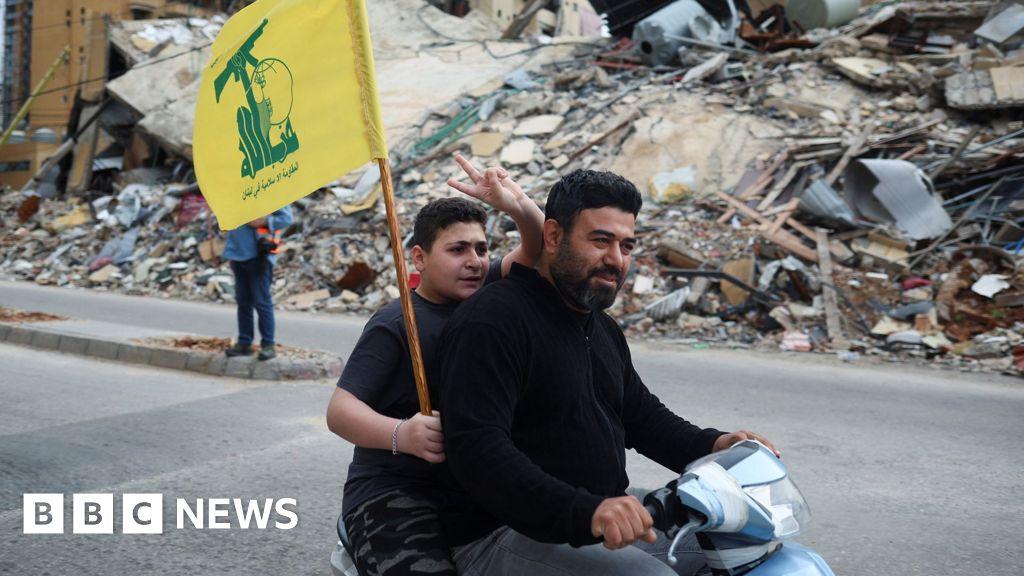
It said by early morning, cars were backed up for kilometers on the route leading south to the damaged Qasmiyeh bridge over the Litani River, a key crossing linking the southern coastal city of Tyre to the north.
PBS quoted Zainab Fahas, 23, saying, "I feel free being back," while also adding, "But look they destroyed everything — the square, the houses, the shops, everything."
It also quoted Ali Wahdan, 27, saying, "Israel doesn't want peace," and he added, "I wish it were different," before warning, "But this war will continue."
In Nabatiyeh, PBS reported that Hospital Director Mona Abou Zeid said Thursday was one of the heaviest days of Israeli strikes since the latest Israel-Hezbollah war began, and it quoted 33-year-old Mahmoud Sahmarani saying, "Israel should have withdrawn from Lebanon," from his hospital bed.
Reuters, via WKZO, said people uprooted by the war began returning to devastated towns and neighbourhoods on Friday, with many finding their homes destroyed or uninhabitable and hesitant to stay for fear a ceasefire between Hezbollah and Israel could unravel.
What comes next and what’s at risk
The ceasefire’s short timeline and unresolved disputes over security and Hezbollah’s role shaped what comes next, with multiple outlets describing both diplomatic follow-through and continuing risk on the ground.
“What we know about the Israel-Lebanon ceasefire US President Donald Trump announced on Thursday that the leaders of Israel and Lebanon have agreed to a 10-day ceasefire, which took effect from 17:00 EST (21:00 GMT; midnight local time) on 16 April”
BBC said the truce was intended to enable "good-faith negotiations towards a permanent security and peace agreement" and that Israel and Lebanon requested that the US continues to facilitate further direct talks with the objective of "resolving all remaining issues."
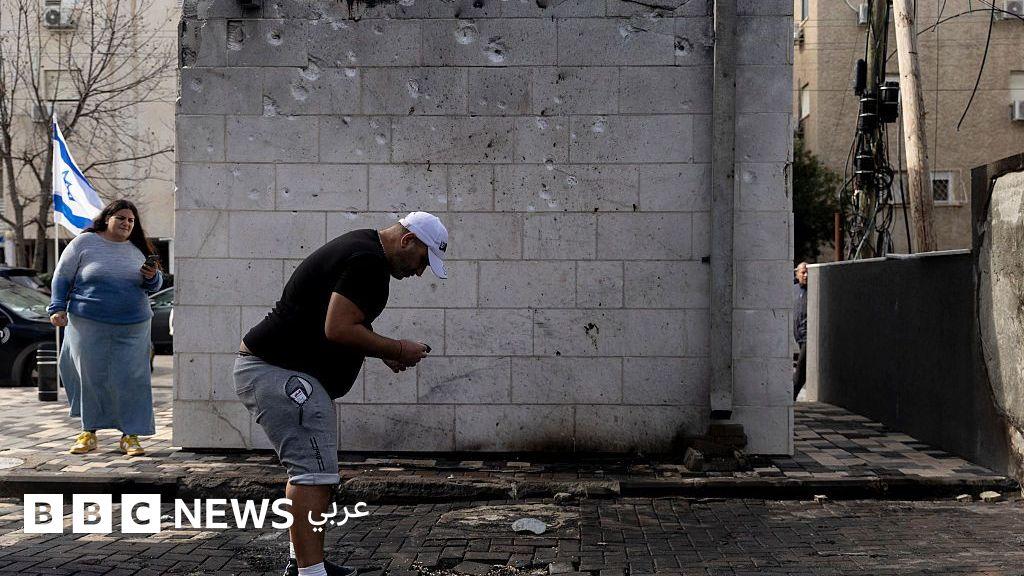
NBC News reported that the State Department said Lebanon must take "meaningful steps" to prevent Hezbollah from carrying out attacks, while Israel would preserve its right to take necessary measures in self-defense, and it said it was unclear whether displaced people would be allowed to return.
The New York Times reported that a truce could remove an obstacle in U.S.-Iran peace talks, and it said the fighting between Israeli forces and Hezbollah has threatened to undermine a separate cease-fire between Iran and the United States.
CNN described the ceasefire as aimed at halting the Israel-Hezbollah conflict, while also noting that the conflict with Hezbollah has been a key sticking point in negotiations on the US-Iran war, and it said US officials said troops in the Middle East are “rearming” and stand ready to resume combat if Iran negotiations fail.
On the Iran-linked shipping front, BBC reported that Iran’s foreign minister said on Friday that "in line with the ceasefire in Lebanon" the Strait of Hormuz had been "declared completely open," while New Hampshire Public Radio and Spectrum News described conflicting messages about the US naval blockade continuing.
With the ceasefire approaching its 24-hour mark, The New York Times said UNIFIL reported that Israeli airstrikes had stopped in the south and that no projectiles had been fired into Israel from Lebanese territory, but it also said peacekeepers continued to observe airspace violations and reports of mortar and artillery shelling in some areas.
More on Lebanon

Nabih Berri Rejects Direct Negotiations With Israel, Calls Civil Peace a Red Line
13 sources compared
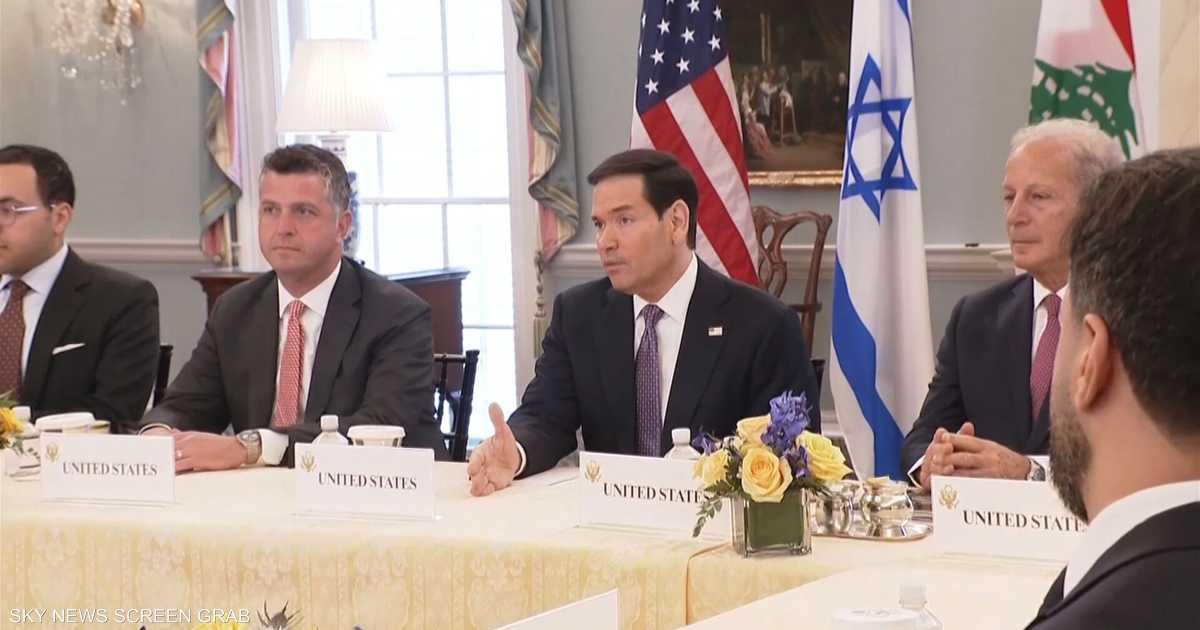
Israel-Lebanon 10-Day Ceasefire Takes Effect as Hezbollah Fighting Pauses
19 sources compared

Trump Announces 10-Day Israel-Lebanon Ceasefire Starting Thursday at 5 P.M. ET
30 sources compared
Hezbollah Rockets And Drones Strike Metula, Nahariya, Haifa Naval Base, And Ma'alot Tarshiha
10 sources compared