
Trump Ends Situation Room Meeting On Possible U.S.-Iran 60-Day Ceasefire And Nuclear Talks
Key Takeaways
- Trump concluded a White House Situation Room briefing on extending the Iran ceasefire.
- U.S. and Iran reportedly reached a tentative framework to extend the ceasefire and start talks.
- Iran denies finalising any 60-day deal, saying reports are inaccurate.
Ceasefire deal in limbo
U.S. President Donald Trump concluded a White House Situation Room meeting on a possible agreement with Iran aimed at extending a cease-fire and advancing negotiations over Tehran’s nuclear program, after a meeting that a White House official confirmed ended on May 29 without saying whether Trump approved the proposed framework.
The tentative agreement described in the reporting would extend the current cease-fire by 60 days while negotiations continue on Iran’s nuclear activities, and Trump said on Truth Social that Iran must permanently forgo nuclear weapons, reopen the Strait of Hormuz without tolls, clear naval mines, and cooperate with the United States and the International Atomic Energy Agency (IAEA) in eliminating highly enriched uranium stockpiles.

In a separate account of the same negotiations, Vice President JD Vance told reporters, "It's hard to say exactly when or if the president's going to sign," as U.S. and Iranian negotiators reached a tentative agreement to extend the ceasefire by 60 days and start a new round of talks on Iran's nuclear program.
The BBC reported that the emerging memorandum of understanding would reportedly extend the ceasefire for 60 days and launch talks on the future of Iran's nuclear programme, while Iran’s semi-official Tasnim news agency said it had not been finalised or confirmed.
The BBC also reported that Vance said negotiators were "going back and forth on a couple of language points," including the "question of enrichment," leaving the deal short of final approval.
Tehran disputes, Israel watches
Iran and Iranian-aligned media disputed key parts of Trump’s account, with Iran’s semi-official Fars news agency calling his comments a "mixture of truth and falsehood" and an "attempt to portray a fabricated victory."
A senior Iranian source told Reuters that a political understanding over the war had been reached but had not yet been finalized, while Fars said the Strait of Hormuz would reopen only after the U.S. lifted its blockade on Iranian ships and under arrangements set by Tehran.

Reuters also reported that Israel was cautiously watching the trajectory of the understandings, with concerns inside the Israeli government that any potential agreement could halt escalation and weaken pressure on Tehran.
In that Reuters account, Christine Rinawi said that the approaching U.S.-Iranian agreement is not a positive development for Israel and quoted Israeli Prime Minister Benjamin Netanyahu telling Trump that 'the mission is not yet complete,' in reference to Israel's desire to resume the US-Israel war on Iran.
The Reuters report further said four informed sources told Reuters that the United States and Iran had reached an agreement on a memorandum of understanding to extend the ceasefire for 60 days, but President Donald Trump has not yet signed it.
Sanctions, oil, and next steps
Even as the ceasefire framework was being discussed, the Trump administration imposed fresh sanctions on May 29 on an Iranian procurement network accused of defrauding U.S. companies to obtain restricted technology for Tehran’s military, with the Treasury Department saying the network used fake identities and front companies in the United Arab Emirates and Europe.
“Toggle Play Iran denies ceasefire deal with US is “finalised” Iranian Foreign Ministry Spokesman Esmail Baghaei told state media that a proposed agreement with the US “has not been finalised,” pushing back on US President Donald Trump’s claim that his administration was making a “final determination” on a potential deal with Iran”
Treasury Secretary Scott Bessent accused Iran of using “brazen efforts” to deceive American firms and said the administration would continue using “all available authorities” to isolate the Iranian government financially, while Brett Erickson of Obsidian Risk Advisors told RFE/RL, “These sanctions feel less like economic warfare and more like reputation management.”
The same reporting linked the sanctions timing to the White House Situation Room meeting, noting the measures were announced shortly after the meeting where Trump and senior aides reportedly discussed whether to approve an interim arrangement with Iran that could extend a cease-fire and reopen the Strait of Hormuz.
Separately, global economic organizations warned that oil reserves are being depleted "at a record pace" amid ongoing supply disruptions due to the near-total closure of the Strait of Hormuz, as the heads of the International Energy Agency, International Monetary Fund, World Bank Group, and World Trade Organization issued a joint statement on May 29.
In the BBC’s account of the negotiations, the U.S. would also lift its blockade and issue sanction waivers to allow Iran to resume selling oil, while the memorandum reportedly required Iran to remove mines from the narrow shipping passageway within 30 days.
More on Iran

JD Vance Says US-Iran Not Yet Final On 60-Day Ceasefire, Iran Denies MoU Reports
14 sources compared
Trump Holds Situation Room Meeting on Iran Deal to Reopen Strait of Hormuz, Destroy Uranium
11 sources compared
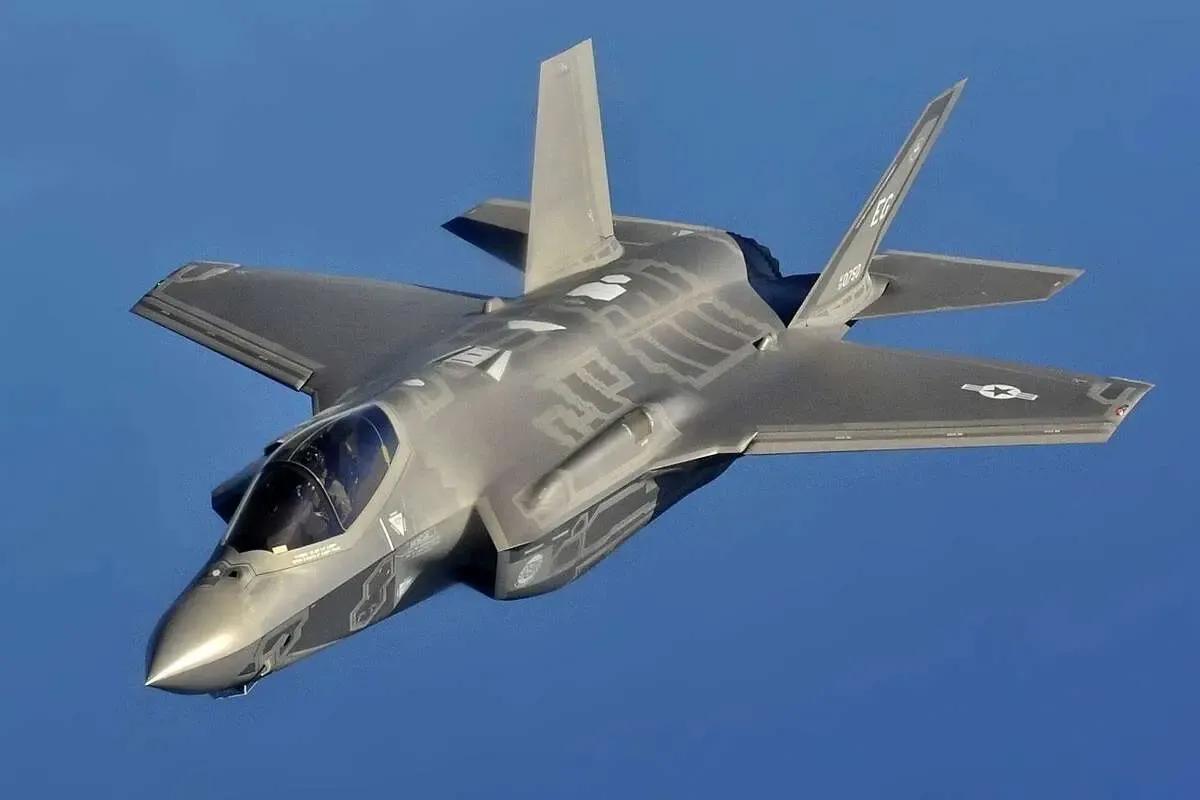
CENTCOM Denies US Aircraft Shot Down Near Iran’s Bushehr, Citing All Assets Accounted
13 sources compared
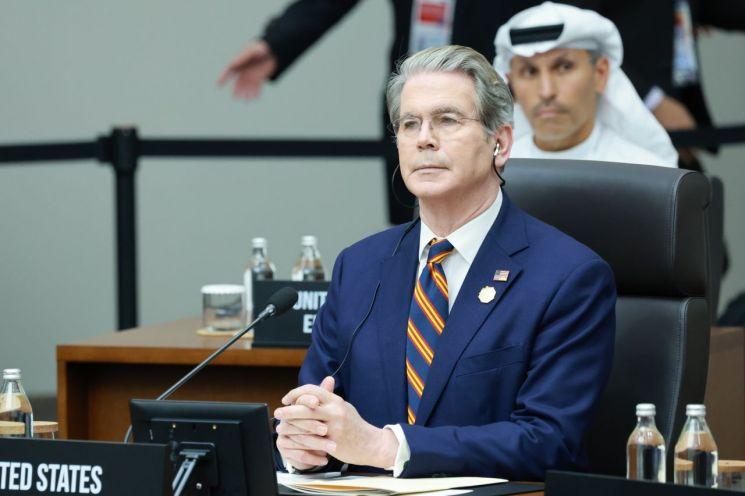
Scott Bessent Shuts Down Iranian Airlines, Sanctions Persian Gulf Strait Authority
10 sources compared