
Trump Calls Himself The Peace President, Warns US Could Escalate If Iran Deal Fails
Key Takeaways
- Trump claims the Iran war will end soon and negotiations are moving forward.
- Trump vows the blockade will stay in full force until a peace deal is reached.
- Iran claims Hormuz open; U.S. sanctions and blockade persist.
Trump, Iran, and the Strait
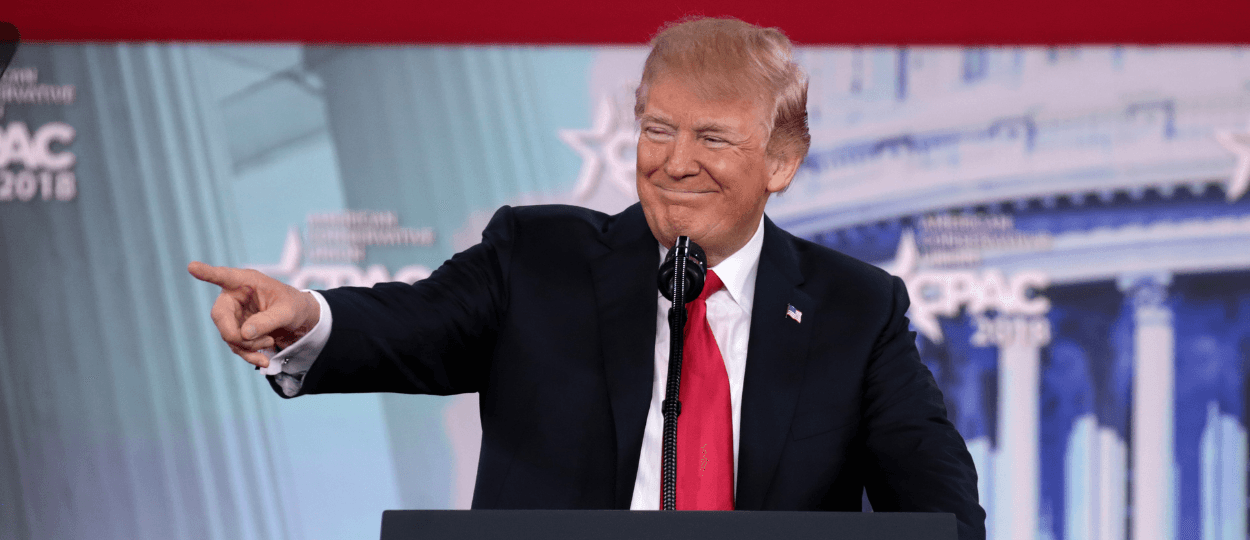
U.S. President Donald Trump framed his Iran diplomacy as both a peace effort and a pressure campaign, calling himself “The Peace President” while warning that Washington could escalate militarily if negotiations fail.
Speaking at a Turning Point USA event in Phoenix, Arizona, Trump said he had “settled eight wars,” and suggested the number could rise to 10 with developments involving Iran and Lebanon.
In the same remarks, he warned that if “we don't do a deal, we will get it in a different form — in a much more unfriendly form,” and he said the US naval blockade on Iran would remain in place.
Trump also said negotiations with Tehran would continue over the weekend and reiterated that preventing Iran from acquiring nuclear weapons remained the top US priority.
The Times of India reported that Trump pointed to developments in West Asia, including a reported ceasefire between Israel and Lebanon and claims around the reopening of the Strait of Hormuz, as signs of progress.
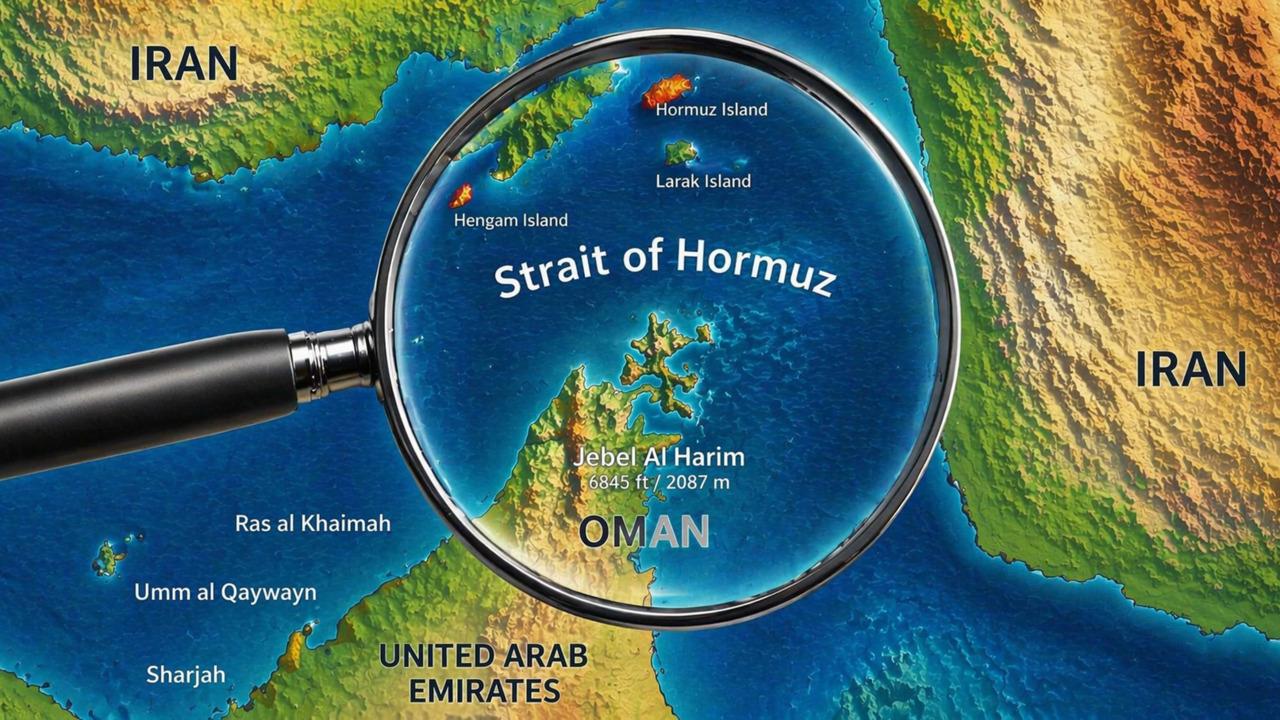
Iran pushed back on those claims through Mohammad Bagher Ghalibaf, who said passage through the Strait of Hormuz would remain tightly controlled by Tehran and subject to its authorisation, adding that decisions on the waterway would be determined “on the ground, not on social media.”
The Times of India further said a fresh round of US-Iran talks is expected in Islamabad on Monday, with delegations likely to arrive a day earlier, according to reports.
Deal claims and disputed terms
While Trump projected momentum, multiple outlets described competing claims about what an agreement would actually require, and what Iran had accepted.
The Washington Post reported that President Donald Trump declared Friday that Iran has agreed to virtually all of his demands to end its nuclear program forever and said that talks to finalize the deal, “probably” held this weekend, “should go very quickly.”

The same article said Tehran put limits on the Strait of Hormuz’s opening, as the United States issued a new sanctions exemption on the sale of Russian oil.
Radio Free Europe/Radio Liberty described Trump’s messaging as insisting there were no “significant differences” between Washington and Tehran, with Trump telling reporters in Phoenix, Arizona on April 17, “I don't think there's too many significant differences,” and “If there are, I'm going to straighten it out.”
RFE/RL also reported that Iranian parliament speaker Mohammad Baqer Qalibaf accused Trump of writing “lies” on April 18, and Qalibaf wrote that “The President of the United States made seven claims in one hour, all seven of which were false.”
In the same RFE/RL account, Qalibaf said the strait would be closed again if the US blockade of its ports was not lifted, and he framed the dispute in terms of whether the blockade would end.
RFE/RL added that the US blockade targets vessels “entering or departing Iranian ports and coastal areas,” and it said a group of vessels were moving through the Strait of Hormuz on April 18 according to Marine Traffic data.
The Los Angeles Times described Trump’s public messaging as claiming the strait was “fully open,” while Iranian officials and state media said conditions remained on passage, including “the imposition of tolls” and coordination with the Islamic Revolutionary Guard Corps.
Mediation, timelines, and the uranium dispute
The sources also laid out a timeline of mediation and negotiations, while spotlighting the dispute over uranium enrichment and what Trump said about enriched material.
Radio Free Europe/Radio Liberty reported that the key Pakistani mediator, army chief Field Marshal Asim Munir, concluded three days of talks in Tehran on April 18, and it said CNN, citing Iranian sources, reported that delegations would arrive in Islamabad over the weekend and that official talks would resume on April 20.
RFE/RL also said the White House did not comment on that report, and it described earlier talks in Islamabad on April 11-12 when US Vice President JD Vance led a delegation in talks with top Iranian officials, which broke off without agreement with both sides blaming the other.
In Phoenix, Trump told reporters on April 17 that talks would continue over the weekend and said, “We'll see how it all turns out, but it should be good, some very good discussions,” while also saying “That includes Lebanon, too.”
RFE/RL tied the negotiations to the Strait of Hormuz ceasefire window, noting that Iranian Foreign Minister Abbas Araqchi said Tehran had opened the strait to commercial shipping traffic for the remainder of the 10-day cease-fire between Israel and Lebanon, and it said Qalibaf later said Iran would close the strait again if the US blockade of its ports was not lifted.
The same RFE/RL report described Trump repeating on April 17 his suggestion that Tehran has agreed to give up its stocks of enriched uranium, and it said Tehran denied it had agreed to give up its supply, stating, “Iran's enriched uranium is not going to be transferred anywhere.”
RFE/RL also quoted Iranian Foreign Ministry spokesman Esmail Baqaei saying, “Transfer of Iran's enriched uranium to the US has never been raised in negotiations,” and it said Reuters cited Trump as referring to “nuclear dust” and said it would be retrieved “very soon.”
Later in Phoenix, Trump described how he would retrieve “nuclear dust,” saying, “Somebody said, how are we going to get the nuclear dust? We're going to get it by going in with Iran, with lots of excavators,” and he added, “But we're going to go in together with Iran. We're going to get it. We're going to take it back home to the USA very soon.”
European energy and US pressure
Beyond the immediate negotiation theater, the sources described how the Strait of Hormuz dispute was affecting energy flows and how US pressure remained central to the bargaining.
The Arabic-language outlet اليـوم السابع reported that global newspapers covered Trump’s disclosure of outlines for a possible deal with Iran and said American headlines included “Free oil and a free Strait of Hormuz as Trump outlines a potential deal with Iran.”

It also said the energy crisis hitting Europe included jet fuel supplies estimated to last only six weeks due to the closure of the Strait of Hormuz, and it described the US naval blockade as entering its fourth day.
The same outlet said Iran had closed the strait since February 28 and was seeking to impose fees on passing ships even after the dispute ends.
It further reported that Britain and France were challenging Trump at an international summit to open the Strait of Hormuz, with the Paris meeting fitting into efforts to mitigate effects of a conflict they did not start or join.
Elaph, writing from London, said Trump responded to Iran’s decision to open the Strait of Hormuz by stating that the U.S. sanctions on Iran would remain in full force until a peace agreement is reached, and it quoted Trump’s Truth Social message that sanctions on Iranian ships and ports would remain in full force until negotiations are completed “100%.”
Elaph also said negotiations between Iran and the United States collapsed last weekend in Islamabad and that the two countries are expected to resume talks before the ceasefire ends on April 22.
In the same Elaph account, a senior Gulf official told Politico that Trump is eager to end the war with Iran, and it quoted the official saying, “I think he will accept more concessions because he strongly desires to end this war.”
European brands, US politics, and next steps
As negotiations and the Strait of Hormuz dispute continued, the sources also described how US political messaging and international scrutiny were shaping the next phase.
The Times of India said Trump publicly claimed credit for resolving multiple international conflicts and used the “Trump War Room” X account and Truth Social to amplify a digital poster branding him as a global peacemaker with the message “Trust Trump. Not Panicans.”

In the same report, Trump said the US naval blockade on Iran would remain in place and that military action could resume if talks collapse, while also saying negotiations with Tehran would continue over the weekend.
The Los Angeles Times described the day as “public messaging from a president eager to end a war,” and it said Trump pressed for a swift end to the conflict while Iranian officials and state media said the strait reopening remained conditional.
It quoted a top aide to Iran’s president dismissing Trump’s statements as “baseless” and warning that “If they renege on their promises,” they “will face dire consequences.”
The Los Angeles Times also reported that Trump was forced to deny an Axios report about offering to release $20 billion in frozen Iranian assets in exchange for Tehran agreeing to hand over its fissile material, and it included Sen. Lindsey Graham’s warning that “No JCPOAs on President Trump’s watch.”
In Phoenix, RFE/RL reported Trump said the blockade would be lifted immediately upon a deal being reached, stating, “When the agreement is signed, the blockade ends,” and it also said the US president rejected the suggestion that major disagreements remain in negotiations.
Looking ahead, the Times of India said a fresh round of US-Iran talks is expected in Islamabad on Monday, and RFE/RL said official talks would resume on April 20, while CNN reported delegations would arrive in Islamabad over the weekend.
More on USA
Barack Obama Meets Mayor Zohran Mamdani at Bronx Childcare Center for Preschool Reading
12 sources compared
Trump Signs Executive Order To Speed FDA Review Of Psychedelic Drugs For Mental Illness
42 sources compared
Trump Says U.S. Naval Blockade of Iranian Ports Stays in Full Force Until Peace Deal
19 sources compared

Trump Seeks 90-Day Pause to Negotiate $10 Billion IRS Tax Leak Lawsuit Settlement
25 sources compared