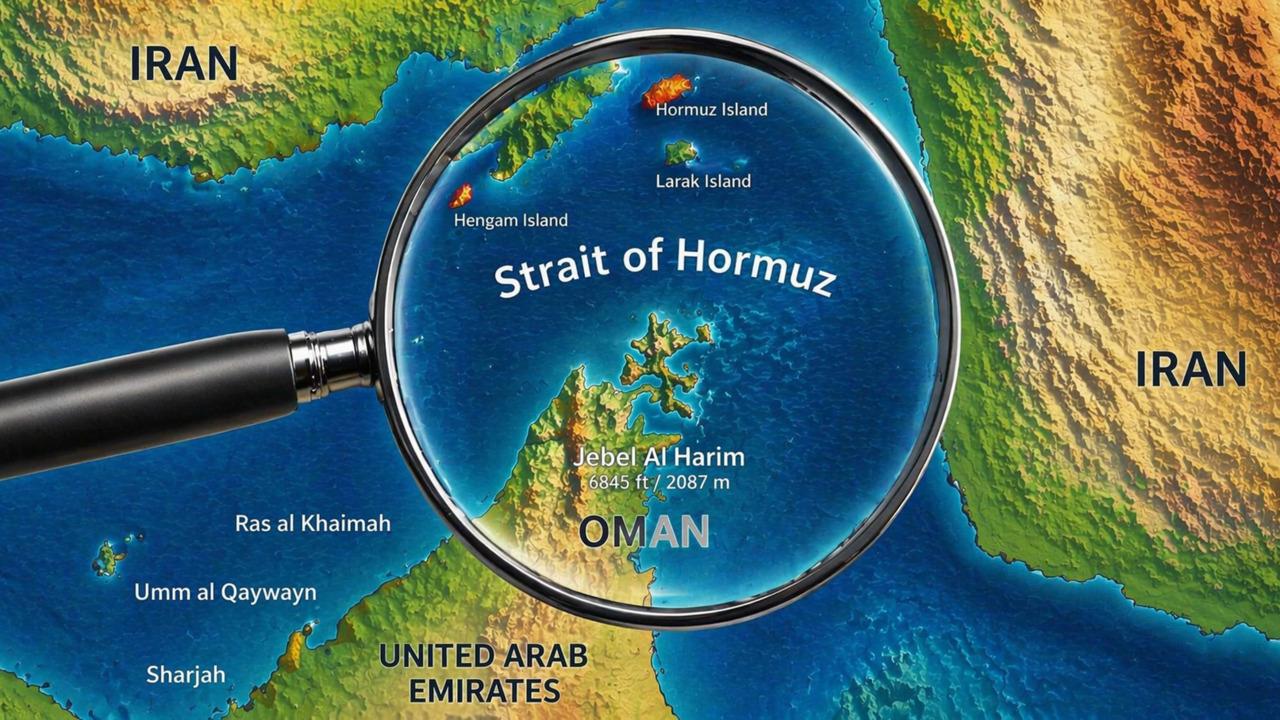
Trump Says U.S. Naval Blockade of Iranian Ports Stays in Full Force Until Peace Deal
Key Takeaways
- U.S. blockade of Iranian ports remains fully in force.
- A new US-Iran talks round is planned in Pakistan.
- Trump claims progress; reports differ on Iran's enriched-uranium concessions.
Hormuz Reopens, Messages Clash
The United States and Iran declared the Strait of Hormuz open on a day when both sides said it had reopened, raising hopes that negotiations could produce a peace deal.
The New York Times described how “President Trump and the Iranian foreign minister announced on Friday that the Strait of Hormuz had reopened,” and said the proclamations “propelled U.S. stock markets to record highs and sent oil prices tumbling more than 10 percent.”

Yet the same report said the picture was “muddied when Mr. Trump said that a U.S. naval blockade of Iranian ports would remain in ‘FULL FORCE’ until there was a peace deal.”
The BBC framed the moment as “a pair of historic breakthroughs” tied to overlapping ceasefires, saying Iran responded to a Lebanon pause by declaring the Strait of Hormuz “completely open.”
CNN reported that only “a handful of ships passed through the key waterway Friday,” despite Iran’s foreign minister saying it was open to commercial vessels.
NBC News added that the U.S. military said its blockade of Iranian ports “has been fully implemented” and that U.S. forces “have completely halted economic trade going into and out of Iran by sea.”
Together, the accounts show a fast-moving diplomatic and military picture in which reopening claims, shipping reality, and blockade policy were being contested in real time.
Talks in Pakistan, Nuclear Claims
As the Strait of Hormuz reopening narrative unfolded, the next phase of U.S.-Iran diplomacy centered on a planned round of talks in Pakistan.
CNN said “US and Iranian delegations are expected to arrive in Pakistan this weekend and hold negotiations Monday, Iranian sources told CNN,” while also noting “The US hasn’t confirmed talks are scheduled.”
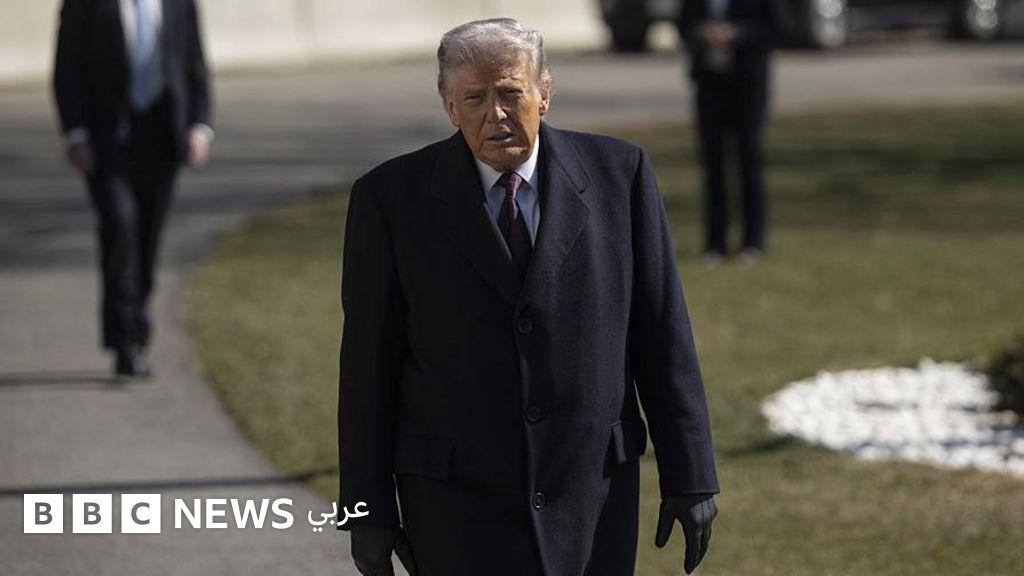
CNN further reported that “Sticking points remain,” citing a senior Iranian official who cast doubt on some of President Donald Trump’s claims about Tehran making concessions.
The New York Times described how Trump and Iranian leaders announced the Strait reopening, but said Trump’s public negotiation posture included statements “as fait accompli even though Iran has not publicly agreed to them.”
It specifically said Trump told Bloomberg News that Iran had agreed “to suspend its nuclear program indefinitely” and that “Tehran would not receive any frozen assets from the United States.”
In contrast, CNN reported that Mohammad Bagher Ghalibaf dismissed Trump’s claims as “false,” saying “He made ‘seven claims in one hour, all seven of which were false.’”
NBC News added that “In-person talks between the U.S. and Iran could resume as early as this week,” citing two people familiar with negotiations, and said Tehran said “messages were still being exchanged via Pakistan.”
Ceasefire Lebanon, Hezbollah’s Position
The U.S.-Iran negotiation atmosphere was also shaped by a separate ceasefire between Israel and Hezbollah in Lebanon, which multiple outlets described as holding while still fragile.
CNN said “Meanwhile, a 10-day truce between Israel and Hezbollah appears to be largely holding,” while Lebanon accused Israel of “several ceasefire violations.”
CBS News reported that the ceasefire “took effect at 5 p.m. Thursday,” and described how an Israeli official said Israel agreed to respond only to “imminent threats from Hezbollah.”
CBS also said the Lebanese army posted on social media that there had been “a number of violations of the agreement, with several Israeli attacks recorded, in addition to intermittent shelling targeting a number of villages.”
The BBC connected the Lebanon pause to Iran’s leverage, writing that Thursday night’s announcement of “a 10-day pause in the fighting between Israel and the Iranian-backed militia Hezbollah” was demanded by Tehran and that Iran responded by declaring the Strait of Hormuz “completely open.”
The BBC also included Hezbollah’s own stated conditions, quoting senior Hezbollah leader Wafiq Safa: “Not until a proper ceasefire, a real one. Not until Israeli withdrawal. Before the return of prisoners, before the return of displaced people and before the reconstruction. Until then, it is not possible to talk about Hezbollah's weapons.”
NBC News said Trump told reporters that “the leaders of Israel and Lebanon will speak today for the first time in 34 years,” while noting neither Israel nor Lebanon had publicly confirmed.
Diverging Frames and Market Shock
Different outlets emphasized different aspects of the same shifting situation—diplomatic optimism versus operational gridlock, and political messaging versus market reaction.
The New York Times described how the Strait reopening announcements “propelled U.S. stock markets to record highs and sent oil prices tumbling more than 10 percent,” while also saying Trump’s blockade stance would remain in “FULL FORCE.”

CNN, by contrast, stressed the gap between statements and reality by reporting that “Only a handful of ships passed through the key waterway Friday,” and it added that the Iranian parliament speaker said the strait will close again if the U.S. doesn’t lift its naval blockade.
CNBC framed the energy picture in terms of tanker traffic and the difficulty of reopening, saying “tanker traffic through the Strait of Hormuz remains very low with no clear pathway to fully reopen the vital sea lane,” and reporting Brent for June delivery at $99.39 per barrel and West Texas Intermediate for May at $94.69 per barrel.
NBC News underscored the military posture, stating the U.S. blockade was “fully implemented” and that Iran threatened to block shipping from the Persian Gulf, the Sea of Oman and the Red Sea if the U.S. continues its blockade.
The BBC’s framing centered on the ceasefire linkage and the negotiation “opportunity” created by overlapping pauses, while also quoting Hezbollah’s conditions and noting that the obstacles to a peace agreement were “enormous.”
Even within the same theme, the outlets diverged on how much progress was visible: Invezz linked the oil drop and Bitcoin jump to “Iran deal optimism,” while CNN and NBC emphasized the blockade and threats that could keep shipping constrained.
What’s at Stake Next
The stakes in the U.S.-Iran track were framed through the interaction of blockade policy, shipping access, and the political consequences of failed or successful talks.
NBC News reported that the U.S. military said its blockade was “fully implemented” and that it had “completely halted economic trade going into and out of Iran by sea,” while also saying it had “turned back 10 ships since the blockade began Monday.”

In response, Iran’s armed forces threatened to block shipping from the Persian Gulf, the Sea of Oman and the Red Sea if the U.S. continues its blockade and “creates insecurity for Iranian commercial ships and oil tankers.”
CNN said the Iranian parliament speaker warned the strait will close again if the U.S. doesn’t lift its naval blockade, and it also reported that Ghalibaf called Trump’s claims “false.”
CNBC tied the risk to the Strait’s operational status, saying tanker traffic remains very low and that the U.S. Navy blockades Iran’s coast while Tehran threatens retaliation against ships in the Persian Gulf.
The BBC described the negotiating agenda as including the “fate of the Strait of Hormuz” and the “issue” of Iran’s nuclear program, and it quoted Lina Khatib saying the obstacles to a peace agreement were “very complicated.”
On the U.S. domestic political front, NBC News reported that “Majority of Senate Democrats vote to block arms sales to Israel in failed resolutions,” with one resolution earning “40 Democrats” and another getting “36 Democratic votes,” and it quoted Bernie Sanders saying “Today, more than 80% of the Democratic caucus stood with the American people and voted to block U.S. military aid to Netanyahu and his horrific, illegal wars.”
More on USA
Barack Obama Meets Mayor Zohran Mamdani at Bronx Childcare Center for Preschool Reading
12 sources compared

Trump Calls Himself The Peace President, Warns US Could Escalate If Iran Deal Fails
23 sources compared

Trump Seeks 90-Day Pause to Negotiate $10 Billion IRS Tax Leak Lawsuit Settlement
25 sources compared

Justice Department Removes Maria Medetis Long From John Brennan Investigation
11 sources compared