
Trump Calls Rising Oil Prices 'a Very Small Price' To Pay For Safety And Peace
Key Takeaways
- President Donald Trump called the oil-price increase 'a very small price to pay' for safety.
- Global oil prices rose amid escalating U.S.-Israel strikes and retaliatory Iranian attacks disrupting Gulf shipping.
- President Donald Trump dismissed concerns, calling people worried about price hikes 'only fools'.
Trump on oil prices
President Trump publicly dismissed concerns about the sharp rise in global oil prices tied to the Israel–U.S. strikes on Iran and Iran’s retaliation, framing the spike as acceptable in service of security.
“President Donald Trump has downplayed the recent sharp increase in oil prices, describing it as a "very small price to pay" for American and global security”
He wrote that higher short-term fuel costs were "a very small price to pay" for safety and peace and added that "ONLY FOOLS WOULD THINK DIFFERENTLY," a stance also noted in coverage of his Truth Social posts.

This downplaying by the president has been reported alongside explanations that the price moves are driven by escalating tensions with Iran.
Oil market price reaction
Markets reacted immediately: benchmark Brent crude briefly touched as high as $119.50 per barrel before moving lower.
U.S. West Texas Intermediate traded near $101, while other reporting put Brent above $100 and around $107 — roughly a 40% rise from pre-strike levels.
Analysts cited by outlets attribute much of the volatility to Iran-related disruptions rather than underlying long-term supply shortages.
Strait of Hormuz disruption
Reporting links the price surge directly to Iran’s military actions and attempts to disrupt shipping through the Strait of Hormuz.
“Gas prices: Trump says 'only fools' should worry about Iran war increases As the U”
Newsweek said analysts pointed to Iran’s attacks, temporary refinery shutdowns and efforts to block transit through the Strait (which handles about 20% of seaborne oil) as key drivers.
USA Today similarly reported that Iran has effectively halted trade through the Strait of Hormuz.
The Hill also listed incidents in or near the Strait and attacks on tankers as major market risk factors.
Administration framing and measures
The administration has sought to frame the spike as transitory and manageable.
USA Today quoted Energy Secretary Chris Wright telling CNN that the price spike would last 'weeks, not months.'
Newsweek noted the administration's claim that the rise can be contained and short-lived.
The Hill outlined policy responses, including naval escorts, sanctions, diplomatic pressure, and releases from strategic reserves, that officials are using to deter disruption.
The Hill also noted that such measures can themselves feed geopolitical tensions.
Gas prices and policy pressure
Observers warn of short-term pain for consumers and political pressure for policy action.
“President Donald Trump has downplayed the recent sharp increase in oil prices, describing it as a "very small price to pay" for American and global security”
Newsweek reported that U.S. pump prices were already moving toward highs not seen during Trump's terms.
USA Today described calls from Senate Minority Leader Chuck Schumer urging the president to release oil from the Strategic Petroleum Reserve to ease prices.
The Hill's summary of short-term impacts noted higher gasoline and diesel prices, greater inflationary pressure and increased market volatility if tensions persist.
More on Iran-Israel

Escalation in Iran Pushes Oil Near $120, Sparks Gas Price Surge in Los Angeles
10 sources compared
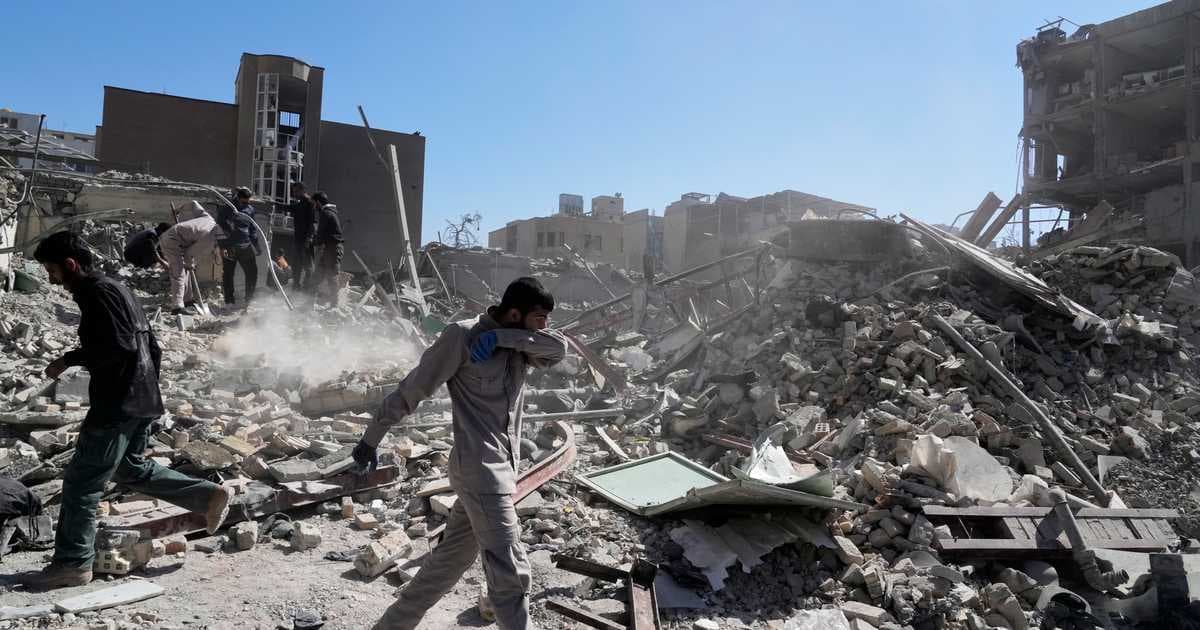
U.S. Intercepts Iran Message Activating Sleeper Cells After U.S.-Israel Strike Kills Khamenei
14 sources compared

Iran Threatens To Confiscate Property Of Iranians Abroad Who Support US And Israel
14 sources compared
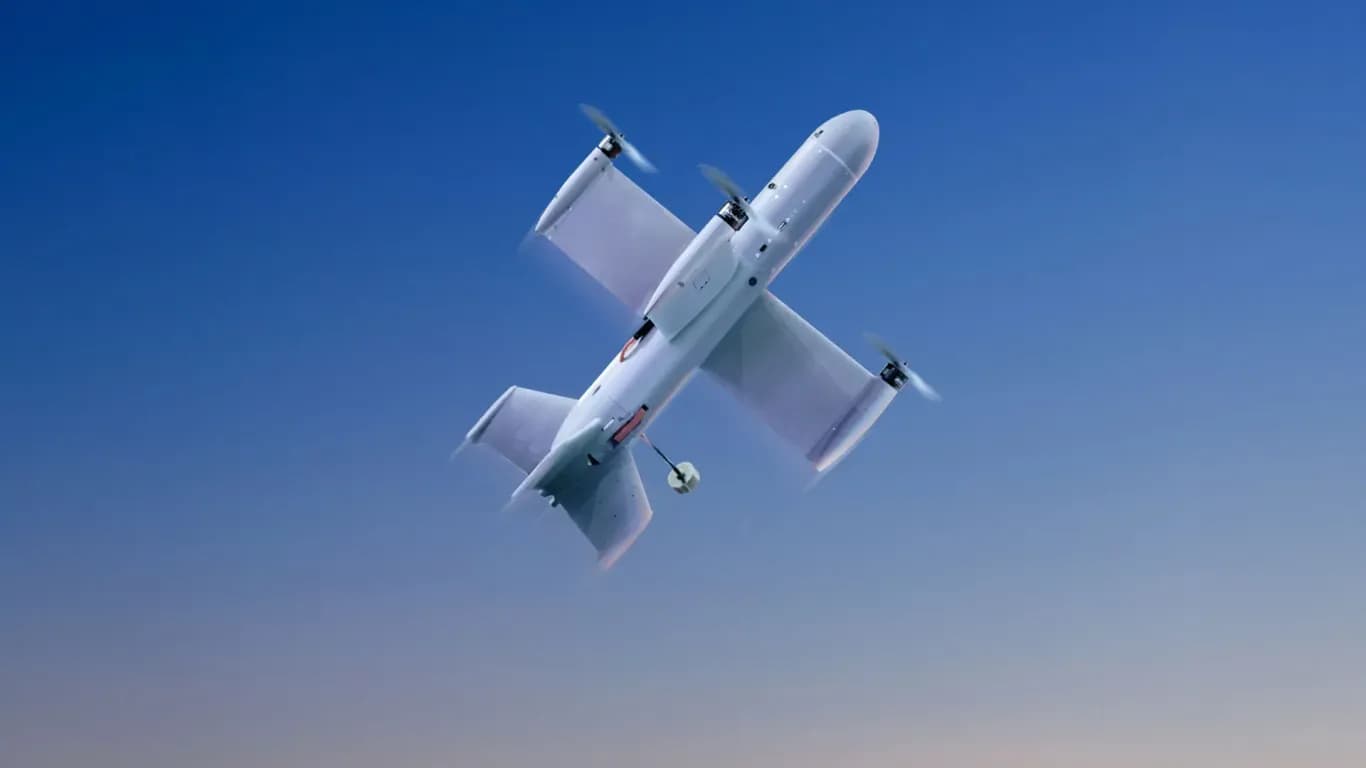
Ukraine Sends Drones, Experts to Shield U.S. Bases in Jordan From Iran
16 sources compared