
Trump Cancels Witkoff and Kushner Trip as Iran and U.S. Enter ‘No War, No Peace’
Key Takeaways
- Trump canceled the planned U.S. delegation's trip to Pakistan for Iran peace talks.
- Iran's foreign minister left Pakistan after talks and headed to Moscow.
- Negotiations stalled, no breakthrough, leaving a no-war no-peace limbo.
No War, No Peace
Iran and the United States have slid into what multiple outlets describe as a tense stalemate of “no war, no peace,” with diplomacy stalled and both sides focused on outlasting the other.
The New York Times frames the moment as “an awkward limbo of neither peace, nor war,” noting that “With plans for U.S.-Iran peace talks derailed, at least for now, Tehran and Washington are sinking into an awkward limbo.”

CNN similarly reports that Iran’s Foreign Minister Abbas Araghchi is pressing on with a regional tour even after President Donald Trump canceled envoys’ plans to visit Pakistan, while Trump said talks will continue by phone after Iran declined to meet directly with American negotiators.
In the BBC’s recap, Araghchi left Pakistan after what he described as “very fruitful” talks, while the White House had said it was sending envoys—Steve Witkoff and Jared Kushner—before Trump announced he canceled their trip.
The Washington Post adds that the scrapped delegation trip raised “risks of severe global economic consequences,” as the war nears the two-month mark.
Across the coverage, the Strait of Hormuz and the question of whether sea lanes can reopen remain central to the diplomatic deadlock, with CNN noting that the war has left shipping “near-standstill” and with NPR describing Tehran’s insistence that Lebanon’s fighting remain paused as a precondition for further talks.
In this environment, the dispute is not only about negotiations but about whether either side will accept the other’s conditions for talks to resume.
Envoys Canceled, Talks Shift
The diplomatic rupture that deepened the “no war, no peace” posture came when President Donald Trump canceled a planned trip by U.S. envoys to Pakistan for Iran peace talks, pushing the process toward phone calls rather than in-person meetings.
CNN reports that Trump scrapped plans for his envoys to visit Pakistan and that Araghchi is headed to Russia after visiting mediators in Pakistan and Oman, while Trump said, “If they want to talk, they can come to us, or they can call us.”

CBS News and NPR both describe the cancellation as a pivot away from travel, with CBS noting that U.S. envoys Steve Witkoff and Jared Kushner “had been expected to head to Islamabad Saturday for peace talks” before Trump said he would not send people.
The Washington Post provides Trump’s rationale in his own words, quoting him: “Too much time wasted on traveling, too much work!” and adding that he wrote on social media that “If they want to talk, all they have to do is call!!!”
NPR similarly quotes Trump saying, “So, we'll deal by telephone and they can call us any time they want.”
On the Iranian side, the Washington Post and NPR both report that Iran’s Foreign Ministry spokesman Esmaeil Baqaei said, “No meeting is planned to take place between Iran and the U.S.,” while Iran’s President Masoud Pezeshkian told Pakistani Prime Minister Shehbaz Sharif by phone that Tehran would not enter “imposed negotiations” under threats or blockade.
Even as the U.S. delegation was canceled, Iranian diplomacy continued through a tour: CNN says Araghchi is expected to meet President Vladimir Putin on Monday, and CBS notes he departed for Moscow after a stop in Islamabad.
Hormuz Pressure and Blockades
The stalled diplomacy is tightly linked to pressure around the Strait of Hormuz, where multiple outlets describe near-standstill shipping and blockade measures that both sides treat as deal-breakers.
CNN reports that “The two-week-old US blockade has prevented 38 ships from entering or leaving Iranian ports,” citing U.S. Central Command on social media, and it adds that “American forces have directed 38 ships to turn around, or return to port.”
CNN also says vessel traffic is “still severely reduced compared to pre-war levels,” and it notes that Trump claims Iran’s oil lines could “explode” within three days, while “experts told CNN this is overstated.”
NBC News describes the strategic choke point in terms of volume, saying Tehran has “largely closed the Strait of Hormuz, which normally carries a fifth of global oil and liquefied natural gas shipments,” while Washington has imposed a blockade of Iran’s ports.
NPR adds that Iran insists the U.S. naval blockade violates the ceasefire deal and that Iran’s delegation will not return to the negotiating table until the blockade is lifted.
The New York Times similarly ties the standoff to economic pain and leverage, stating that Trump believes the United States can outlast Iran in withstanding the war’s economic pain of “the parallel blockades of the Strait of Hormuz.”
In parallel, CNN reports that Trump and British Prime Minister Keir Starmer discussed the “urgent need” to get shipping moving again through Hormuz, with Downing Street saying Starmer warned of major global economic and cost-of-living impacts.
Diplomatic Conditions and Threats
While the U.S. and Iran argue over whether talks can proceed, the reporting also shows explicit conditions and threats shaping the negotiation atmosphere.
NBC News reports that Iranian President Masoud Pezeshkian told Pakistani Prime Minister Shehbaz Sharif by phone that Tehran would not enter “imposed negotiations” under threats or blockade, and it says he argued the United States should remove obstacles, including its maritime blockade, before negotiators could begin laying groundwork for a settlement.

CNN and NPR both describe Trump’s insistence that talks can happen only if Iran meets U.S. expectations, with CNN quoting Trump’s line that “If they want to talk, they can come to us, or they can call us,” and NPR describing Trump’s position that he canceled travel because of “too much time wasted on traveling for in person talks.”
The Al Jazeera Arabic-language report adds a sharper edge by describing Trump’s threat to destroy Iran’s infrastructure and power plants if it does not accept his terms, stating that “threatening to destroy Iran’s infrastructure and power plants if it does not accept his terms.”
It also says Iran threatened not to participate and accused the United States of violating the ceasefire and imposing an illegal blockade, while it notes that the first round of negotiations ended without tangible progress on “Iran’s nuclear and missile ambitions and freedom of navigation in the Hormuz Strait.”
CNN’s coverage includes Iran’s skepticism about U.S. seriousness, quoting Araghchi as saying it’s not clear if Washington is “truly serious about diplomacy,” and DW similarly reports that Araghchi voiced skepticism about how serious the U.S. was about the talks, saying he had “yet to see if the US is truly serious about diplomacy.”
On the U.S. side, the Washington Post says Trump claimed the U.S. received a “new paper” from Iran shortly after he canceled the Pakistan trip and that he said Iran has “offered a lot, but not enough,” while NBC News reports Trump said the same in public remarks.
Global Stakes and Next Steps
The reporting repeatedly ties the U.S.-Iran standoff to global economic and energy consequences, while also showing how other regional conflicts—especially Israel and Hezbollah in Lebanon—remain intertwined with the ceasefire environment.
“What to know about the Iran war today: - Iranian Foreign Minister Abbas Araghchi returned to Islamabad on Sunday, where he participated in talks focused on ending the war with the U”
CNN says the fragile ceasefire in Lebanon is under growing pressure as Israel and Hezbollah have increased attacks, and it reports that the Israeli military ordered evacuations for seven villages in southern Lebanon, while Lebanon’s Health Ministry said that since March 2 at least 2,509 people have been killed and 7,755 wounded.

NBC News and NPR both connect Lebanon’s fighting to the Iran diplomacy timeline, with NPR saying Tehran has insisted that the fighting in Lebanon remain paused as a precondition for further peace talks with the United States, and NBC News stating that the war has destabilised the Middle East with Tehran striking Gulf neighbours and fighting reignited between Israel and Hezbollah in Lebanon.
In the background of these regional pressures, CNN reports that the U.S. blockade has prevented 38 ships from entering or leaving Iranian ports and that shipping is “near-standstill,” while CBS News and CNN describe oil market impacts and rising prices.
CBS News gives specific benchmarks: West Texas Intermediate was selling for $96.50 a barrel Sunday, up 2% since the market closed on Friday, and Brent crude was trading at $107.75 per barrel Sunday, up about 3% since Friday.
The Washington Post warns that the scrapped trip raised “risks of severe global economic consequences,” and the New York Times says both sides are betting they can last longer than the other, “with drastic stakes for the global economy.”
Looking ahead, CNN reports that Araghchi’s next step is Russia, where he is expected to meet President Vladimir Putin on Monday, and DW says Russia expects Araghchi on Monday in Moscow.
More on Iran

Trump Cancels Witkoff and Kushner Trip as Iran-U.S. Peace Talks Stall
12 sources compared

Abbas Araghchi Leaves Islamabad for Moscow to Meet Vladimir Putin After Pakistan Talks
23 sources compared
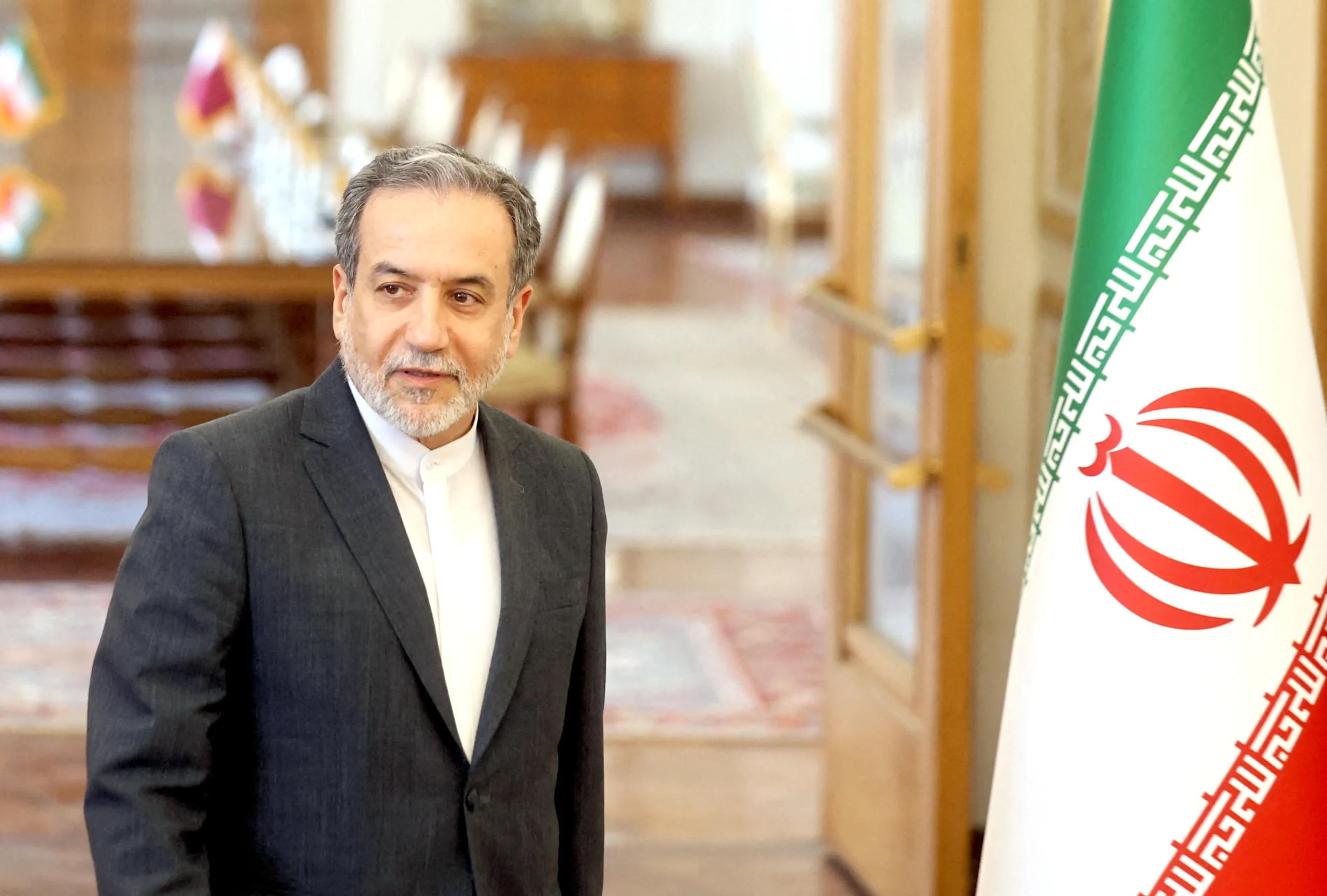
Iran’s Foreign Minister Abbas Araghchi Heads to Moscow to Meet Vladimir Putin
12 sources compared

Iran and U.S. Enter Awkward Limbo After Trump Cancels Iran Peace Talks
18 sources compared