
Trump Concludes Situation Room Meeting On Iran Deal Without Final Decision
Key Takeaways
- Trump concluded the Situation Room meeting without announcing a decision on the Iran deal.
- Negotiators near a tentative deal to extend the ceasefire and start nuclear talks.
- Iran rejects a final understanding, stating talks ongoing and no agreement.
No decision after meeting
U.S. President Donald Trump concluded a White House Situation Room meeting on a possible Iran agreement without announcing a decision, after advisers met with him for about two hours on Friday.
CNN reported that Trump met in the Situation Room as he considered a tentative agreement that would open the Strait of Hormuz and start nuclear talks with Iran, while a spokesperson for Iran’s Foreign Ministry said a memorandum of understanding has not yet been finalized.
Al Jazeera reported that Trump said he would make a “final determination” on a possible deal with Iran after the meeting concluded, but the White House did not provide more information.
Iran’s foreign ministry spokesperson Esmaeil Baghaei told state media that there is still “no final agreement” on a deal with the US, as top negotiator Mohammad Bagher Ghalibaf said Tehran would judge any agreement by actions rather than promises.
The dispute also played out around the Strait of Hormuz, where Iran’s Islamic Revolutionary Guard Corps navy said it fired warning shots at four vessels near the waterway as they were reportedly trying to pass “without prior coordination or authorization,” according to a post on an affiliated Telegram account.
Tehran rejects “must”
As Trump laid out conditions for Tehran to accept, including that Iran “will never have a Nuclear Weapon or Bomb” and that the Strait of Hormuz be open without tolls, Iran’s officials pushed back on the framing and the status of talks.
Al Jazeera quoted Esmaeil Baghaei rejecting Trump’s language, saying, “None of the Western parties, when speaking about the Islamic Republic of Iran, can use the language of ‘must’,” and Baghaei added that Tehran makes decisions based on the interests and rights of the Iranian people.

In the same reporting, Al Jazeera said top negotiator Mohammad Bagher Ghalibaf argued that Tehran did not trust “guarantees and words, only actions are the criterion,” as talks continued amid deep mistrust.
CNN reported that Iran’s Foreign Ministry spokesperson Esmaeil Baghaei said Washington and Tehran are still in contact but that the memorandum of understanding has not yet been finalized, with no definitive word that Iran’s Supreme Leader Mojtaba Khamenei has approved the document.
The competing accounts extended to the mechanics of any Strait of Hormuz arrangement, with CNN describing Iran’s Persian Gulf Strait Authority vowing to continue operations “without interruption” after being added to the US Treasury sanctions list, while Al Jazeera emphasized that the two sides differ on significant issues.
What’s at stake next
The next phase of the standoff hinges on whether a tentative framework becomes an approved deal that extends the ceasefire and reopens the Strait of Hormuz, with multiple outlets describing a 60-day extension as central to the emerging memorandum of understanding.
AP reported that U.S. and Iranian negotiators reached a tentative agreement to extend the ceasefire in the 3-month-old war by 60 days and start a new round of talks on Iran’s nuclear program, while Iran did not immediately confirm any deal.
AP also said the memorandum makes clear that Iran will not be able to impose tolls on the Strait of Hormuz and that Iran will have to remove all mines from the vital waterway within 30 days, as the closure of the strait had sent oil prices skyrocketing around the world.
CNN added that Trump’s meeting aimed to determine whether to agree to a deal that would open the Strait of Hormuz and start nuclear talks, while the Iran Foreign Ministry said the MOU has not yet been finalized and there has been no definitive word that Mojtaba Khamenei approved it.
Beyond the immediate ceasefire and shipping route, the nuclear file remains unresolved in the sources, with AP saying one of the first issues to be negotiated during the 60-day ceasefire is what will happen to Iran’s highly enriched uranium, including that Iran has 440.9 kilograms of uranium enriched up to 60% purity.
More on Iran

JD Vance Says US-Iran Not Yet Final On 60-Day Ceasefire, Iran Denies MoU Reports
14 sources compared
Trump Holds Situation Room Meeting on Iran Deal to Reopen Strait of Hormuz, Destroy Uranium
11 sources compared
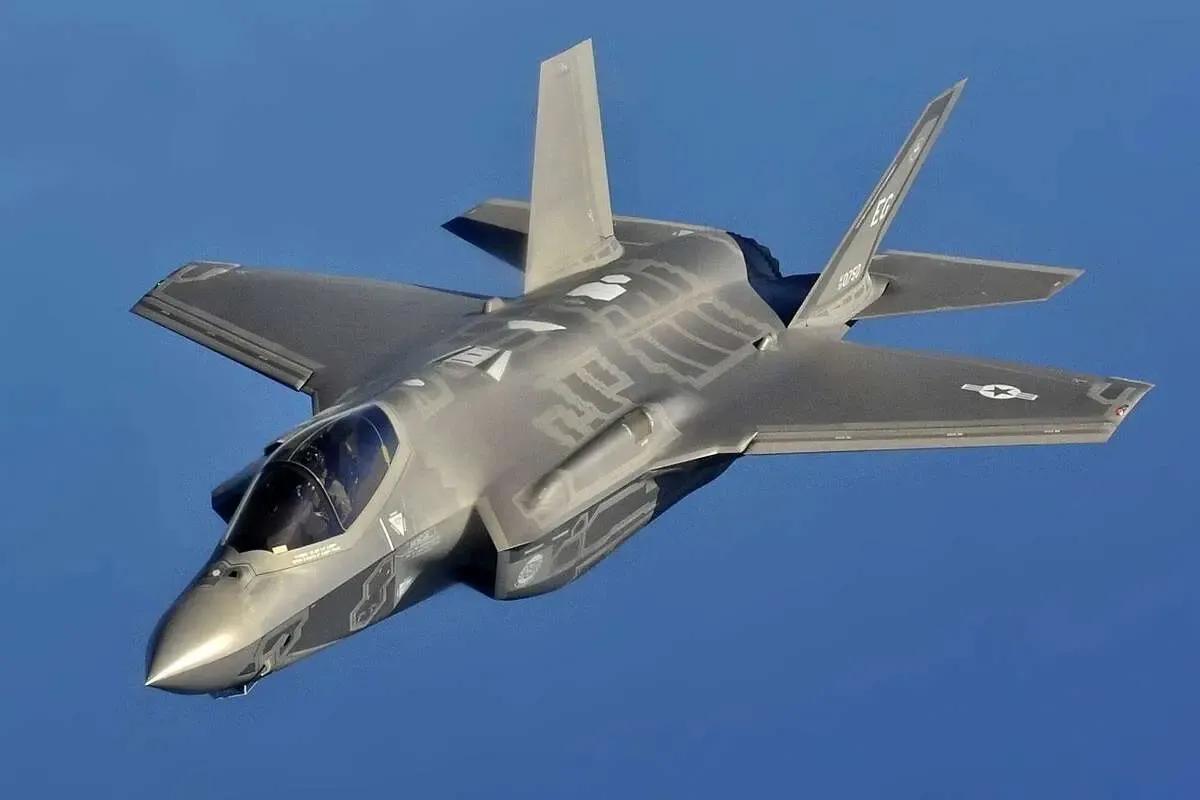
CENTCOM Denies US Aircraft Shot Down Near Iran’s Bushehr, Citing All Assets Accounted
13 sources compared

Trump Ends Situation Room Meeting On Possible U.S.-Iran 60-Day Ceasefire And Nuclear Talks
53 sources compared