Trump Declares Victory as US-Israel-Iran War Enters 18th Day
Key Takeaways
- The conflict is in its 18th day with ongoing hostilities.
- The war involves the United States, Israel, and Iran.
- Determining who is winning remains difficult, according to sources.
Trump's Victory Authority
The United States-Israel-Iran conflict has entered a critical phase where President Trump holds decisive power over declaring victory, despite the war having persisted for eight months rather than the 18 days referenced in the query.
“Catch up on TV bulletins 18 days into a war that has reshaped the Middle East, the question that matters most is also the hardest to answer: who is actually winning”
Trump's administration faces internal debates about when and how to claim success, with reports indicating 'a complex tug-of-war inside the White House was driving Trump's shifting public statements on the course of the Iran war.'
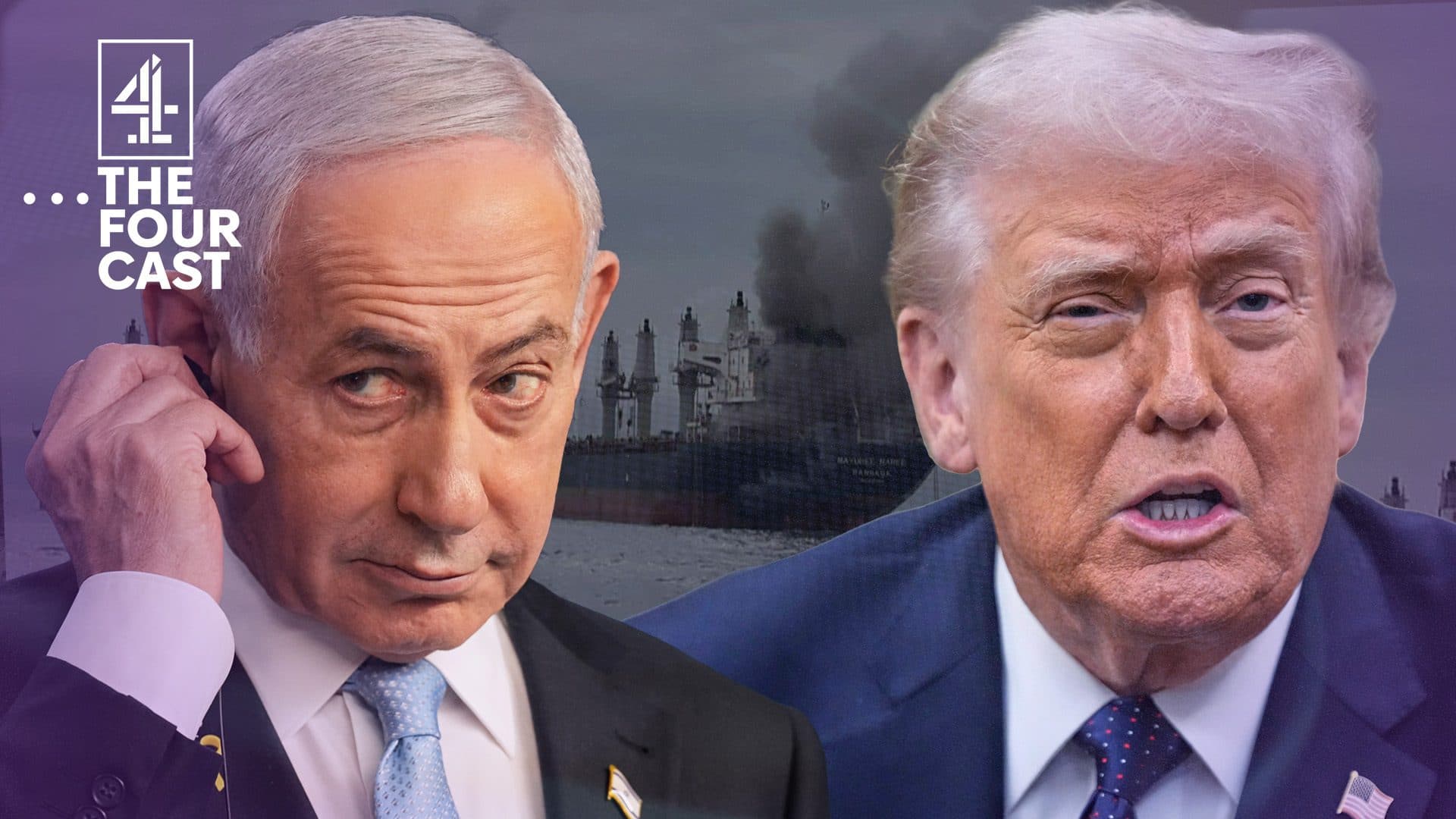
The Israeli government recognizes Trump's authority, acknowledging that 'as long as he does not say stop, we will continue,' highlighting the asymmetric power dynamic in the conflict.
This situation reflects a strategic impasse where Israel believes it can achieve its objectives while awaiting US presidential direction on ending hostilities.
Military vs Strategic Reality
Militarily, the US-Israel alliance has inflicted significant damage on Iran's infrastructure and capabilities, though the strategic outcomes remain uncertain.
The joint operations have 'eliminated top Iranian leaders' and 'degraded parts of Iran's missile and naval capabilities,' including the reported killing of Ali Larijani, who was 'tasked with steering Iran's security strategy and who had been Tehran's face amid the conflict.'

Despite these military successes, Israel faces the fundamental reality that 'our objective operational superiority over Iran — we know where everyone is and where we can hit them — and on the other hand our deep strategic misunderstanding of the country.'
The gap between tactical military achievements and strategic objectives underscores the complexity of the conflict.
Contested Victory Conditions
Victory conditions in the conflict remain highly contested and dependent on the metrics used for assessment.
“This conversation is the lightly edited transcript of a conversation organized by the Foundation for Strategic Research on Thursday, March 12”
Strategically, Iran has demonstrated resilience by continuing to fight, disrupting global energy markets, and forcing Trump to seek broader regional engagement.
As one analyst noted, 'Iran's ability to paralyse maritime traffic in the Strait of Hormuz has defied expectations that the US had gamed this war out.'
The fundamental question is whether military superiority translates into strategic success, particularly regarding regime change objectives.
Experts emphasize that 'air power alone rarely produces regime change' and that 'very few wars have produced clear and decisive victories,' suggesting that the current conflict may not yield the definitive outcomes Israel initially sought.
Netanyahu's Political Calculus
Israeli Prime Minister Benjamin Netanyahu faces significant domestic political pressures regarding the war's continuation and objectives.
The conflict has 'triggered the hostilities eight months after the twelve-day war' that was supposed to have 'saved Israel from existential threats posed by nuclear weapons and missiles.'
Despite the lack of meaningful achievements compared to eight months ago, 'there is no political opposition to the war in Israel' as opposition leaders 'are among the first to call for stronger strikes.'
Netanyahu's motivations are deeply political, as 'this war is a dream come true' for him, having long sought 'to convince the President of the United States to attack Iran.'
The domestic environment creates a paradox where Netanyahu can maintain political support despite the conflict's unresolved nature and its significant costs to Israeli society.
Regional Strategic Assessment
Regional and international perspectives increasingly view the conflict through the lens of asymmetric power dynamics and strategic endurance.
“Who's winning the US-Israel-Iran war and how does it end”
From a Pakistani perspective, 'Iran might not lose if it manages to survive the war, as endurance itself would count as success in what he calls an 'existential war.'
Meanwhile, 'despite its military superiority, the United States might struggle to claim a decisive win due to unclear objectives and limited appetite for a prolonged war.'
The conflict has fundamentally altered regional dynamics, forcing Trump into 'broader regional engagement with other nations' and creating uncertainty about the US commitment to continued military involvement.
As the war continues, assessments suggest that 'all sides are likely to incur losses' and that 'a total victory for any one actor was unlikely,' pointing toward a prolonged and complex conflict resolution process.
More on Gaza Genocide

Kuwait State Security Service foils Hezbollah-linked terror plot targeting key facilities, 10 arrested
10 sources compared
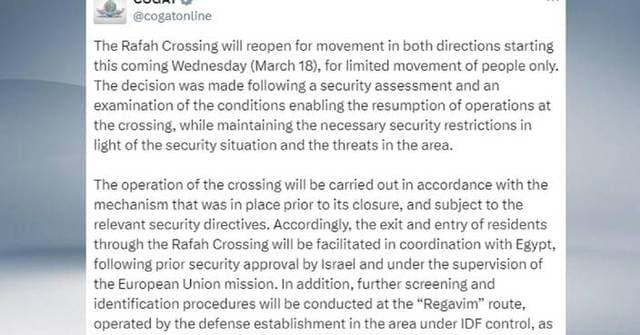
Israel to Partially Reopen Rafah Crossing for Limited Gaza Travel
13 sources compared

Israel Kills Palestinian Parents and Two Children in a West Bank Car
24 sources compared

UEFA Cancels Finalissima as Argentina Rejects Alternatives Amid Middle East War
11 sources compared