Trump Defends Iran War by Citing Pearl Harbor
Key Takeaways
- Trump cited Pearl Harbor to defend secrecy before launching Iran attack in Oval Office meeting.
- Japan expressed unease and embarrassment over his Pearl Harbor remark defending the Iran war.
- When asked why allies weren't warned, Trump invoked Pearl Harbor in his defense.
Pearl Harbor Defense
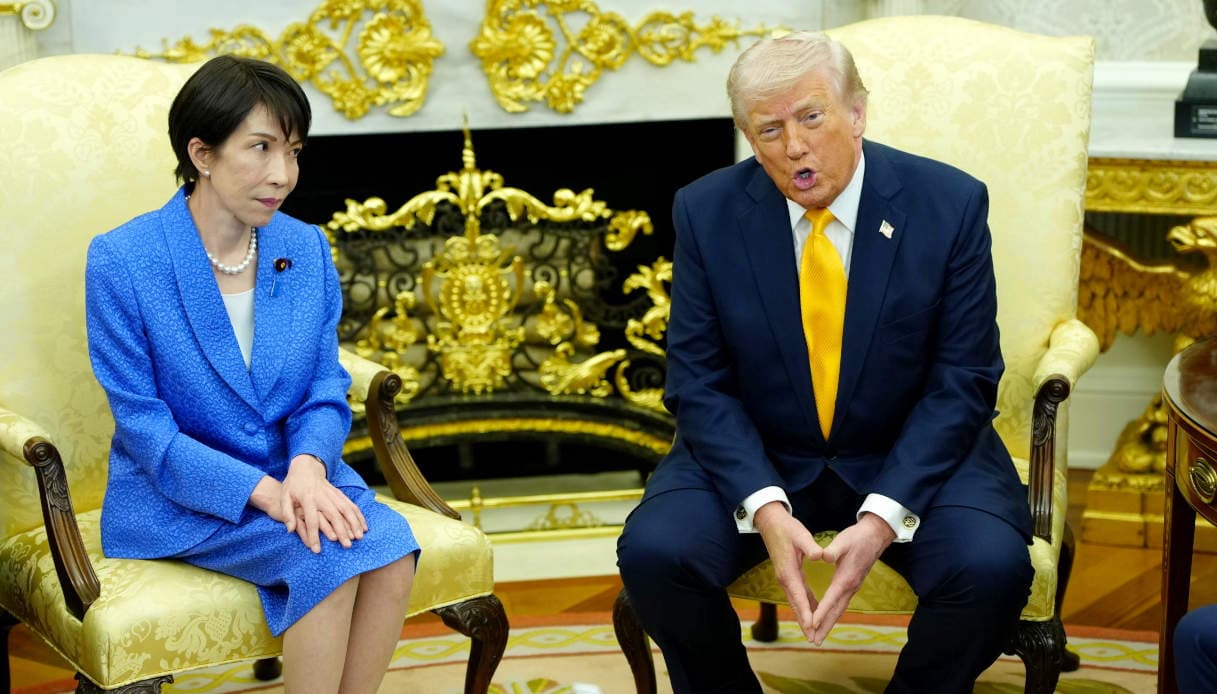
During a White House press conference with Japanese Prime Minister Sanae Takaichi, U.S. President Donald Trump defended his decision to launch surprise attacks on Iran without informing allies by invoking the historical Pearl Harbor attack.
“ROME – 'We didn't tell anyone anything because we wanted the element of surprise”
When asked by a Japanese reporter why he did not coordinate with allies before the February 28 strikes on Iran, Trump replied: 'Who knows better about surprise than Japan? Why didn't you tell me about Pearl Harbor, OK?'
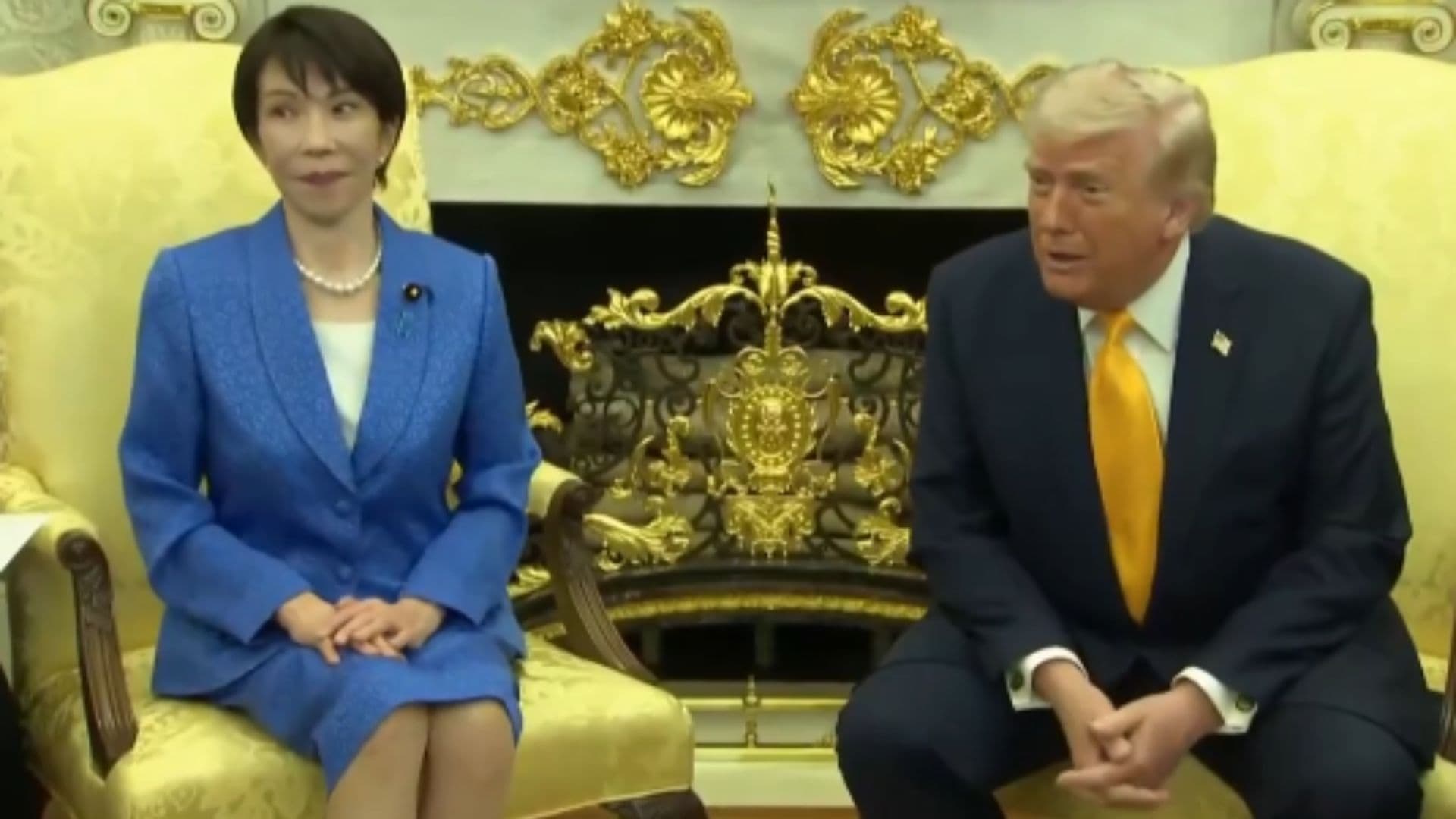
The comment drew immediate criticism and embarrassment, with observers noting the historical insensitivity of comparing a 1941 Japanese military attack that killed over 2,300 Americans to contemporary U.S. military operations.
The remark came as Trump was defending his administration's 'Operation Epic Fury' against Iran, which included airstrikes on nuclear facilities and threatened military escalation including potential ground operations against Kharg Island, through which 90% of Iran's oil exports flow.
Japanese Response
Trump's comments triggered a range of reactions in Japan, from criticism of historical insensitivity to analysis of diplomatic strategy.
Social media reaction ranged from accusations of ignorance and rudeness to claims that Trump does not see Japan as an equal partner, with some calling for Japan to protest the remarks.

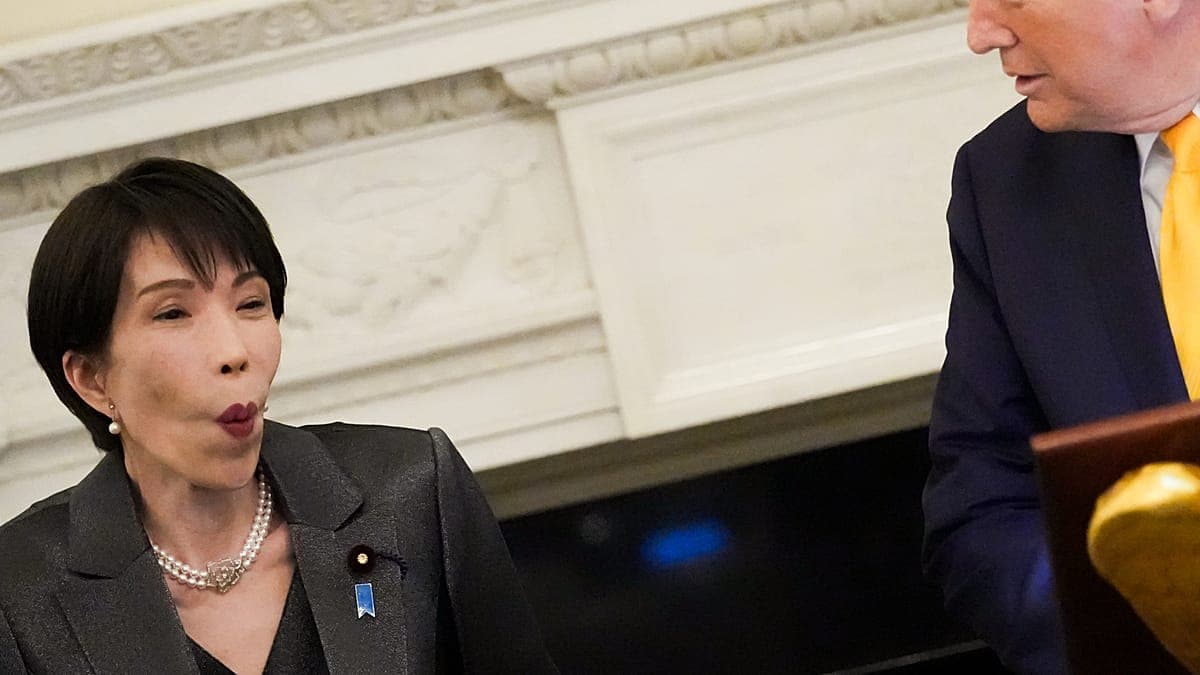
Japanese Prime Minister Sanae Takaichi, a hardline conservative, responded with visible discomfort but ultimately chose not to confront Trump directly, instead letting the comments pass with a roll of her eyes and a glance at her ministers.
Some observers praised her restraint, noting that her goal was to deepen ties with the U.S. rather than debate World War II history, while others criticized her for not speaking up and accused her of flattering Trump.
Hitoshi Tanaka, a former diplomat and special adviser at the Japan Research Institute think tank, wrote on X that he felt embarrassed to see Takaichi's approach, stating: 'As national leaders, they are equals ... To make an equal relationship is not to flatter.'
Historical Context
The historical significance of the Pearl Harbor reference reveals the lasting tensions between the United States and Japan, even more than 80 years after the attack.
“President Donald Trump was pressed in the Oval Office why he did not coordinate or inform allies, such as Japan, that he was planning on striking Iran”
Pearl Harbor represents a traumatic event that brought the United States into World War II and ultimately led to the atomic bombings of Hiroshima and Nagasaki, which left Japan as the only nation to have suffered nuclear holocaust.
Historian Emily Rosenberg notes that even after more than eighty years, Pearl Harbor represents a vulnerability that the United States no longer wants to show.
The attack exacerbated anti-Asian sentiments, especially anti-Japanese ones, and remains a source of tension between the two nations.
Experts point out that there is a tendency between Japan and the United States not to openly discuss the topic, even during symbolic gestures like Barack Obama's 2016 visit to Hiroshima, which did not translate into an official apology from either side for wartime actions.
Strategic Implications
Trump's Pearl Harbor comparison reflects a broader strategic worldview that emphasizes speed, surprise, and overwhelming force in military operations.
Newsweek analysis suggests that Trump's emphasis on striking first and striking hard underscores a belief in the strategic value of decisive action, viewing conflicts as matters to be resolved through overwhelming rather than prolonged engagement.
This approach represents less of a break from past policy than a continuation of long-standing instincts about military strategy.
The context of Trump's remarks is particularly significant because whereas Pearl Harbor occurred during diplomatic discussions that were interrupted by a Japanese attack, the current situation presents the United States as the aggressor wearing the 'garb of the attacker' against Iran.
Axios reports that Trump has threatened to take Kharg Island and is reviewing options that include ground operations, while the U.S. has started sending thousands of Marines to the Gulf region, though Trump has stated he is not putting troops 'on the ground' despite leaving open the possibility of doing so.
US-Japan Relations
The incident highlights the complex and often delicate nature of U.S.-Japan relations, particularly in the context of evolving military cooperation and constitutional constraints.
“La prima ministra Sanae Takaichi ha incontrato il presidente Donald Trump alla Casa Bianca giovedì 19 marzo 2026 per riaffermare l’alleanza tra Stati Uniti e Giappone”
Both nations depend heavily on each other strategically, with Washington relying on Japan to host 50,000 troops and an array of powerful hi-tech weapons, while Japan depends on the U.S. nuclear umbrella to deter hostile, nuclear-armed neighbors.

However, Japan's post-World War II constitution bans the use of force except for self-defense, creating tension as Takaichi and other officials seek to expand the military's role.
This situation is further complicated by the fact that Takaichi arrived in Washington shortly after Trump suggested Japan was among nations that did not quickly join his call to help protect the Strait of Hormuz.
The Japanese reporter who asked the question that prompted Trump's Pearl Harbor comment, Morio Chijiiwa with TV Asahi, later explained that he asked it to represent the feelings of Japanese citizens unhappy about Trump's 'one-sided attack on Iran,' and because other countries are now being asked to help out after the U.S. and Israel started the war.
More on Iran
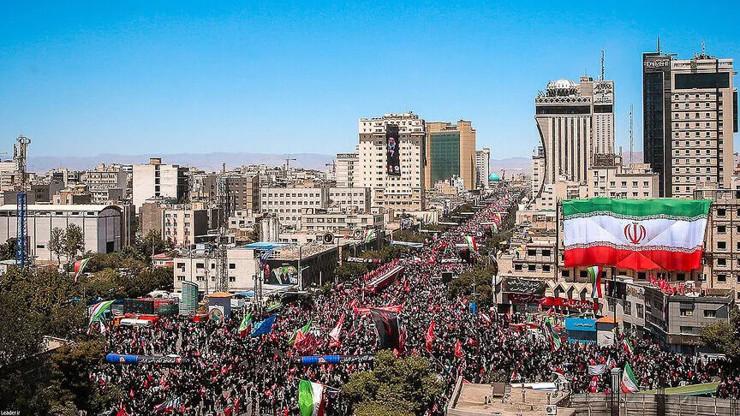
Israeli Strike Kills Ayatollah Ali Khamenei, Buried at Imam Reza Shrine in Mashhad
19 sources compared
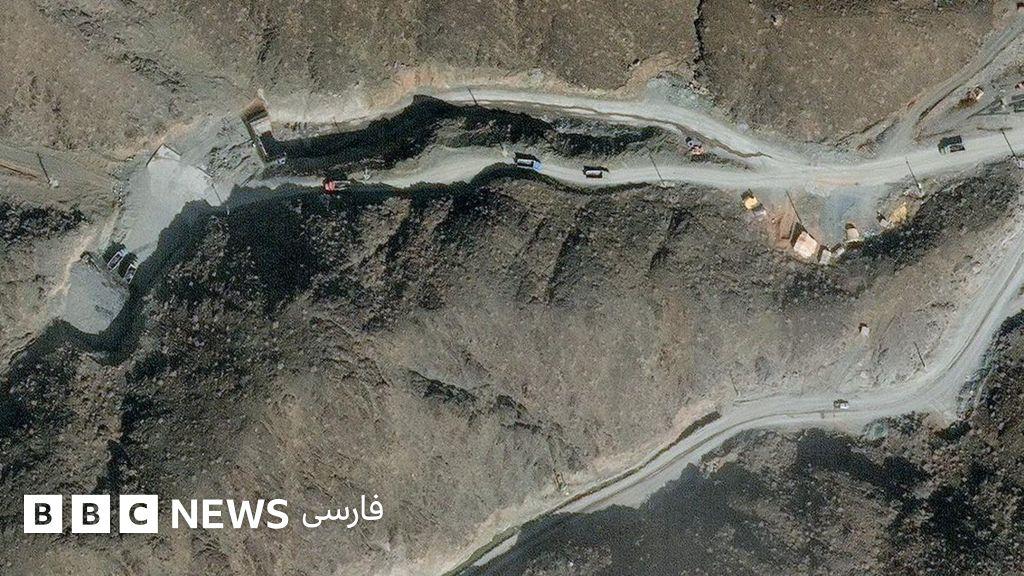
Iran Attempts To Restore Nuclear Sites Damaged In US And Israel Strikes, CNN Satellite Images Show
15 sources compared
Abbas Araghchi and Prince Faisal Bin Farhan Discuss Regional Developments After US Attacks
11 sources compared

Trump Says U.S. Agreed to Continue Iran Talks, Ceasefire Is Over
19 sources compared