
Trump demands seven nations send warships to Strait of Hormuz.
Key Takeaways
- Trump urged about seven nations to join a coalition policing Strait of Hormuz.
- Allies signaled hesitancy or non-commitment, with several nations undecided.
- Global oil prices rose above $100 per barrel.
Trump's Coalition Demand
President Donald Trump has demanded that approximately seven countries heavily reliant on Middle East oil join a coalition to police the Strait of Hormuz.
Speaking to reporters aboard Air Force One, Trump stated he has 'demanded that these countries come in and protect their own territory,'

arguing that many nations benefit far more from oil shipments passing through the strait than the United States does.
The administration has identified key economic powers including China, France, Japan, South Korea, and the United Kingdom as potential participants,
though Trump declined to specify which seven countries they are negotiating with for protection of the strategic passage.
Strategic Importance & Iranian Response
The strategic importance of the Strait of Hormuz, through which about one-fifth of the world's traded oil flows, has been amplified by Iran's effective closure of the waterway.
Iranian officials have declared the strait 'under control' rather than militarily closed, with Foreign Minister Abbas Araghchi stating Tehran has been 'approached by a number of countries' seeking safe passage.
Such decisions are 'up to our military to decide,' according to the Iranian foreign minister.
Iran has allowed passage to vessels from some countries including India and Turkey while restricting access to U.S. and allied ships.
This has created a complex international shipping dilemma that has dramatically increased global oil prices to around $100-106 per barrel.
Allied Reluctance
Despite Trump's urgent appeals, key countries have shown significant reluctance to commit military assets to the potentially dangerous mission.
Japan has definitively stated it is 'not considering' maritime security operations, while Australia has declared 'We won't be sending a ship to the Strait of Hormuz.'
South Korea has indicated it will 'closely coordinate and carefully review' the situation but has made no commitments.
European nations have been equally cautious, with France working on a possible international mission that can only proceed when 'the circumstances permit' and fighting subsides.
Even Britain, despite discussions with Trump, has been hesitant to dispatch warships, with Trump noting that Starmer had 'initially declined to send British aircraft carriers into harm's way.'
Escalation & Threats
Trump has intensified pressure on both allies and adversaries by threatening military escalation and diplomatic consequences.
In a Truth Social post, the president vowed that 'in the meantime, the United States will be bombing the hell out of the shoreline, and continually shooting Iranian Boats and Ships out of the water,'
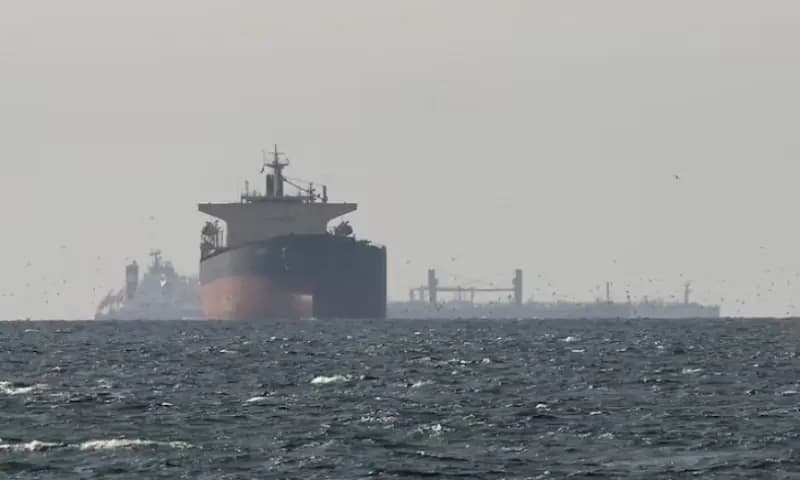
promising to get the strait 'OPEN, SAFE, and FREE!'
He has also warned of a 'very bad future for NATO' if member nations fail to assist the United States,
while threatening to delay his upcoming meeting with Chinese President Xi Jinping if Beijing does not help secure the waterway.
The administration claims to have destroyed '100% of Iran's Military capability,' yet acknowledges that Iran could still 'send a drone or two, drop a mine, or deliver a close range missile' along the waterway.
Coalition Plans & Risks
The Trump administration plans to announce as early as this week that multiple countries have agreed to form a coalition to escort ships through the narrow waterway,
though officials are still discussing whether those operations would begin before or after hostilities end.

The Wall Street Journal reported that potential participants are debating the timing of such missions, with U.S. Energy Secretary Chris Wright indicating that while escorts will begin 'as soon as it is militarily possible,'
they cannot happen immediately.
Treasury Secretary Scott Bessent has speculated that an 'international coalition' escorting oil tankers through the strait would have a 'big effect',
but military experts warn that protecting shipping in the Strait would be exceptionally dangerous due to its narrow geography and Iran's asymmetric capabilities.
More on Iran
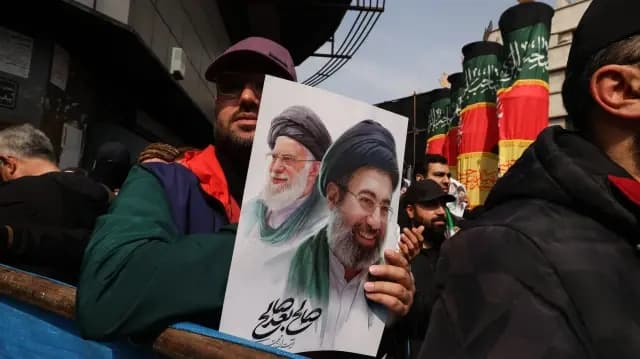
Russia Secretly Airlifts Iran's Supreme Leader Mojtaba Khamenei to Moscow for Surgery
11 sources compared
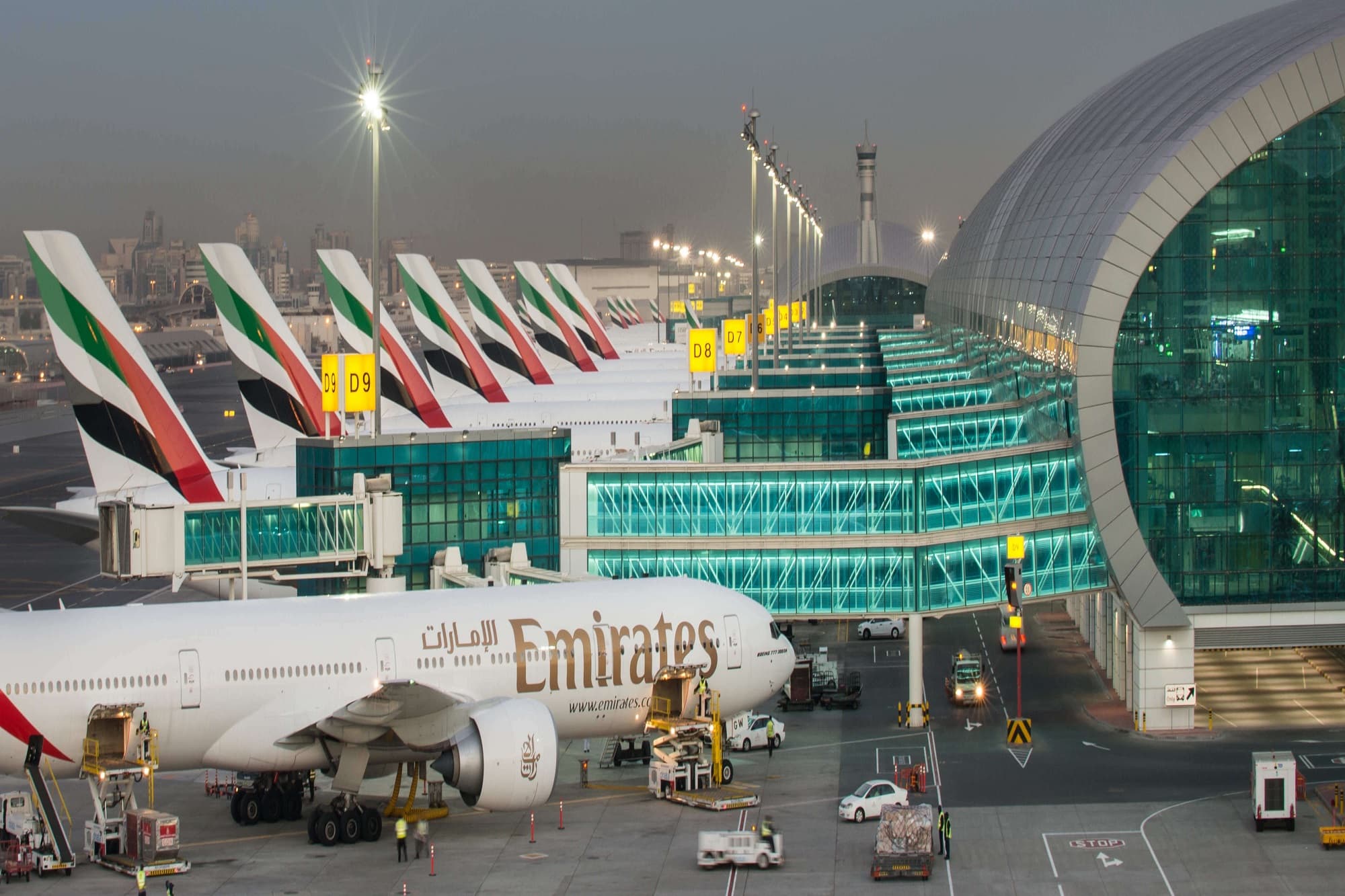
Iranian Drone Strike Shuts Dubai International Airport, Thousands Stranded
25 sources compared

Iran Drone Strike Shuts Dubai International Airport, Triggers Global Travel Disruption
16 sources compared

Iran's New Supreme Leader Mojtaba Khamenei Travels to Moscow for Leg Surgery
15 sources compared